
Review · JEITA GROTTO TOURS
Small-Group Tour with Lunch to Jeita Grotto, Byblos and Harissa
Lebanon packs wonder into one busy day. This small-group tour from Beirut links the country’s most famous cave, a hilltop Marian shrine, and one of the Mediterranean’s oldest cities, with hotel pickup, lunch, transport, and several admission fees covered. It is a useful way to see a wide stretch of the coast without arranging separate taxis or guides.
I especially like the variety of the stops: Jeita Grotto gives you a spectacular natural sight, while Byblos supplies archaeology, a Crusader castle, an old souk, and an ancient harbor. I also like the capped group size of 15, which should feel more personal than a large coach outing. The main drawback is the pace. Eight hours covers a lot of ground, so Byblos is more an excellent introduction than a slow, thorough archaeological visit.
In This Review
- Key points to know before booking
- Why this day trip works from Beirut
- Entering the limestone world of Jeita Grotto
- Looking across Jounieh from Our Lady of Lebanon
- Harissa churches and the Téléférique option
- Byblos brings the ancient coast to life
- Climbing Byblos Castle
- Old souk, port, and the Lebanese lunch
- What the small group and transport mean
- The pace, timing, and practical tradeoffs
- Who should book this Lebanon day tour?
- Should you book it?
- FAQ
- How long does the tour last?
- What time does the tour start?
- Is hotel pickup included?
- Is transportation provided?
- Is lunch included?
- Are admission tickets included?
- How large is the group?
- Is the tour conducted in English?
- How much time is spent at Jeita Grotto?
- Can I cancel for a full refund?
Key points to know before booking
- Jeita Grotto takes center stage: Allow about 90 minutes for the vast limestone cave system and its remarkable mineral formations.
- Lunch faces the sea: The meal is Lebanese, and one account specifically praised sitting at a restaurant with a sea view.
- The group is limited to 15 people: That is a sensible size for a full day with several stops.
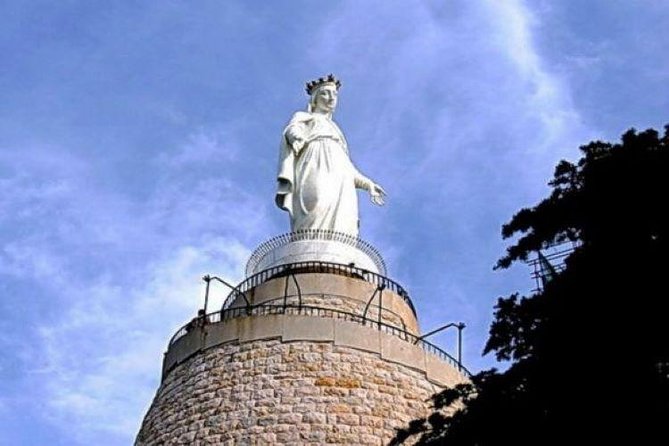
- Harissa offers the big view: The 15-ton bronze statue of Our Lady of Lebanon looks across the Bay of Jounieh toward Beirut.
- The cable car costs extra: The Téléférique stop is included in the route, but its ticket is not included in the tour price.
- A professional driver matters: Ziad was specifically praised for handling difficult road conditions and blocked routes with care.
Why this day trip works from Beirut
At $60 per person, this tour offers solid value if you want the main sights north of Beirut in one outing. You receive hotel transfers, an air-conditioned vehicle, a tour leader, a professional guide, lunch, and admission to the historical sites listed as included.
Booking separately would mean arranging transport to Jeita, Harissa, and Byblos, then sorting out tickets and lunch along the way. The tour also removes the need to negotiate several rides in a day. That convenience is its main value.
The tradeoff is control. You will follow a set schedule rather than choose how long to spend at the castle, harbor, or souk. If you are fascinated by Phoenician archaeology, you may want far more time in Byblos than this tour allows.
Pickup begins around 8:30 am, and the full experience lasts about eight hours. Hotel pickup and drop-off are provided, which is especially helpful in Beirut, where a day involving three separate destinations can otherwise become a transport puzzle.
Other ways to see the Jeita caves:
- Guided Small-Group Tour to Jeita, Harissa, Byblos with Lunch
★ 5.0 · 361 reviews - Jeita Grotto – Harissa – Byblos Trip
★ 5.0 · 169 reviews - Byblos, Jeita Grotto & Harissa Day Trip -With Lunch (4G on Board)
★ 4.5 · 145 reviews
Entering the limestone world of Jeita Grotto
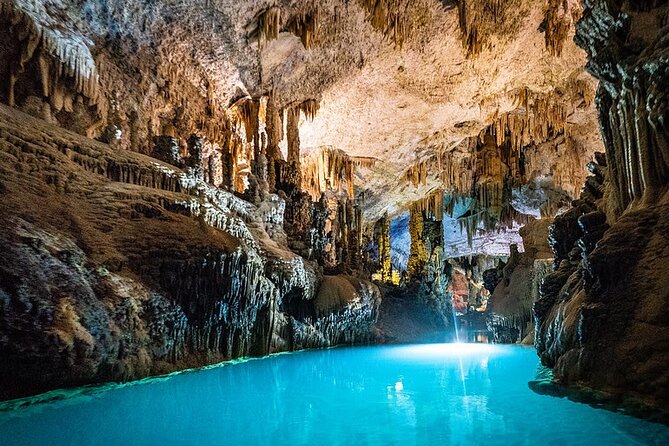
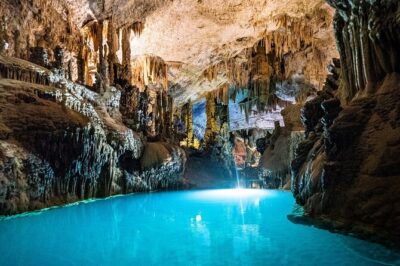
Jeita Grotto is the day’s most unusual stop. It is a two-level karst limestone cave system formed over millions of years, with the upper cave and lower gallery connected as part of one enormous underground complex.
The upper cave reaches about 2,130 meters in total length. Inside, you can expect the features that make cave visits memorable: stalactites hanging from the roof, stalagmites rising from the floor, tall columns, curtains, draperies, mushroom-shaped formations, ponds, and other crystallized shapes.
The lower gallery extends about 6,200 meters and lies roughly 60 meters below the upper cave. An underground river and lake run through this section. The information provided for the tour describes a smooth underwater river, so the lower level is part of what makes Jeita more than a simple walk through a decorated cavern.
You have about 90 minutes here, including admission. That is enough to appreciate the scale and unusual formations, but not enough for a leisurely study of every chamber. Wear shoes suitable for walking and expect the cave to be a sensory change from the bright coast outside.
Jeita sits about 300 meters above sea level, with a height difference of 305 meters across the cave system. Those figures help explain why the site feels so extensive. This is not a tiny tourist cave with one illuminated room. It is a major natural complex, and the time allowed gives you a strong first look without letting the stop swallow the day.
One practical point matters: cave operations can change. The experience was once closed for two weeks for maintenance, and a visit took place just before that closure. Confirm the current operating status close to your departure date if Jeita is the main reason you are booking.
Looking across Jounieh from Our Lady of Lebanon
The next stop shifts from geology to faith and scenery. The Shrine of Our Lady of Lebanon sits in Harissa above Jounieh and is one of Lebanon’s major Christian pilgrimage sites.
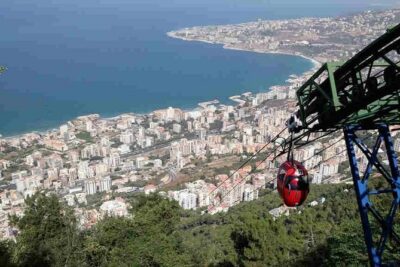
The focal point is a huge bronze statue of the Virgin Mary, also called Our Lady of Lebanon or Notre Dame du Liban. It weighs 15 tons, rises 8.5 meters high, and has a diameter of five meters. Her arms stretch toward Beirut, with the Bay of Jounieh and the surrounding city spread below.
You have about 30 minutes at the shrine. That is a short visit, but it should give you time to see the statue, take in the panoramic view, and understand why Harissa draws both pilgrims and sightseers.
The view is the real reward for many people. Harissa provides a high vantage point over Jounieh and the bay, while the shrine gives the stop a strong cultural and religious identity. You do not need to be religious to appreciate the site, but respectful behavior is important.
A nearby cathedral of concrete and glass adds to the scale of the pilgrimage complex. The statue’s base contains a small chapel, and the surrounding area includes churches from several Christian denominations. The Byzantine-style Melkite Greek Catholic Basilica of St. Paul is one of the nearby buildings.
Harissa churches and the Téléférique option
The churches of Harissa receive a short 15-minute visit. This part of the day is best treated as a quick orientation rather than a full church tour. You can see the religious setting around the statue and the cathedral, but the schedule does not leave much room for lingering.
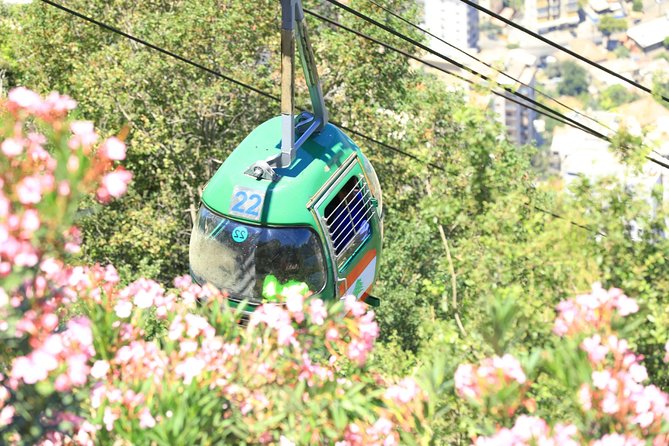
The route also includes about 20 minutes at the Téléférique Harissa cable car. This gondola system carries passengers from Jounieh up the steep, pine-covered mountain to an altitude of about 650 meters near the shrine.
The ride offers a different way to see the Bay of Jounieh and the city below. It is one of Lebanon’s oldest and most visited tourist attractions, and it adds a little motion to a day otherwise spent walking and riding in a vehicle.
There is one clear cost issue: the cable car ticket is not included. Admission is listed as not included even though the stop itself is part of the route. Bring extra money if you want to ride, and understand that the exact use of the Téléférique may depend on the day’s timing and operating conditions.
The tour’s attraction here is the combination of shrine, churches, cable car, and view. The weakness is time. With only 15 minutes at the churches and about 20 minutes for the cable car stop, you should not expect a detailed religious tour or a long ride with time to explore both stations.
Other trips down to the old harbour at Byblos:
- Semi-Private Tour to Jeita Grotto, Harissa & Byblos with Lunch
★ 5.0 · 52 reviews - Small Group Tour to Jeita Grotto, Harisa & Byblos with Hotel pickup
★ 5.0 · 49 reviews - Private Guided Tour to Jeita Grotto through Harissa and Byblos
★ 5.0 · 48 reviews - New Guided Semi-Private Tour to Jeita Grotto, Harissa & Byblos
★ 5.0 · 47 reviews
Byblos brings the ancient coast to life
Byblos is the day’s main historic town. It is one of the oldest Phoenician cities and has been inhabited since Neolithic times. The city is closely tied to Mediterranean history and to the spread of the Phoenician alphabet.
That connection gives Byblos more substance than a pretty old port. You are seeing a place linked to early trade, writing, seafaring, and settlement over thousands of years. The tour allows about two hours in Byblos, including the castle and the nearby old town sights.
The town is compact enough for a useful introduction on foot. You can walk through the old souk, see the port, and visit the archaeological area without needing another vehicle between each stop. For a first visit, that arrangement makes sense.
Still, two hours passes quickly. Byblos contains several layers of history, and a visitor who likes archaeology could easily spend much longer studying the remains. You will get the broad picture here, but you may need a separate return visit for a slower look.
Climbing Byblos Castle
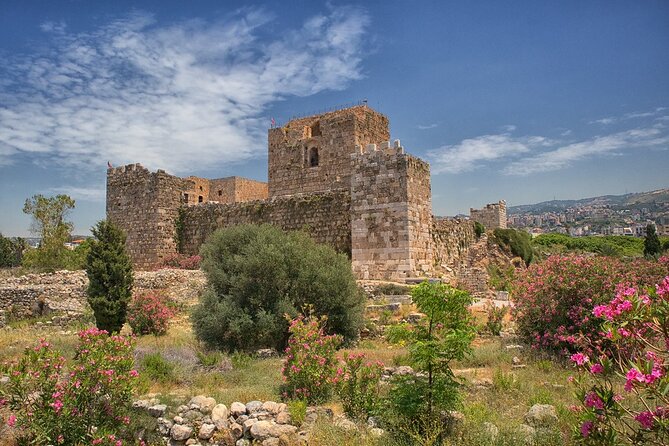
Byblos Castle is a restored 12th-century Crusader fortress inside the archaeological site. A dry moat about 10 meters wide surrounds it, giving the building a clear defensive character.
The castle’s square keep is the best place to understand the site. From the top, you can look over the archaeological remains, including the ruins of the Temple of Baalat Gebal and the Temple of the Obelisks. Bronze Age dwellings are visible below the walls in the direction of the sea.
Inside, a small museum and information panels explain the city’s long development. This is where the tour’s guide can add real value. A good explanation helps you connect the Phoenician, Bronze Age, and Crusader layers instead of seeing the ruins as disconnected stones.
One hour is allocated to the castle, and admission is included. That makes the castle a strong part of the tour’s value. You are not merely driving past Byblos or taking a photograph at the waterfront. You have time to enter one of the city’s main historic structures and gain a view over the wider archaeological site.
The footing around an old castle and archaeological area may be uneven. The tour information says most people can participate, but it does not provide detailed accessibility information. If stairs or rough surfaces are a concern, ask the provider before booking.
Old souk, port, and the Lebanese lunch
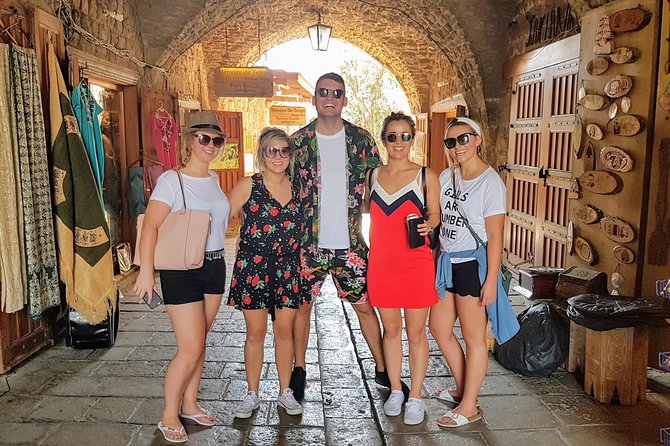
The old souk receives about 10 minutes, so think of it as a brief stroll rather than a serious shopping session. Its cobblestone lanes contain shops selling handicrafts, souvenirs, and antiques, along with older architectural details.
You may find something worth buying, but the short timing means you should not plan a long search for a special piece. Keep your shopping focused. A quick look at the souk is enough to add everyday texture to the archaeological sites.
The Byblos port gets another 10 minutes. Lebanese tradition identifies it as the oldest port in the world, and around 3000 BC it was an important timber-shipping center for the eastern Mediterranean. The visit is brief, but the harbor helps explain why Byblos mattered. This was a working coastal city tied to trade, not just a collection of ruins.
Lunch is included and is described as authentic Lebanese food. A particularly useful detail is that the meal was enjoyed at a restaurant where the table faced the sea. That setting can turn a practical midday break into one of the most pleasant pauses of the day.
The menu is not specified, so do not book this tour expecting a particular dish. The key benefit is that lunch is already built into the schedule, saving you the trouble of finding a restaurant while moving between stops.
What the small group and transport mean
The maximum group size is 15 people. That is large enough to keep the price down but small enough to make questions and guide commentary practical. It should also make hotel pickup less cumbersome than a full-size coach, though the actual feel of the ride depends on the day’s bookings.
Transport is in an air-conditioned vehicle. That matters during a full day that moves from Beirut to Jeita, Harissa, and Byblos, with walking at each stop. Hotel pickup and drop-off also help if you are unfamiliar with Beirut or do not want to arrange several separate transfers.
The driver and guide can make or break a multi-stop day. Ziad received specific praise for remaining professional during difficult conditions, including roads blocked by barricades and protests. That detail is worth noting because routes and timing can be affected by conditions in Lebanon. A capable local driver is not just a comfort. It can be important to keeping the day workable.
The tour is described as having an English-speaking driver, a tour leader, and professional guides. The supplied information does not clarify exactly when a separate guide joins the group or how much commentary is provided at each site, so ask if detailed historical interpretation is essential to you.
The pace, timing, and practical tradeoffs
This is an ambitious eight-hour schedule. Jeita receives 90 minutes, Harissa and the Téléférique together receive a little over an hour, and Byblos takes the largest share with about two hours plus lunch.
I like this structure for a first visit. You get a broad sense of Lebanon’s natural wonders, religious landmarks, coastal history, and food in one day. You also avoid spending your entire holiday inside Beirut.
I would not choose it if you prefer slow travel. The old souk and port visits are short, and the churches around Harissa are seen quickly. Byblos deserves more than two hours if your main interests are archaeology, Phoenician culture, or photography.
The tour is booked, on average, about 20 days before departure. That suggests planning ahead is sensible, especially if you have a fixed Beirut schedule. Confirmation is provided at booking, and free cancellation is available until 24 hours before the start time. Canceling within 24 hours, or making changes during that period, does not qualify for a refund.
Who should book this Lebanon day tour?
I would recommend it to a first-time visitor who wants the essential sights north of Beirut without managing several transfers. It suits couples, solo visitors, and small groups who value convenience and want a clear introduction to Jeita, Harissa, and Byblos.
It is also a good fit if you want a mix of experiences. You get cave formations, a mountain view, Christian pilgrimage sites, a Crusader castle, Phoenician history, a port, a souk, and Lebanese lunch. Few day trips offer that many different subjects at this price.
Families and older visitors may appreciate the included transport, though the tour information only says most people can participate and does not spell out mobility arrangements. Ask about stairs, cave walking, and cable car access if those details matter to you.
I would hesitate if you want a specialist archaeology tour, long shopping time, or a relaxed day with no fixed clock. Byblos and Jeita both reward patience, while this trip is built around coverage.
Should you book it?
Book this tour if you want strong sightseeing value for $60 and prefer someone else to handle the driving, tickets, lunch, and route planning. Jeita Grotto and Byblos Castle are the main reasons to go, while Harissa supplies the memorable view and a clear sense of Lebanon’s Christian heritage.
Skip it only if you already plan to spend several days around Byblos or want a private itinerary. For most first-time visitors based in Beirut, the small group, included lunch, hotel transfers, and broad range of stops make this a practical and worthwhile day.
FAQ
How long does the tour last?
The tour lasts approximately eight hours.
What time does the tour start?
The stated start time is 8:30 am.
Is hotel pickup included?
Yes. Hotel pickup and drop-off are included.
Is transportation provided?
Yes. Transportation is provided in an air-conditioned vehicle.
Is lunch included?
Yes. An authentic Lebanese lunch is included.
Are admission tickets included?
Admission to Jeita Grotto and Byblos Castle is included. The Téléférique Harissa ticket is not included, while admission to the Shrine of Our Lady of Lebanon, the Harissa churches, Byblos, the old souk, and Byblos Port is listed as free.
How large is the group?
The group can include a maximum of 15 people.
Is the tour conducted in English?
The tour includes an English-speaking driver.
How much time is spent at Jeita Grotto?
The planned visit to Jeita Grotto lasts about one hour and 30 minutes.
Can I cancel for a full refund?
Yes, you can receive a full refund if you cancel at least 24 hours before the experience start time. Cancellations or changes made less than 24 hours before departure are not accepted for a refund.
More Lunch Experiences in Beirut
- Guided Small-Group Tour to Baalbek, Anjar and Ksara with Lunch
★ 5.0 · 511 reviews - Anjar, Baalbek & Ksara Day Trip – With Lunch (4G on Board)
★ 4.5 · 181 reviews - Sidon, Tyre & Maghdouche Day Trip – With Lunch (4G on Board)
★ 4.5 · 44 reviews - Guided Small-Group Tour to Sidon, Tyre & Maghdouche with Lunch
★ 5.0 · 41 reviews
More Harissa Tours
- Jeita Grotto – Harissa – Byblos Tour (All Inclusive)
★ 4.5 · 27 reviews - Lebanon Tour Jeita-Harissa & Byblos w/pickup,lunch,entries +guide
★ 5.0 · 27 reviews - Jeita Grotto, Byblos and Harissa Full-Day Tour from Beirut
★ 5.0 · 23 reviews - Full-Day Private Tour to Jeita Grotto, Harissa and Byblos
★ 5.0 · 20 reviews
Newest Beirut reviews
- Wine Tasting Tour★ 5.0 · 2 reviews
- Journey Through Time: Half-Day Private Tour to Baalbek★ 5.0 · 3 reviews
- Lebanon’s Treasures: Jeita Grotto and Harissa Private Tour★ 5.0 · 2 reviews
- Traveling Spoon Lebanese Mezze Private Online Cooking Class★ 5.0 · 4 reviews
- Wine Tasting and Culture★ 5.0 · 3 reviews
- Small Group Tour to Baalbek, Anjar & Ksara with Hotel pickup★ 5.0 · 2 reviews
- Small Group Tours to Jeita Grotto and Byblos with tickets★ 5.0 · 3 reviews
- Small-Group Tour with Lunch to Baalbek, Anjar and Ksara★ 5.0 · 3 reviews
Jeita Grotto Tours, compared.
Guided Small-Group Tour to Jeita, Harissa, Byblos with Lunch
Read our review →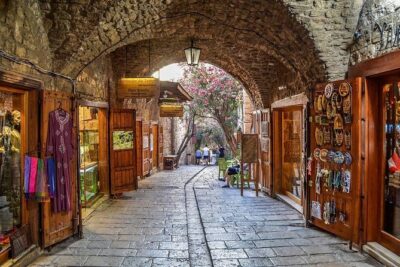
Byblos, Jeita Grotto & Harissa Day Trip -With Lunch (4G on Board)
Read our review →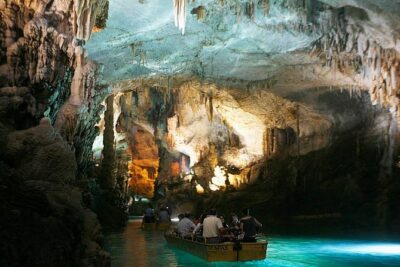
Semi-Private Tour to Jeita Grotto, Harissa & Byblos with Lunch
Read our review →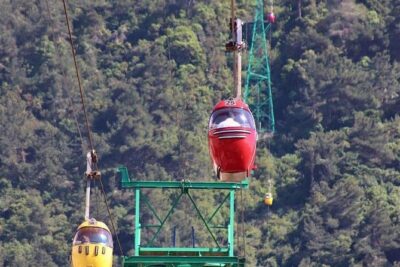
Small Group Tour to Jeita Grotto, Harisa & Byblos with Hotel pickup
Read our review →
Private Guided Tour to Jeita Grotto through Harissa and Byblos
Read our review →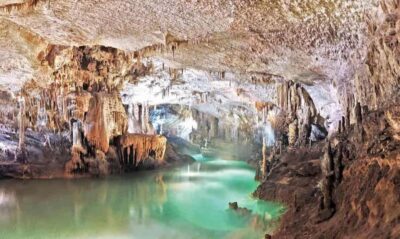
Jeita Grotto, Harissa & Byblos Private Day Tour
Read our review →
Jeita Grotto, Harissa, Byblos group tour & Guide
Read our review →Browse the lists this tour appears in