
Review · BAALBEK & BEKAA VALLEY TOURS
Guided Small-Group Tour to Baalbek, Anjar and Ksara with Lunch
Ancient temples, Islamic ruins, and Lebanese wine make one full day. This nine-hour Bekaa Valley tour takes you from Beirut to Baalbek, Anjar, and Chateau Ksara without the strain of driving yourself. I like the mix of major history and local life, especially the chance to see both Roman and Umayyad sites in one outing. I also like the small-group limit of 15, which gives the guide room to answer questions.
The main thing to consider is the long day on the road and your feet. Baalbek and Anjar involve walking outdoors, and one visitor found the summer heat tiring. Also, the wine tasting may cost extra, and the lunch is generally praised but may not suit everyone’s taste or expectations.
In This Review
- Key points before you book
- Why this Bekaa Valley day works well from Beirut
- Baalbek: Lebanon’s great Roman showpiece
- The Mosque of Sayyida Khawla
- Anjar: an Umayyad city with a street plan
- Lebanese lunch in the middle of the day
- Chateau Ksara and the wine stop
- What the $65 price really covers
- The practical shape of the day
- The strongest part is the guiding
- Who should book this tour?
- Should you book it?
- FAQ
- How long does the tour last?
- What time does the tour start?
- Does the tour include hotel pickup and drop-off?
- What is the maximum group size?
- Is lunch included?
- Are entrance fees included?
- Is wine tasting at Chateau Ksara included?
- Is the tour suitable for most people?
- Can I cancel for a full refund?
Key points before you book
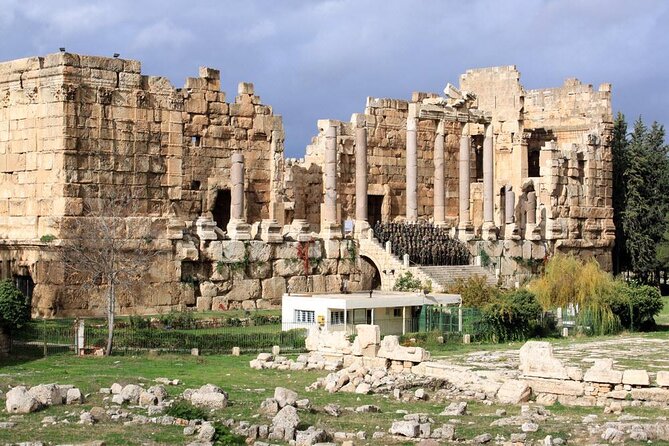
- Baalbek delivers the day’s biggest visual impact: The Temple of Jupiter and Temple of Bacchus offer some of the finest Roman remains in the region.
- Anjar adds a very different chapter: Its orderly Umayyad streets, palace ruins, mosque, and baths show an early Islamic city built with surprising symmetry.
- Archaeologists guide the main ruins: Local site specialists lead visits at Baalbek and Anjar, adding useful detail beyond a quick photo stop.
- Lunch is part of the experience: You sit down to a Lebanese meal at a local restaurant rather than relying on snacks between sites.
- Chateau Ksara changes the pace: After temples and stone walls, the winery offers a gentler final stop and a look at Lebanon’s long wine-making tradition.
- The price is strong for a full day: At $65 per person, hotel transfers, transport, guides, lunch, and the tour leader are included, though site admission and wine tasting are not fully covered.
Why this Bekaa Valley day works well from Beirut
Baalbek is one of Lebanon’s essential sights, but getting there independently can be a poor use of your holiday time. This trip puts an air-conditioned vehicle and a designated driver between you and the road, with pickup and drop-off at central Beirut hotels.
The start time is 8:30 a.m., and the day lasts about nine hours. That gives you enough time for the major sites without turning the outing into a rushed collection of roadside photographs. You will still spend a good portion of the day in the vehicle, so I would choose this tour when you want to see a lot in one day rather than linger at one archaeological site.
The group is capped at 15 people. That is small enough for a guide to keep the day moving while still answering questions. The strongest praise has gone to the guides who combine history with humor and practical help. Albert is repeatedly singled out for his warmth, clear communication, and broad knowledge. Hassan and Hassane also receive high marks for patience, good spirits, and making time for extra photographs. Guides named Alfred and Mariana are praised for keeping the day organized and personal.
The exact guide can vary, of course. Still, the repeated pattern is useful: the company appears to place real value on the human side of the tour, not just on getting you from one monument to the next.
More runs out to the Bekaa and its Roman temples:
- Anjar, Baalbek & Ksara Day Trip – With Lunch (4G on Board)
★ 4.5 · 181 reviews - Baalbek – Anjar – Ksara Trip From Beirut
★ 4.5 · 80 reviews - Private Anjar and Baalbek Tour from Beirut with Departure Ticket
★ 5.0 · 79 reviews
Baalbek: Lebanon’s great Roman showpiece
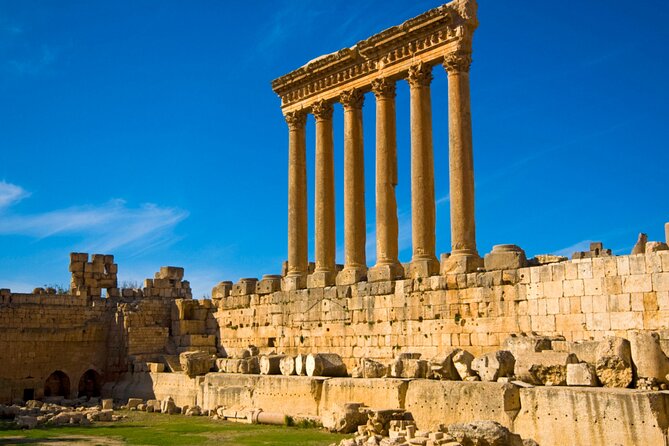
Baalbek is the reason many people choose this day trip. The sanctuary sits at about 1,150 meters near the southwestern slope of the Anti-Lebanon range, on the edge of the Bekaa Valley. The setting gives the site a sense of scale before you even begin looking closely at the masonry.
The ancient city was called Heliopolis during the Hellenistic period. Under Rome, it became a major religious center dedicated to a Romanized version of a Phoenician triad: Jupiter, Venus, and Bacchus. Pilgrims came in large numbers, and the buildings were designed to match the importance of the cult.
You should expect roughly three hours devoted to Baalbek when the general stop and temple visit are taken together. That is useful because the complex deserves more than a quick circuit. The Temple of Bacchus is especially impressive for its size and preservation, while the Temple of Jupiter gives you a better sense of the monument’s original ambition.
The complex is famous for colossal columns and huge stone construction, but the best experience comes from slowing down. Look at the carved details around doorways, the layered construction, and the way later buildings and beliefs occupied the same sacred ground. A local archaeological guide can help connect the surviving stones to the site’s earlier Phoenician and Hellenistic roles.
Admission to the main archaeological complex is not included in the stated $65 price. That is an important point when you calculate the final cost. The tour’s Baalbek stop is listed with free admission in one part of the schedule, while the temple complex itself is marked as not included, so you should confirm the current entrance arrangement when booking.
The Mosque of Sayyida Khawla
The day also includes a stop at the Mosque of Sayyida Khawla in Baalbek. It marks the place where local belief holds that Sayyida Khawla, the daughter of Imam al-Hussein, was buried after the events of Karbala.
This is not simply another old building to check off. It adds a living religious dimension to Baalbek and reminds you that the town’s importance did not end with the Roman period. The supplied schedule does not give a fixed duration for this stop, so the time may depend on the day’s traffic, site conditions, and group pace.
Dress and behave respectfully at a religious site. If you are interested in how sacred places continue to matter to local communities, this brief visit can add more meaning to the ancient ruins around it.
Anjar: an Umayyad city with a street plan
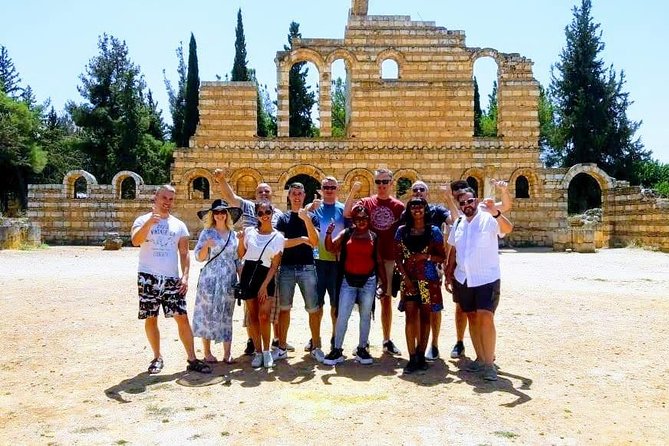
Anjar makes a strong partner for Baalbek because the two sites feel so different. Baalbek is monumental and heavily associated with Imperial Rome. Anjar is more restrained, geometric, and connected to the early Islamic Umayyad period.
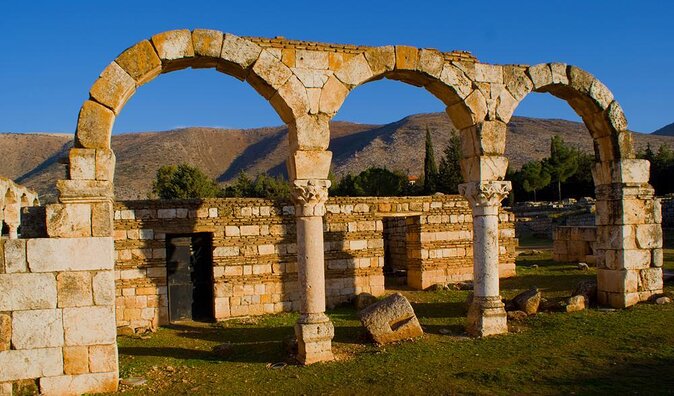
Caliph Walid I founded the city at the beginning of the eighth century. Its ruins reveal a carefully planned settlement with streets laid out in a regular pattern. That order is one of the site’s pleasures. Instead of seeing a single giant temple, you begin to read the city as a whole.
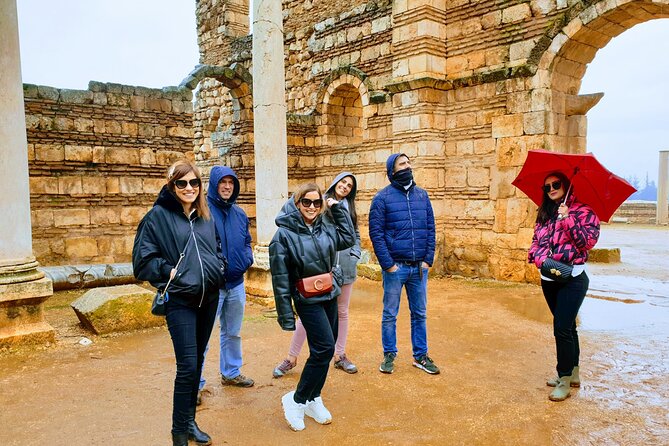
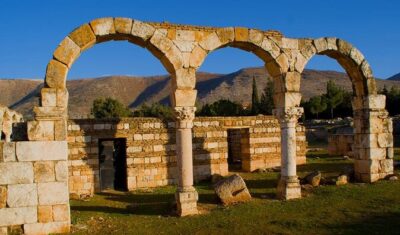
The remains include sections of the walls, the caliph’s great palace, a harem, a mosque, thermal baths, and rows of columns. Some Roman architectural elements were reused, which gives the ruins an appealing blend of styles. Anjar also sat at the meeting point of important routes, including the road between Beirut and Damascus and another route across the Bekaa toward Homs and Tiberias.
You will have about 90 minutes at Anjar when the general stop and the ruins visit are combined. That is enough for an introduction to the layout and major structures, though anyone with a strong interest in archaeology may wish for longer.
The site was only identified by archaeologists in the late 1940s. That fact gives the visit a different character from Baalbek. You are not only looking at a famous monument, but also at a city whose remains became clearer through modern archaeological work. An on-site archaeologist helps explain what you are seeing, and this was one of the most praised parts of the experience.
Admission to the Umayyad ruins is not included. You should allow for that extra charge along with the Baalbek entrance fee.
Other Lebanese wine estates worth the drive:
- Guided Private Full Day Tour to Baalbek, Anjar and Chateau Ksara
★ 5.0 · 60 reviews - Lebanon tour Baalbek ruins & Ksara w/pick-up, lunch,guide+entries
★ 5.0 · 35 reviews - Baalbek Temples & Ksara Caves w/pick-up,guide, entries+lunch
★ 4.9 · 34 reviews - Small Group Tours to Baalbek, Anjar & Chateau Ksara with lunch and Tickets
★ 5.0 · 29 reviews
Lebanese lunch in the middle of the day
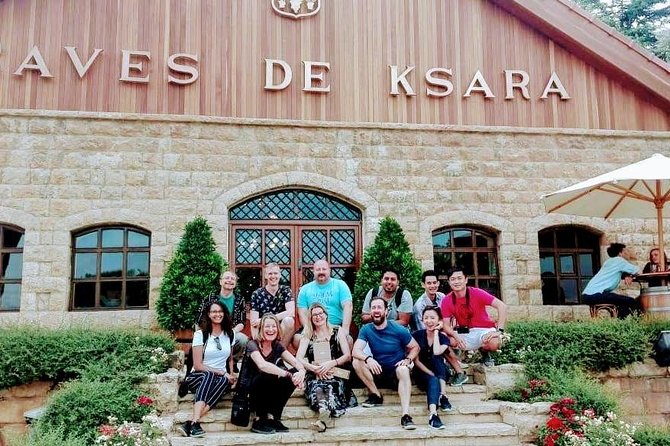
A proper lunch matters on a nine-hour outing. The meal is served at a local restaurant and is included in the price, so you do not have to spend the middle of the day hunting for food or settling for something from a fuel stop.
The meal is repeatedly described as generous and authentically Lebanese, with enough food to leave some diners unable to finish everything. That is a good sign if you want a taste of local cooking rather than a standardized tour menu. It also gives the tour leader a natural moment to explain food, customs, and the places you have just visited.
There is one useful caution. One visitor was unhappy with both the food quality and the restaurant service. I would not book this tour solely for its lunch, since restaurants and menus can change. Think of the meal as a convenient and cultural part of the day, with the ruins remaining the main reason to go.
If you have dietary restrictions, ask about them before departure. The supplied information confirms that lunch is included, but it does not specify a menu or dietary arrangements.
Chateau Ksara and the wine stop
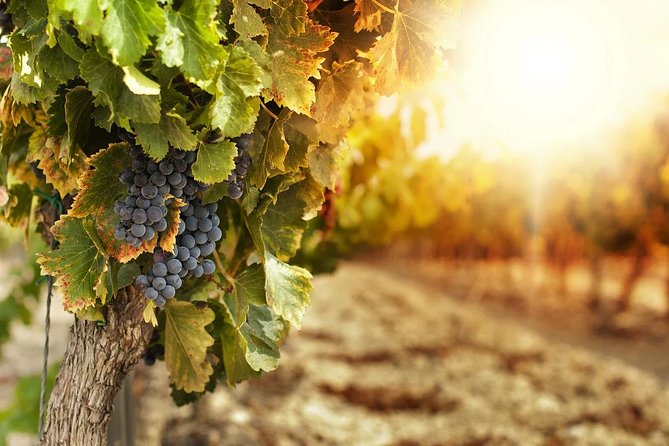
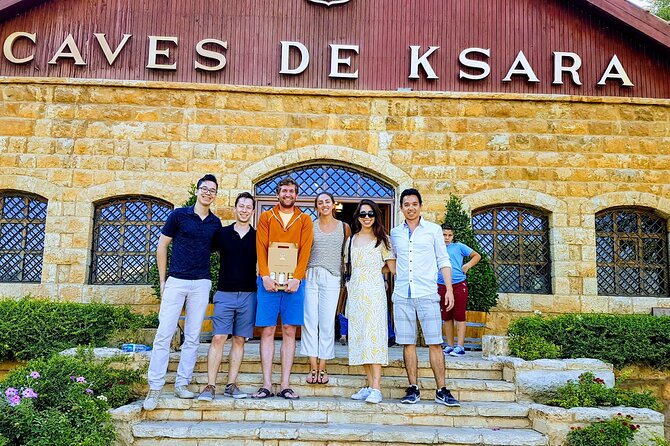
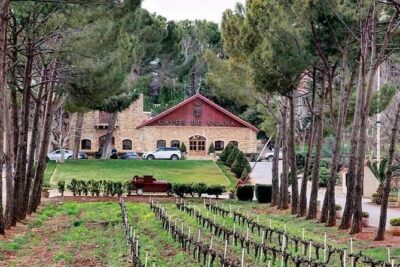
Chateau Ksara provides a welcome change after a morning of archaeology. The winery was founded in 1857 by Jesuit priests and developed Lebanon’s first dry wine. It now produces about three million bottles a year and exports to more than 40 countries.
The visit lasts about an hour. That should give you an introduction to the winery and its role in Lebanese wine production, though the exact tasting format is not specified. One visitor notes that the wine tasting cost extra but felt worthwhile, so do not assume that every tasting charge is covered by the $65 tour price.
This stop suits you if you enjoy food and drink as part of a cultural day. It may feel less essential if your only goal is ancient history, but it breaks up the schedule and gives you a look at a modern Lebanese industry with a long local connection.
What the $65 price really covers
At $65 per person, this is a good-value day if you use the included elements. Hotel pickup and drop-off, an air-conditioned vehicle, a tour leader, professional guides, and lunch are all covered. The designated driver is a major practical benefit because you can watch the countryside and arrive at the sites without managing the drive yourself.
The cost becomes less simple once you add entrance fees and possible wine tasting. Baalbek and Anjar both list admission as not included for their principal archaeological areas. The tour remains reasonably priced, but you should not treat $65 as the complete door-to-door cost.
The value is strongest for a first visit to Lebanon when you want three very different stops without arranging several separate rides. A private driver could offer more flexibility, but it would normally cost more. A public transport plan may cost less in theory, yet it would not provide the same guided access, meal, or direct hotel transfers.
The practical shape of the day
Pickup begins around 8:30 a.m. from central Beirut hotels. Confirmation is sent at booking, and the service includes mobile ticketing. The maximum group size is 15, although the actual number can be smaller, especially when demand or local conditions reduce bookings.
Wear shoes you can walk in comfortably. The outdoor ruins are large, and the day can feel hot in summer. Bring water, sun protection, and a phone or camera with enough battery for the long day. The guide Hassan was praised for waiting while a visitor took extra photographs, but you should still respect the group schedule.
The tour is described as suitable for most people, but the information does not give detailed accessibility specifications. If you need step-free access, special transport, or other assistance, ask the provider before booking rather than relying on a general suitability statement.
The security situation in Lebanon can change. The supplied information does not provide a current safety assessment, so check official travel advice and confirm operating conditions shortly before your trip.
The strongest part is the guiding
The ruins are spectacular on their own, but a guide determines how much you take from them. The best accounts of this tour praise guides who explain the history of the places you pass on the road, keep the mood light, and answer questions without making you feel rushed.
Albert is noted for being professional, funny, and clear about pickup times and the day’s schedule. Hassan is praised for patience and for sharing details about Lebanon’s past and present. Alfred is described as especially kind and well informed, while Mariana is credited with making a private-feeling day both useful and joyful.
The specialist archaeologists at Baalbek and Anjar are another real advantage. They can point out the difference between a surviving wall and a reconstructed section, explain the role of the buildings, and help you understand the Roman and Umayyad periods on their own terms. That specialist input is worth more than a guide simply naming the columns and taking you to the photo spots.
Who should book this tour?
I would choose this tour if Baalbek is high on your list and you want to add Anjar and wine country without planning the transport yourself. It suits first-time visitors, couples, solo visitors, and anyone who prefers a social day with a limited group rather than a large coach.
It is also a good fit if you like variety. In one day, you get monumental Roman architecture, an early Islamic urban plan, a religious site still important to local people, a Lebanese meal, and a winery founded in the nineteenth century.
I would think twice if you dislike long drives, prefer setting your own pace, or want several hours for detailed archaeological study. The day covers a lot, and the schedule cannot give Baalbek or Anjar the unhurried attention that a private visit might allow.
Free cancellation is available up to 24 hours before the start time for a full refund. Changes or cancellations inside that window are not accepted, so keep the local cutoff time in mind.
Should you book it?
Book it if you want the simplest strong introduction to the Bekaa Valley from Beirut. The combination of hotel transfers, lunch, a small group, specialist site guides, and three sharply different stops makes $65 a convincing price, even after allowing for entrance fees and possible wine tasting.
The best reason to go is Baalbek. The best reason to choose this particular format is that you get Baalbek with context, Anjar with archaeological guidance, and a taste of Lebanese daily life in the same day. Just prepare for heat, walking, and a full schedule, then confirm which extra charges apply before you set out.
FAQ
How long does the tour last?
The tour lasts approximately nine hours.
What time does the tour start?
The stated start time is 8:30 a.m.
Does the tour include hotel pickup and drop-off?
Yes. Door-to-door round-trip transfers are provided from central Beirut hotels.
What is the maximum group size?
The tour has a maximum of 15 people.
Is lunch included?
Yes. A Lebanese lunch at a local restaurant is included.
Are entrance fees included?
The main archaeological admission fees for Baalbek and Anjar are listed as not included.
Is wine tasting at Chateau Ksara included?
The supplied information does not confirm that wine tasting is included. One account states that the tasting cost extra, so confirm the charge before booking.
Is the tour suitable for most people?
Yes. The activity information says most people can participate, though detailed accessibility information is not provided.
Can I cancel for a full refund?
Yes, if you cancel at least 24 hours before the experience start time. Cancellations made less than 24 hours before departure are not refunded.
More Lunch Experiences in Beirut
- Guided Small-Group Tour to Jeita, Harissa, Byblos with Lunch
★ 5.0 · 361 reviews - Byblos, Jeita Grotto & Harissa Day Trip -With Lunch (4G on Board)
★ 4.5 · 145 reviews - Semi-Private Tour to Jeita Grotto, Harissa & Byblos with Lunch
★ 5.0 · 52 reviews - Sidon, Tyre & Maghdouche Day Trip – With Lunch (4G on Board)
★ 4.5 · 44 reviews
Newest Beirut reviews
- Wine Tasting Tour★ 5.0 · 2 reviews
- Journey Through Time: Half-Day Private Tour to Baalbek★ 5.0 · 3 reviews
- Lebanon’s Treasures: Jeita Grotto and Harissa Private Tour★ 5.0 · 2 reviews
- Traveling Spoon Lebanese Mezze Private Online Cooking Class★ 5.0 · 4 reviews
- Wine Tasting and Culture★ 5.0 · 3 reviews
- Small Group Tour to Baalbek, Anjar & Ksara with Hotel pickup★ 5.0 · 2 reviews
- Small Group Tours to Jeita Grotto and Byblos with tickets★ 5.0 · 3 reviews
- Small-Group Tour with Lunch to Baalbek, Anjar and Ksara★ 5.0 · 3 reviews
Baalbek & Bekaa Valley Tours, compared.
Anjar, Baalbek & Ksara Day Trip – With Lunch (4G on Board)
Read our review →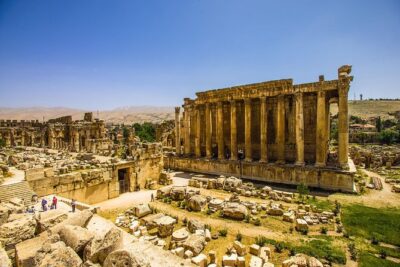
Private Anjar and Baalbek Tour from Beirut with Departure Ticket
Read our review →
Guided Private Full Day Tour to Baalbek, Anjar and Chateau Ksara
Read our review →
Lebanon tour Baalbek ruins & Ksara w/pick-up, lunch,guide+entries
Read our review →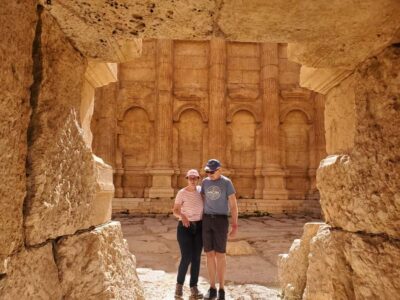
Baalbek Temples & Ksara Caves w/pick-up,guide, entries+lunch
Read our review →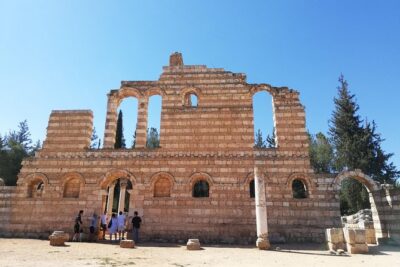
Small Group Tours to Baalbek, Anjar & Chateau Ksara with lunch and Tickets
Read our review →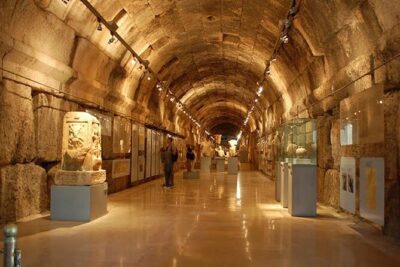
Private Tour: Anjar, Baalbek and Ksara Day Trip from Beirut
Read our review →Browse the lists this tour appears in