
Review · JEITA GROTTO TOURS
Private Guided Tour to Jeita Grotto through Harissa and Byblos
Lebanon packs wonders into one day. This private tour gives you a practical way to leave Beirut behind and see three very different sides of the country: the vast limestone chambers of Jeita Grotto, the hilltop shrine at Harissa, and the ancient port city of Byblos.
I like the private air-conditioned vehicle and the hotel pickup, since Beirut traffic and unfamiliar roads can make independent sightseeing tiring. I also like the mix of nature, religion, archaeology, and sea views. The main drawback is that the $75 price does not include admission to Jeita Grotto, the Byblos Castle, or the Harissa cable car, and lunch is also extra.
The experience lasts about eight hours and is designed for your group alone. Guides such as Hassane, Ahmad, Albert, Hussein, and Khassim have been praised for being punctual, friendly, flexible, and attentive. That personal service is a major part of the value here, especially if you want explanations rather than just transportation.
In This Review
- Key points to know before booking
- Why this is a useful Beirut day trip
- Jeita Grotto: the day’s most memorable stop
- Harissa and Our Lady of Lebanon
- The Teleferique cable car and Jounieh Bay
- Lunch: plan for an extra expense
- Byblos: Phoenician history beside the sea
- Byblos Castle and the archaeological site
- Old souk and the ancient port
- Transport, timing, and the private format
- Who should book this tour?
- Should you book the Jeita, Harissa, and Byblos tour?
- FAQ
- How long does the private tour last?
- Where does the tour begin and end?
- Is transportation private?
- Is lunch included?
- Are Jeita Grotto admission tickets included?
- Is entry to Byblos Castle included?
- Is the Harissa cable car included?
- Is entry to the Shrine of Our Lady of Lebanon free?
- Is the tour private for only my group?
- Can I cancel for a full refund?
Key points to know before booking
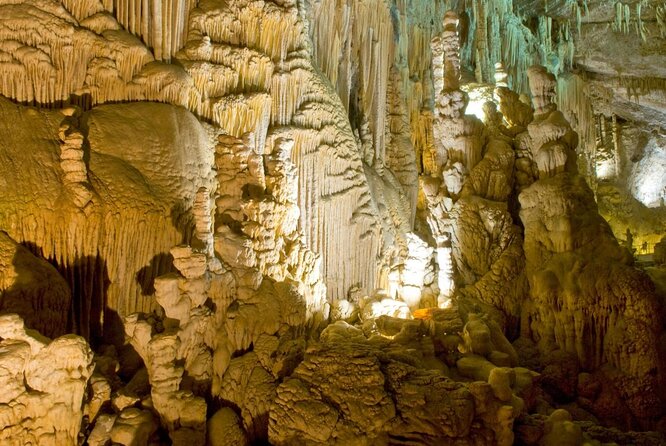
- Jeita Grotto is the star attraction: You see dramatic limestone formations in the upper cave and ride a boat through the lower gallery when conditions allow.
- Harissa brings the best high view: The Teleferique cable car links the coast and mountain shrine, with broad views over Jounieh Bay.
- Byblos rewards slow walking: The castle, archaeological site, old souk, and port are close together, making this an easy place to explore on foot.
- Private transport saves time: Hotel pickup and drop-off mean you do not need to arrange taxis between three separate sites.
- Extra costs matter: Jeita Grotto, Byblos Castle, the cable car, and lunch are not included in the advertised price.
- The schedule has some flexibility: The private format lets your guide adjust the pace, though the full route still covers a lot in one day.
Why this is a useful Beirut day trip
Beirut is a good base, but Lebanon’s most memorable sights sit outside the capital. This route heads north toward the coast and mountains, offering a quick introduction to the country without requiring you to rent a car or work out several separate transfers.
The order of stops gives the day a natural rhythm. Jeita provides the natural spectacle first. Harissa adds religious and scenic interest from above. Byblos then supplies the main cultural and archaeological portion, with time for lunch and a walk through the old streets.
The private format is important. You are not placed into a large bus group with a fixed pace. You can ask questions, pause for photographs, or request a little more time at a site. The guides are often praised for giving information when you want it while also allowing quiet time when you need a rest.
At $75 per person, the price is appealing for a private full-day outing, particularly if two or more people share the vehicle. It becomes less of a bargain once you add the site fees and lunch, but the price still covers private transportation, hotel transfers, a tour leader, and a local guide in Byblos.
Other ways to see the Jeita caves:
- Guided Small-Group Tour to Jeita, Harissa, Byblos with Lunch
★ 5.0 · 361 reviews - Jeita Grotto – Harissa – Byblos Trip
★ 5.0 · 169 reviews - Byblos, Jeita Grotto & Harissa Day Trip -With Lunch (4G on Board)
★ 4.5 · 145 reviews
Jeita Grotto: the day’s most memorable stop
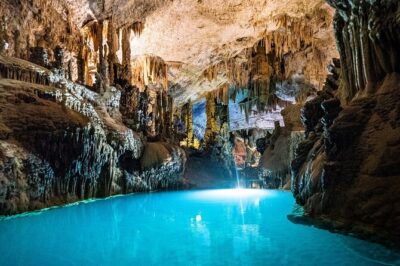
Jeita Grotto is the strongest reason to choose this tour. The cave system consists of two connected karstic limestone galleries formed over millions of years. It is described as the longest cave complex in the Middle East, with a striking range of natural shapes created by water and mineral deposits.
The upper cave extends about 2,130 metres. Inside, you can expect stalactites, stalagmites, columns, curtains, draperies, ponds, and mushroom-like formations. The effect is not a quick walk through a single cavern. It is a large underground world with changing shapes and textures.
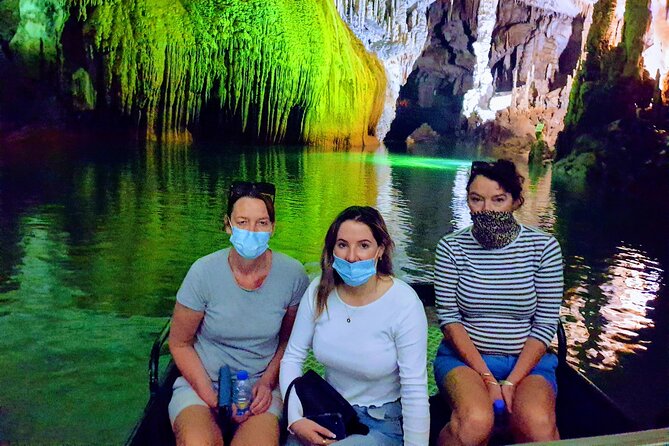
The lower gallery is around 60 metres below the upper cave and measures about 6,200 metres. An underground river and lake run through it, and the visit includes a boat ride through the watery section. That boat trip is a pleasant change from walking and gives you a close view of the cave walls.
The visit here lasts about 90 minutes. That is enough time to appreciate the main sections without making the stop feel endless, but you should still wear comfortable footwear and expect some walking. The caves can also feel cool compared with Beirut, so a light layer is sensible.
Admission is not included. This is one of the most important costs to confirm before you go, because the advertised $75 is not the final amount for the day. The cave is also a popular sight, so your actual pace may depend on operating conditions and the flow of people through the galleries.
I would put Jeita first on your personal priority list. The natural formations are unlike anything else on this route, and several visitors have described the grotto as the most unforgettable part of the day. If you have limited time in Lebanon, this stop alone makes the excursion worth serious consideration.
Harissa and Our Lady of Lebanon
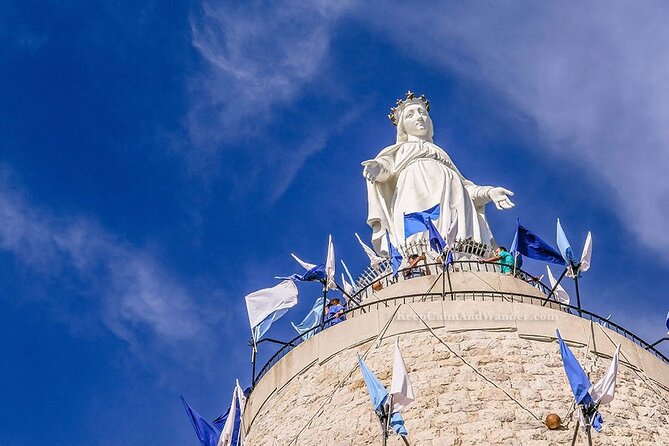
After Jeita, the route continues to Harissa, a major Christian pilgrimage site above Jounieh. The centerpiece is a 15-ton bronze statue of the Virgin Mary, known as Our Lady of Lebanon or Notre Dame du Liban.
The white-painted statue rises 8.5 metres and has a diameter of five metres. Its arms extend toward Beirut and the Bay of Jounieh, giving the monument a strong visual presence even before you consider the view around it. A small chapel sits inside the base of the statue.
The shrine visit itself is free and lasts about 30 minutes. This is a short stop, but it gives you time to see the statue, enter the chapel if open, and take in the broad view from the hill. The setting is important to many pilgrims, while visitors interested in architecture and local religious life will also find it worthwhile.
Nearby, a large concrete-and-glass cathedral adds another architectural point of interest. Harissa also includes churches from different Christian traditions, including the Byzantine-style Melkite Greek Catholic Basilica of St. Paul.
You do not need to be religious to appreciate this stop. It offers a clear look at one part of Lebanon’s cultural identity, and the hilltop position creates a sharp contrast with the enclosed world of Jeita Grotto.
The Teleferique cable car and Jounieh Bay
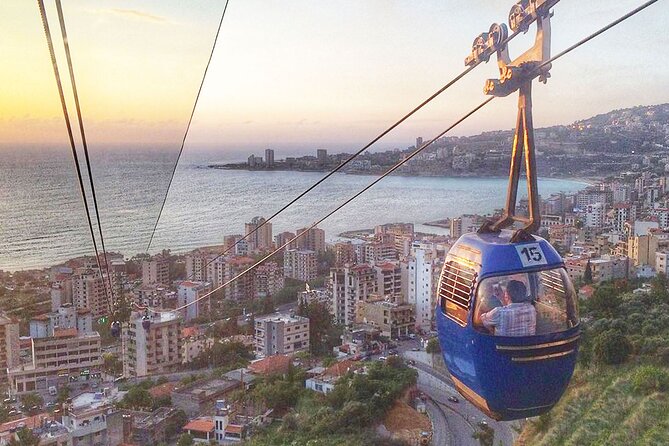
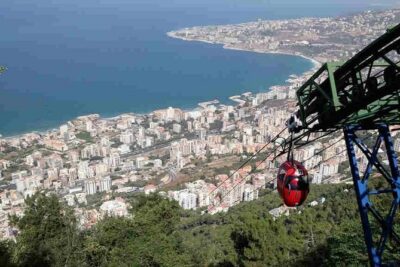
The Harissa cable car, known as the Teleferique, is one of the most enjoyable short parts of the day. The gondolas connect the coastal area with the shrine and offer views across Jounieh Bay and the surrounding city.
The ride lasts about 30 minutes as part of the stop. It is especially useful for photographs, but it is also a simple pleasure in its own right. From the gondola, you get a different sense of the distance between the coast and the hilltop shrine.
The cable-car ticket is not included. Ask your guide how and where the ticket is handled, then allow a little patience if the gondolas are busy. This is a short attraction, so the cost may feel more noticeable if you are trying to keep the full day on a strict budget.
For many people, Harissa is the most relaxing portion of the tour. The cave is dramatic and Byblos is packed with things to see, while the cable car gives you a chance to slow down and look outward.
Other trips down to the old harbour at Byblos:
- Semi-Private Tour to Jeita Grotto, Harissa & Byblos with Lunch
★ 5.0 · 52 reviews - Small Group Tour to Jeita Grotto, Harisa & Byblos with Hotel pickup
★ 5.0 · 49 reviews - New Guided Semi-Private Tour to Jeita Grotto, Harissa & Byblos
★ 5.0 · 47 reviews - Jeita Grotto – Harissa – Byblos Tour (All Inclusive)
★ 4.5 · 27 reviews
Lunch: plan for an extra expense
Lunch is not included, so you should budget for it separately. The schedule places lunch before or around the Harissa portion, depending on the day’s timing and your guide’s arrangements.
Some past participants have described the meal as impressive, but that does not mean it is covered by the tour price. Ask your guide about the restaurant, menu, and expected cost before ordering. A private tour makes this easier because you can discuss what sort of meal suits your group.
Do not rush lunch just to protect the schedule. Byblos is best enjoyed with enough time for its old streets and waterfront, and a meal can be a useful pause between the mountain sights and the archaeological area.
Byblos: Phoenician history beside the sea
Byblos is the cultural anchor of the second half of the day. It is one of the oldest Phoenician cities and has been inhabited since Neolithic times. Its importance reaches beyond Lebanon because the city is closely tied to the development and spread of the Phoenician alphabet.
The main area is compact enough to explore on foot. You can move between the archaeological site, castle, old souk, and port without spending the afternoon in the vehicle. The local guide in Byblos adds value here because the ruins make more sense when you understand how the city developed over different periods.
The stop in Byblos lasts about two hours, with another hour set aside for the castle. That is a reasonable amount of time for a first visit, though you should not expect to examine every ruin in detail. If archaeology is your main interest, you may wish for more time.
The city also has a different mood from Beirut. Its old streets, stone buildings, waterfront, and historic remains create a calmer setting for walking. You can look at the past without being shut away in a museum.
Byblos Castle and the archaeological site
Byblos Castle is a restored 12th-century Crusader fortress surrounded by a dry moat about 10 metres wide. It sits inside the archaeological area, close to the ruins of the Temple of Baalat Gebal and the Temple of the Obelisks.
The castle’s square keep is the key viewpoint. From the top, you can look over the archaeological remains and toward the sea. Bronze Age dwellings are visible below the walls, helping you see how many layers of settlement occupy this small area.
Inside the castle, there is a small museum and a room with panels explaining the city’s past. These displays are useful if you want a quick timeline, though the material is not likely to satisfy someone seeking a full museum visit.
Admission to the castle is extra. Do not confuse the free walking portions of Byblos with entry to the fortress. The castle is worth paying for if you want the best view over the ruins, but it is the first optional cost I would weigh against your interests.
A local Byblos guide can make a real difference here. Guides on this route have been praised for explaining the ruins clearly and keeping the visit friendly rather than overly formal. Ask questions about the Phoenicians, the port, and the layers beneath the Crusader walls.
Old souk and the ancient port
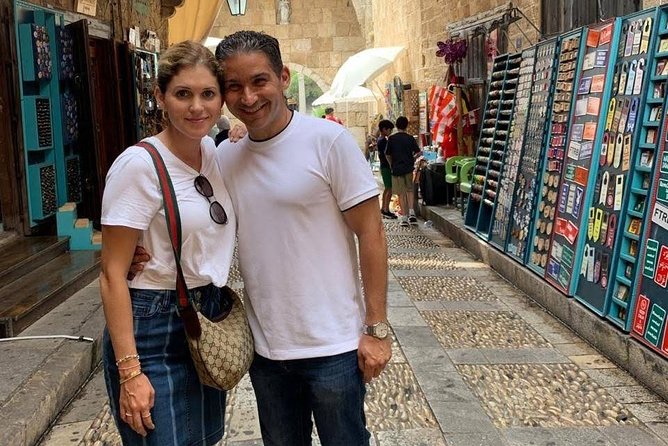
The old souk is a brief ten-minute stop, but it adds a human scale to the archaeological visit. You can walk along cobblestone streets, look at the older architecture, and browse souvenirs or antiques.
Do not expect a long shopping session from the planned schedule. This is more of a pleasant stroll and a chance to see Byblos beyond the ruins. If you find something you want to buy, keep an eye on the clock because the port comes next and the return drive still lies ahead.
Byblos Port is also allotted about ten minutes. Lebanese tradition identifies it as one of the oldest ports in the world, and around 3000 BC it was an important timber-shipping center in the eastern Mediterranean.
The port is not a large standalone attraction. Its value comes from the setting and the connection between ancient trade, the city, and the sea. I would treat it as a final viewpoint rather than a major guided stop.
Transport, timing, and the private format
The tour uses a private, air-conditioned vehicle and includes pickup and drop-off at your Beirut hotel. That removes much of the friction from a day that covers caves, a mountain shrine, and a coastal archaeological city.
An eight-hour schedule is full but workable. Jeita takes about 90 minutes, Harissa and the cable car take roughly 75 minutes combined, and Byblos receives several hours once the castle and shorter walks are added. Traffic, lunch, and ticket lines can affect the exact timing.
The guide may be a driver-guide or work with a separate driver. Names associated with this service include Hassane, Ahmad, Albert, Hussein, and Khassim, though the person assigned to your booking can vary. The strongest pattern is punctual service, friendly conversation, and a willingness to help with small needs such as water, child seating, or schedule changes.
Most people can participate, but the day includes walking around caves, archaeological ruins, cobblestone streets, and a hilltop shrine. If you have mobility concerns, ask in advance about the current access arrangements at each stop.
Who should book this tour?
I would recommend this experience if you are staying in Beirut and want one efficient day outside the city. It suits couples, families, and small groups who value a private vehicle and the ability to ask questions along the way.
Families may appreciate the variety. The cave, boat ride, cable car, castle, and waterfront keep the day moving, and one family has described enjoying the outing with an eight-year-old child. Still, the schedule is long, so younger children may need breaks during the archaeological portion.
It also works well for a first visit to Lebanon. You get a quick introduction to natural wonders, Christian pilgrimage sites, Phoenician history, Crusader architecture, traditional streets, and coastal scenery without arranging each part yourself.
I would hesitate if your main goal is slow archaeology. Two hours in Byblos is enough for an overview, not an exhaustive study. I would also compare the final price after entrance fees and lunch if you are traveling alone, since private tours usually offer better value when the cost is shared.
Should you book the Jeita, Harissa, and Byblos tour?
Book it if you want a polished one-day route from Beirut with strong variety and minimal transport planning. Jeita Grotto is the essential stop, while Harissa supplies the best views and Byblos gives the day its historical depth.
Before confirming, ask for the current entrance fees, cable-car arrangements, lunch expectations, pickup time, and the guide assigned to your group. Free cancellation is available when you cancel at least 24 hours before the start time, but changes or cancellations inside that window are not refundable.
For most first-time visitors with only one free day, this is a well-balanced choice. It is not the cheapest possible way to see the north, but the private vehicle, hotel service, local guidance, and flexible pace make the $75 starting price reasonable once you understand the added costs.
FAQ
How long does the private tour last?
The tour lasts approximately eight hours.
Where does the tour begin and end?
Pickup and drop-off are offered at your Beirut hotel.
Is transportation private?
Yes. Your group travels in a private, air-conditioned vehicle.
Is lunch included?
No. Lunch is not included in the tour price.
Are Jeita Grotto admission tickets included?
No. Admission to Jeita Grotto is not included.
Is entry to Byblos Castle included?
No. The Byblos Castle admission ticket is not included.
Is the Harissa cable car included?
No. The Teleferique Harissa ticket is not included.
Is entry to the Shrine of Our Lady of Lebanon free?
Yes. The shrine stop is listed with free admission.
Is the tour private for only my group?
Yes. This is a private activity, and only your group participates.
Can I cancel for a full refund?
Yes, if you cancel at least 24 hours before the experience start time. Cancellations within 24 hours are not refunded.
More Harissa Tours
- Lebanon Tour Jeita-Harissa & Byblos w/pickup,lunch,entries +guide
★ 5.0 · 27 reviews - Jeita Grotto, Byblos and Harissa Full-Day Tour from Beirut
★ 5.0 · 23 reviews - Full-Day Private Tour to Jeita Grotto, Harissa and Byblos
★ 5.0 · 20 reviews - PRIVATE tour to Jeita Grottos, Harissa Shrine & Byblos City
★ 5.0 · 12 reviews
Newest Beirut reviews
- Wine Tasting Tour★ 5.0 · 2 reviews
- Journey Through Time: Half-Day Private Tour to Baalbek★ 5.0 · 3 reviews
- Lebanon’s Treasures: Jeita Grotto and Harissa Private Tour★ 5.0 · 2 reviews
- Traveling Spoon Lebanese Mezze Private Online Cooking Class★ 5.0 · 4 reviews
- Wine Tasting and Culture★ 5.0 · 3 reviews
- Small Group Tour to Baalbek, Anjar & Ksara with Hotel pickup★ 5.0 · 2 reviews
- Small Group Tours to Jeita Grotto and Byblos with tickets★ 5.0 · 3 reviews
- Small-Group Tour with Lunch to Baalbek, Anjar and Ksara★ 5.0 · 3 reviews
Jeita Grotto Tours, compared.
Guided Small-Group Tour to Jeita, Harissa, Byblos with Lunch
Read our review →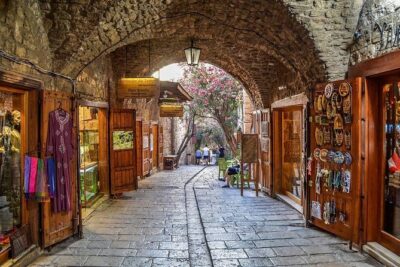
Byblos, Jeita Grotto & Harissa Day Trip -With Lunch (4G on Board)
Read our review →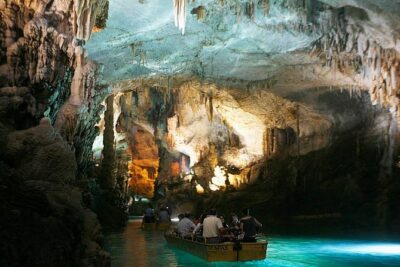
Semi-Private Tour to Jeita Grotto, Harissa & Byblos with Lunch
Read our review →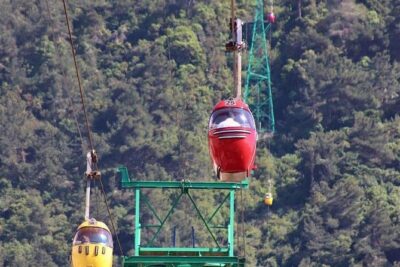
Small Group Tour to Jeita Grotto, Harisa & Byblos with Hotel pickup
Read our review →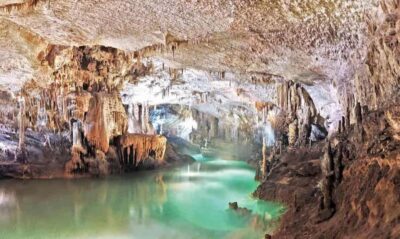
Jeita Grotto, Harissa & Byblos Private Day Tour
Read our review →
Jeita Grotto, Harissa, Byblos group tour & Guide
Read our review →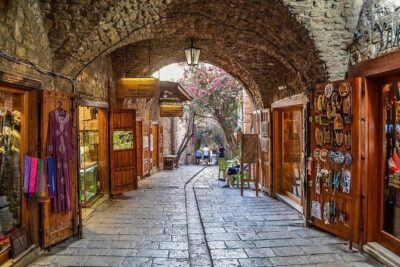
Jeita Grotto – Harissa – Byblos Tour (All Inclusive)
Read our review →Browse the lists this tour appears in