
Review · BAALBEK & BEKAA VALLEY TOURS
Small-Group Tour with Lunch to Baalbek, Anjar and Ksara
Ancient stones, modern wine, one busy day. This tour packs Lebanon’s Bekaa Valley into about eight hours, linking the colossal Roman temples of Baalbek with the Umayyad ruins of Anjar and a tasting at Château Ksara. I especially like the door-to-door pickup in Beirut and the chance to see three very different sides of the valley without arranging separate transport.
I also like the small maximum of 15 people, since that gives the guide a better chance to answer questions and keep the day moving. The main drawback is the pace: Baalbek alone deserves serious time, while Anjar and Ksara add more stops to an already full day. You should also check which entrance fees are payable locally, since some admissions are not included.
In This Review
- Four things to know before booking
- Why the Bekaa Valley makes a strong day trip from Beirut
- Starting at 8:30 a.m. from Beirut
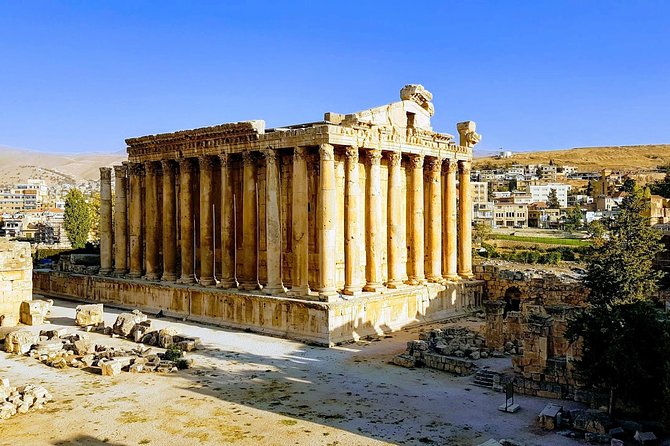
- Baalbek’s giant Roman sanctuary
- The Stone of the Pregnant Woman
- Anjar and the Umayyad chapter
- Lebanese lunch in the middle of the day
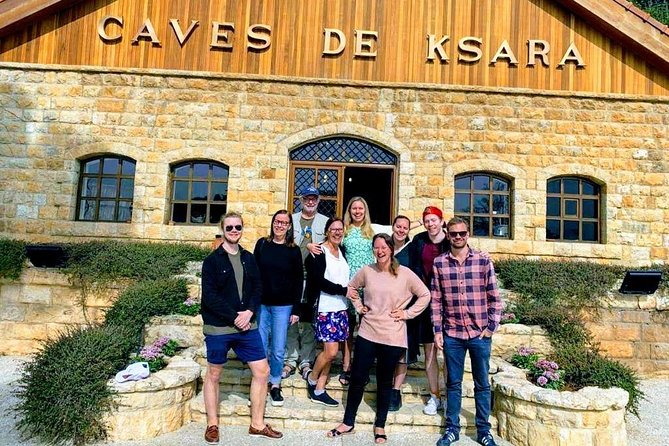
- Château Ksara and Lebanese wine
- What the $65 price really covers
- The guide can shape the whole day
- Who should book this tour?
- Practical booking advice
- Should you book Baalbek, Anjar and Ksara?
- FAQ
- How long does the tour last?
- What time does the tour start?
- Is hotel pickup available?
- How many people can join the group?
- Is transportation included?
- Is lunch included?
- Is wine tasting included?
- Are entrance tickets included?
- Can I cancel for a full refund?
Four things to know before booking
- Baalbek is the main event: The Roman sanctuary includes the Temple of Jupiter and Temple of Bacchus, among the most imposing ancient ruins in Lebanon.
- Anjar adds a different era: Its Umayyad palaces, mosque, baths and city walls show that the Bekaa Valley story did not end with Rome.
- Château Ksara brings a local flavor: The winery was founded by Jesuit priests in 1857 and includes a Lebanese wine tasting.
- Lunch is part of the package: You receive an authentic Lebanese meal, not just transportation and sightseeing.
- The group is capped at 15: That is small enough for direct contact with the guide, though the exact vehicle and group size may vary up to that limit.
- The day begins at 8:30 a.m.: Pickup and drop-off are available from locations in Beirut city center.
Why the Bekaa Valley makes a strong day trip from Beirut
Beirut gives you Lebanon’s urban energy, but the Bekaa Valley provides the country’s grandest ancient sites in one broad outing. Baalbek sits at about 1,150 meters at the foot of the Anti-Lebanon range, while Anjar lies along old routes linking Beirut, Damascus, Homs and Tiberias. That setting helps explain why rulers and merchants cared so much about this valley.
You will spend much of the day in an air-conditioned vehicle, which matters on a long outing with several stops. The pickup arrangement also removes the need to find an early taxi or work out intercity transport. If you are staying in Beirut city center, the tour is built to be easy from the start.
The tradeoff is time on the road. This is not a slow archaeological study, and it is not meant to be. You get a carefully arranged overview of major sights, with lunch and wine included, rather than hours to explore every corner at your own speed.
More runs out to the Bekaa and its Roman temples:
- Guided Small-Group Tour to Baalbek, Anjar and Ksara with Lunch
★ 5.0 · 511 reviews - Anjar, Baalbek & Ksara Day Trip – With Lunch (4G on Board)
★ 4.5 · 181 reviews - Baalbek – Anjar – Ksara Trip From Beirut
★ 4.5 · 80 reviews
Starting at 8:30 a.m. from Beirut
The day starts at 8:30 a.m., with pickup from your Beirut city-center location. Bring what you need for a full day, since the schedule runs for roughly eight hours and combines outdoor ruins, transport and a winery stop.
The air-conditioned vehicle is one of the tour’s practical strengths. Baalbek and Anjar are not Beirut neighborhoods that you can casually connect by walking or short taxi rides. Having one vehicle, a tour leader and hotel drop-off keeps the day simple.
A small group can also make the departure less stressful. With no more than 15 people, the guide can usually communicate instructions without shouting across a large coach. The exact pace still depends on the group, traffic and the amount of time spent at each site, so you should not expect every minute to run like a train timetable.
Baalbek’s giant Roman sanctuary
Baalbek deserves the longest portion of the day, and the schedule gives the complex about an hour and a half. That is enough to see the major structures and hear their story, though not enough for an unhurried examination of every stone.
The site was known as Heliopolis during the Hellenistic period. In Roman times, it became a major religious center dedicated to the Heliopolitan Triad: Jupiter, Venus and Bacchus. The buildings you see are the result of more than two centuries of construction, and their scale is the first thing that hits you.
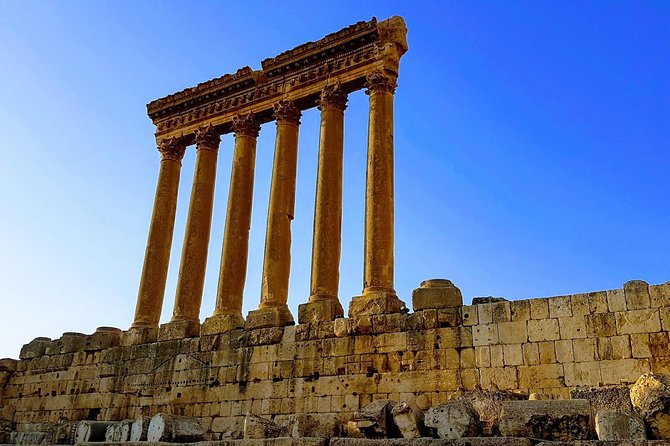
The Temple of Jupiter is famous for its huge surviving columns and the massive platform beneath them. The Temple of Bacchus is especially well preserved in comparison with many ancient temples, with carved details that show how much care went into a building devoted to the wine god.
This is where a strong guide adds real value. The site can look like a grand pile of stones if you do not know what you are seeing. You want someone to explain the religious triad, the Roman building program and the way earlier Phoenician worship was absorbed into Roman forms.
The complex is a UNESCO World Heritage site, and it earns that status through both size and design. Baalbek is not simply large. It shows Imperial Roman architecture at its most confident, with architecture meant to impress pilgrims before they even reached the inner sacred spaces.
The published timing separates a general Baalbek stop from the temple complex stop, each listed at about 90 minutes. In practice, you should think of this as the core Baalbek visit rather than two completely separate sightseeing periods. Confirm the exact order and entrance arrangements with your guide on the day.
Admission information is not entirely uniform in the supplied details. One Baalbek stop is marked as free, while the temple stop says admission is not included. To avoid surprises, ask whether any site fee is payable locally before you enter.
The Stone of the Pregnant Woman
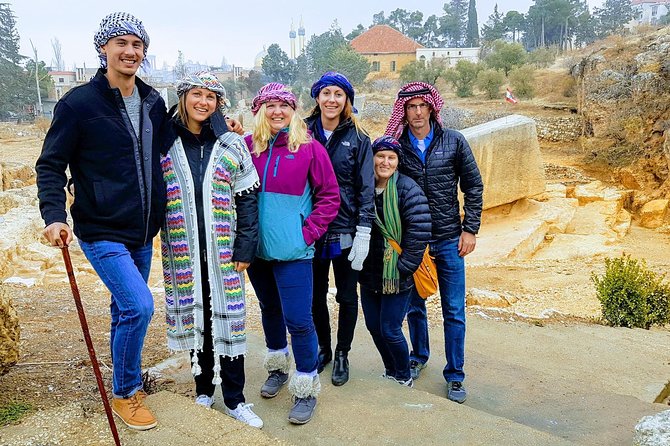
The brief stop at the Stone of the Pregnant Woman lasts about 15 minutes. It is close to Baalbek and gives you a quick look at one of the ancient world’s most extraordinary quarry blocks.
The monolith was worked by Roman builders and, together with another nearby block, ranks among the largest stones ever quarried. The blocks were likely intended for the temple complex. Their size helps you understand the engineering problem behind Baalbek better than a description alone.
Do not expect a long guided walk here. Fifteen minutes is enough to see the stone, take photographs and hear why it matters. It is a short stop, but a useful one because it shifts your attention from the finished temples to the raw material and labor behind them.
Other Lebanese wine estates worth the drive:
- Guided Private Full Day Tour to Baalbek, Anjar and Chateau Ksara
★ 5.0 · 60 reviews - Lebanon tour Baalbek ruins & Ksara w/pick-up, lunch,guide+entries
★ 5.0 · 35 reviews - Baalbek Temples & Ksara Caves w/pick-up,guide, entries+lunch
★ 4.9 · 34 reviews - Small Group Tours to Baalbek, Anjar & Chateau Ksara with lunch and Tickets
★ 5.0 · 29 reviews
Anjar and the Umayyad chapter
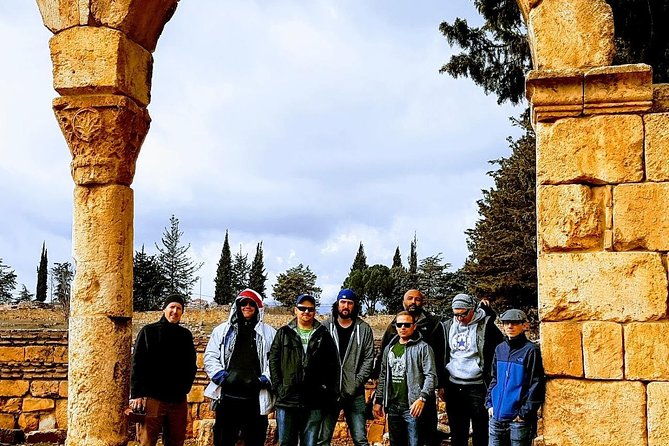
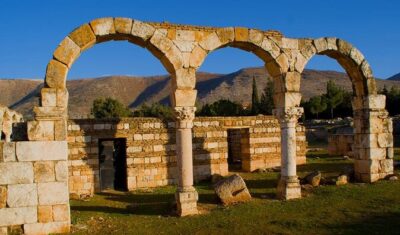
After Baalbek, the tour turns to Anjar, where the mood changes completely. The ruins date to the Umayyad period, and the city was only identified by archaeologists in the late 1940s. Its remains include palace walls, harems, a mosque, thermal baths and the great palace of the caliph.
Anjar was built as an inland commercial center at the meeting point of important routes. One route connected Beirut with Damascus. Another crossed the Bekaa toward Homs and Tiberias. That location made the city useful for trade and administration, and its layout reflects that purpose.
You may notice Roman architectural elements in the columns and stonework. That does not make Anjar a second Baalbek. Its value is the contrast. Baalbek represents a huge Roman sanctuary that drew pilgrims, while Anjar shows a planned Umayyad city linked to commerce, government and movement across the region.
The visit is scheduled for about 45 minutes. That is a sensible introduction, but it is short if you want to inspect every structure or spend time thinking through the site plan. Your guide’s explanation will help you make the most of the limited time.
Admission to Anjar is listed as not included. Ask about the local charge before the visit, especially because Baalbek and Anjar are not presented with identical ticket information.
Lebanese lunch in the middle of the day
Lunch is included, and the description promises an authentic Lebanese meal in the local style. That is important on a full-day tour. You are not left to search for food between ancient sites, and the meal becomes part of the regional experience rather than a minor convenience.
The information does not specify the restaurant, menu or dietary arrangements. If you have food restrictions, ask the provider before departure. The meal is included, but you should not assume that every special request can be handled without advance notice.
Lunch also gives the schedule a useful pause. After a morning of ruins and explanations, sitting down for a proper meal can keep the afternoon from feeling like a race between attractions.
Château Ksara and Lebanese wine
The final major stop is Château Ksara, a Lebanese wine company in the Bekaa Valley. Jesuit priests founded it in 1857, and the winery later developed Lebanon’s first dry wine. Today, it produces about three million bottles each year and exports to more than 40 countries.
The included tasting gives the day a different finish. Instead of another set of fallen walls, you get a look at a living local industry tied to the same valley you have been crossing. The contrast works well: Roman agriculture, Umayyad trade and present-day wine production all connect back to the Bekaa’s importance.
The winery visit lasts about an hour. That should allow time for the tasting and a basic introduction to Château Ksara, though the supplied details do not specify how many wines are poured or whether a cellar visit is included.
Wine tasting is included as a tour highlight, but the stop’s admission is listed as not included. Ask exactly what the tasting covers and whether any optional purchases or entry charges are separate. If you do not drink alcohol, check what alternatives are available before booking, since the stop is built around wine.
What the $65 price really covers
At $65 per person, this is a strong value if you want Baalbek, Anjar and Ksara in one day. The price includes air-conditioned transportation, Beirut hotel pickup and drop-off, lunch, a professional guide, a tour leader and the wine tasting.
Arranging the same day independently could mean finding transport to Baalbek, connecting onward to Anjar, locating a winery and organizing the return to Beirut. The tour turns that puzzle into one booking. For a first visit to Lebanon, that convenience has real value.
The price does not appear to cover every entrance charge. Baalbek, Anjar and Château Ksara have inconsistent admission notes in the supplied details, so you should confirm the current arrangement before setting out. Even if a modest fee is due at one or more sites, the included meal, transport and guiding still make the overall cost reasonable.
The greatest value is the range. In one day, you move from Phoenician and Roman religious history to an Umayyad city and then to a working Lebanese wine producer. You are paying not only for a vehicle, but also for the structure that makes those connections easy to understand.
The guide can shape the whole day
The strongest praise for this experience centers on guiding and organization. Albert is singled out for careful timing and for explaining each point in detail. Ghofran is praised for her presentation of Baalbek, with attention to the individual parts of the site. Ziad is described as both driver and guide, answering questions clearly and helping make the lunch and sightseeing flow well.
Those names indicate the level of service the operator has provided on some departures, but they do not guarantee who will lead your particular date. Your guide may be someone else. Still, the pattern is encouraging: the tour is designed around explanation rather than simply dropping you at the ruins.
That matters most at Baalbek and Anjar. At Ksara, the visit is easier to follow on your own, but at the ancient sites, good context helps you see more than columns, walls and stones.
Who should book this tour?
I would choose this tour if you are based in Beirut and want a practical one-day introduction to the Bekaa Valley. It suits first-time visitors, history fans, wine enthusiasts and anyone who prefers not to arrange long-distance transport independently.
It is also a good fit if you want a small group without paying for a private tour. A maximum of 15 people offers a middle ground between a large coach and a fully private day.
I would hesitate if you want a slow archaeological visit. Baalbek is the sort of place where you can easily spend much longer than 90 minutes, and Anjar’s 45-minute stop is more of a clear introduction than a full study.
The tour may also be less appealing if you have no interest in wine, since Château Ksara takes about an hour. In that case, the site still offers a look at Lebanese production, but the tasting will not be a major reward.
Practical booking advice
Confirmation is received at booking, and most people can participate. The start time is 8:30 a.m., with pickup and drop-off from locations within Beirut city center.
Wear comfortable shoes for the ruins and bring practical day-trip essentials. The supplied details do not specify the walking surface, weather arrangements or exact lunch menu, so ask the provider if you need firm information about those points.
Free cancellation is available if you cancel at least 24 hours before the start time. Cancellations or changes made within 24 hours are not refunded or accepted, and the cut-off uses local time.
Should you book Baalbek, Anjar and Ksara?
Book it if you want the Bekaa Valley’s biggest names in one well-organized day. The combination of Baalbek’s monumental Roman temples, Anjar’s Umayyad ruins, Lebanese lunch and Château Ksara gives you a broad look at the region for $65.
Go in with realistic expectations. This is an efficient overview, not a leisurely excavation visit. Confirm entrance fees, ask who will guide your departure and accept that the schedule favors variety over long stays. For most visitors based in Beirut, that is a fair trade, and the small group, included transport and strong emphasis on guiding make this one of the more useful day trips in the area.
FAQ
How long does the tour last?
The tour lasts approximately eight hours.
What time does the tour start?
The tour starts at 8:30 a.m.
Is hotel pickup available?
Yes. Pickup and drop-off are offered from locations within Beirut city center.
How many people can join the group?
The tour has a maximum of 15 participants.
Is transportation included?
Yes. The tour includes comfortable transportation in an air-conditioned vehicle.
Is lunch included?
Yes. An authentic Lebanese lunch is included in the tour price.
Is wine tasting included?
Yes. The Château Ksara stop includes a complimentary local wine tasting.
Are entrance tickets included?
The supplied details do not show every admission as included. Baalbek, Anjar and Château Ksara have separate admission notes, so confirm any charges with the provider before departure.
Can I cancel for a full refund?
Yes, if you cancel at least 24 hours before the experience start time. Cancellations within 24 hours are not refunded, and changes within that period are not accepted.
More Lunch Experiences in Beirut
- Guided Small-Group Tour to Jeita, Harissa, Byblos with Lunch
★ 5.0 · 361 reviews - Byblos, Jeita Grotto & Harissa Day Trip -With Lunch (4G on Board)
★ 4.5 · 145 reviews - Semi-Private Tour to Jeita Grotto, Harissa & Byblos with Lunch
★ 5.0 · 52 reviews - Sidon, Tyre & Maghdouche Day Trip – With Lunch (4G on Board)
★ 4.5 · 44 reviews
Newest Beirut reviews
- Wine Tasting Tour★ 5.0 · 2 reviews
- Journey Through Time: Half-Day Private Tour to Baalbek★ 5.0 · 3 reviews
- Lebanon’s Treasures: Jeita Grotto and Harissa Private Tour★ 5.0 · 2 reviews
- Traveling Spoon Lebanese Mezze Private Online Cooking Class★ 5.0 · 4 reviews
- Wine Tasting and Culture★ 5.0 · 3 reviews
- Small Group Tour to Baalbek, Anjar & Ksara with Hotel pickup★ 5.0 · 2 reviews
- Small Group Tours to Jeita Grotto and Byblos with tickets★ 5.0 · 3 reviews
- Small-Group Tour with Lunch to Sidon, Tyre & Maghdouche★ 5.0 · 2 reviews
Baalbek & Bekaa Valley Tours, compared.
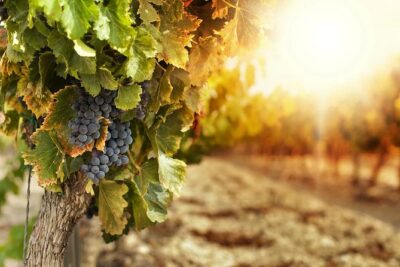
Guided Small-Group Tour to Baalbek, Anjar and Ksara with Lunch
Read our review →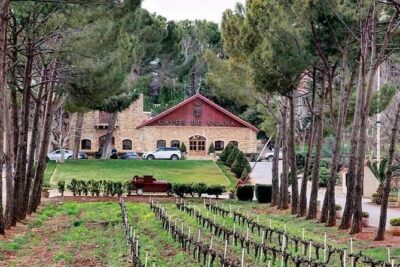
Anjar, Baalbek & Ksara Day Trip – With Lunch (4G on Board)
Read our review →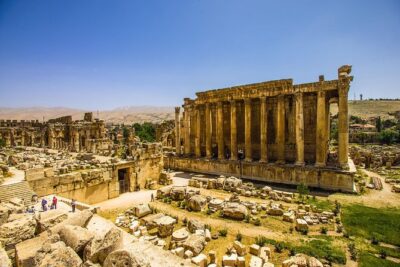
Private Anjar and Baalbek Tour from Beirut with Departure Ticket
Read our review →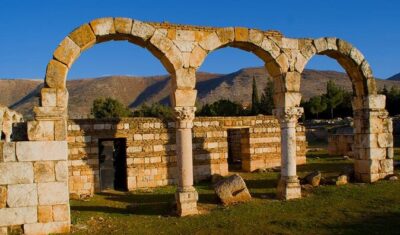
Guided Private Full Day Tour to Baalbek, Anjar and Chateau Ksara
Read our review →
Lebanon tour Baalbek ruins & Ksara w/pick-up, lunch,guide+entries
Read our review →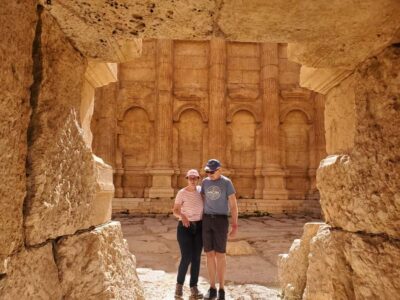
Baalbek Temples & Ksara Caves w/pick-up,guide, entries+lunch
Read our review →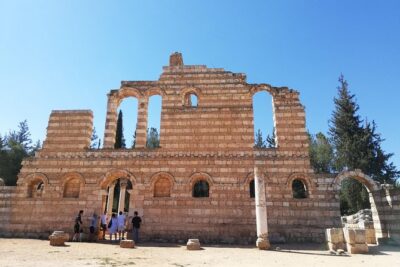
Small Group Tours to Baalbek, Anjar & Chateau Ksara with lunch and Tickets
Read our review →Browse the lists this tour appears in