
Review · TRIPOLI TOURS
Tripoli City Lebanon Trip
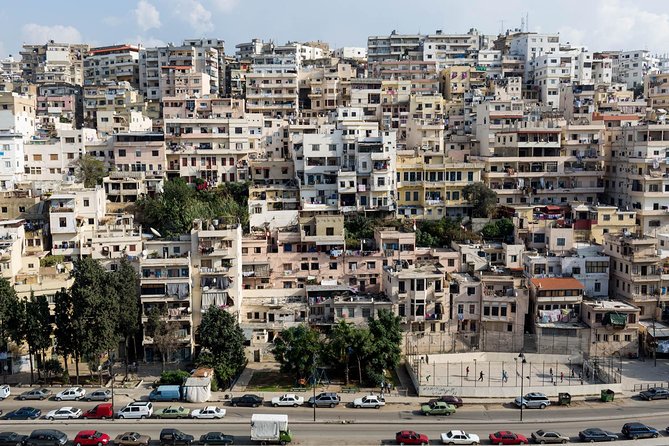
Tripoli rewards curious day-trippers. From Beirut, this eight-hour outing takes you into northern Lebanon for old railway history, Mamluk buildings, market life, and the Citadel of Raymond de Saint-Gilles. I like the mix of major sights and ordinary city scenes, especially the chance to see the old market and a traditional soap factory rather than spending the whole day behind a coach window. I also like that hotel pickup, drop-off, parking, and an air-conditioned vehicle are included.
The main consideration is that lunch and entrance fees are extra, and the cancellation policy is strict. The tour costs $45 per person, which is a fair price for transport and a driver from Beirut, but you should bring additional money for food and admissions. The small maximum group of 15 also helps keep the day manageable.
In This Review
- Key points at a glance
- Why Tripoli makes a strong day trip from Beirut
- The ride north from Beirut
- The abandoned Tripoli railway station
- The Great Mosque and Tripoli’s old souk
- The Citadel of Raymond de Saint-Gilles
- A traditional soap factory in the old city
- Food and the extra cost of lunch
- How much value do you get for $45?
- Who should choose this Tripoli experience?
- Practical advice for making the day work
- Should you book the Tripoli City Lebanon Trip?
- FAQ
- Where does the Tripoli tour begin?
- What time does the tour start?
- How long does the experience last?
- Does the tour return to Beirut?
- How far is Tripoli from Beirut?
- What transportation is included?
- Is a guide included?
- Are meals included?
- Are entrance fees included?
- How large is the group?
- Is the tour refundable if I cancel?
Key points at a glance
- Tripoli is 85 kilometers north of Beirut: The tour gives you a practical way to visit Lebanon’s second-largest city without arranging your own transport.
- The abandoned railway station dates from 1911: It once connected Tripoli with Homs and later linked with Beirut’s Mar Mikael station.
- The Great Mosque sits in the old souk: This Mamluk-era building places you right beside Tripoli’s working commercial center.
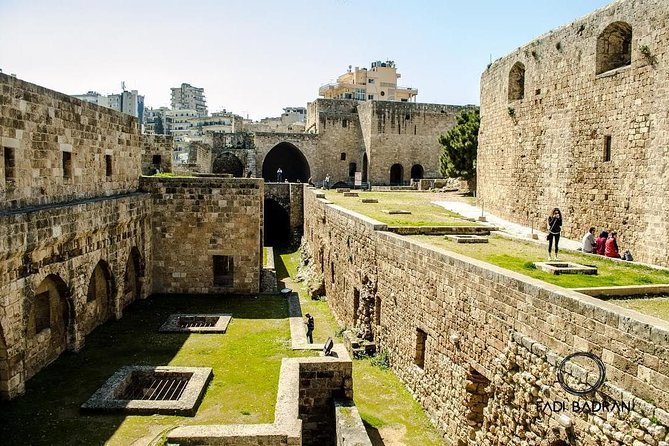
- The Citadel of Raymond de Saint-Gilles is the big historic stop: Built in 1103, it offers the clearest look at Tripoli’s Crusader past.
- A soap factory adds a local craft stop: It gives the day a useful connection to traditional production, not just monuments.
- The guide brings local warmth: The English and Arabic-speaking driver is described as punctual, hospitable, and helpful with local food.
Why Tripoli makes a strong day trip from Beirut
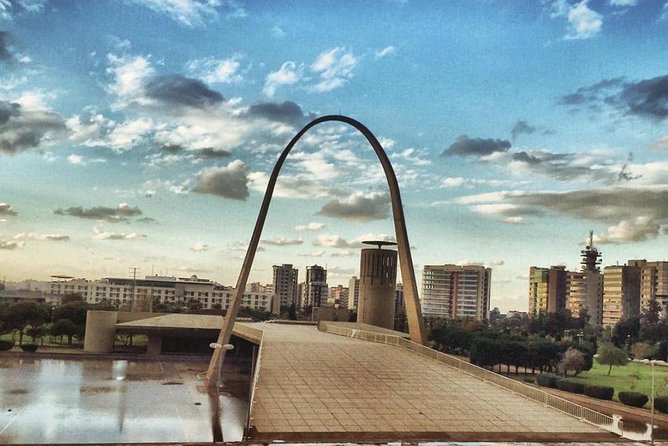
Tripoli feels like a worthwhile change of pace from the capital. It is Lebanon’s largest city in the north and the country’s second-largest city, located about 85 kilometers from Beirut. The drive takes up much of the day’s shape, so pickup and drop-off matter here. You avoid the trouble of finding your own route, parking, and return transport.
I like that this is not simply a fortress visit. Tripoli’s appeal comes from the way several layers sit close together: an abandoned railway line, Mamluk religious architecture, a working market, a Crusader citadel, and local soap production. You get a more rounded picture of the city than you would from a single historic monument.
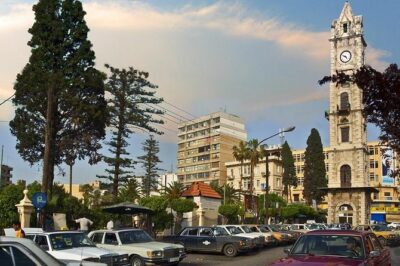
The city is also known for its large amount of Mamluk architectural heritage, second only to Cairo. That makes the Great Mosque and old souk especially important. You are not just checking off a building. You are seeing how historic architecture remains tied to daily commerce.
The tour begins at 8:30 am and lasts about eight hours. That gives you a full day, including the road between Beirut and Tripoli. I would choose this trip when I wanted a structured introduction to the city without committing to an overnight stay.
More trips north to Tripoli:
- PRIVATE city Tour of authentic Tripoli and vibrant Batroun
★ 5.0 · 51 reviews - Guided Small-Group Tour to Tripoli and Batroun with Lunch
★ 5.0 · 16 reviews - Full day Tripoli private great guide/all-in + rustic meal
★ 5.0 · 7 reviews
The ride north from Beirut
Pickup is offered in Beirut, and the experience ends back at the meeting point. The included air-conditioned vehicle is a practical comfort, particularly because this is a long day with several stops. Hotel pickup and drop-off also remove one of the more annoying parts of a day trip: working out where to meet a vehicle in an unfamiliar city.
The driver speaks English and Arabic. That is useful for basic communication, directions, and local context, though the information provided does not identify the driver by name or describe a separate licensed guide. You should think of this as a guided driving experience with a local English and Arabic-speaking driver, rather than a formal museum-style tour.
The vehicle can carry a maximum of 15 people. That is not an intimate private tour, but it is smaller than a large coach group. A smaller group can make pickup easier and give you a better chance to hear explanations at the stops.
Parking fees are included. That detail may sound minor, but it helps keep the advertised price more honest. You are less likely to face surprise transport costs during the day. Lunch and entrance fees are not included, so plan your budget accordingly.
The abandoned Tripoli railway station
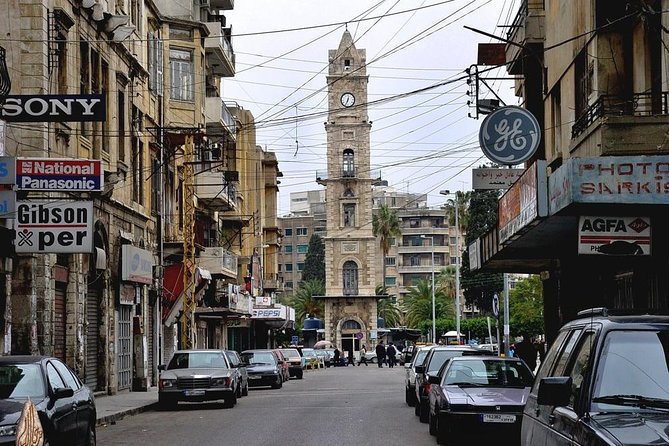
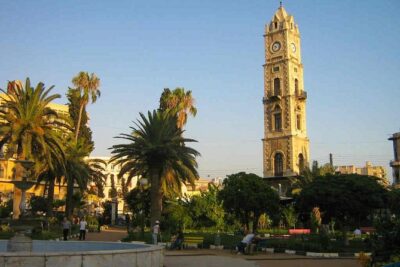
The first stop is Tripoli’s abandoned train station, which began operating in 1911. The station was connected to Homs in Syria by a single track, and in the 1920s, 1930s, and 1940s it formed the terminus of the Orient Express line.
That detail gives the station unusual importance. The building is not simply an old transport site. It connects Tripoli with a much wider railway story, when long-distance rail lines linked cities across the region and the Orient Express carried an air of international travel.
Tripoli station was later connected to Beirut’s central station at Mar Mikael in 1945. I like this stop because it shows a side of Lebanon that can be missed when a tour focuses only on ancient and medieval monuments. The railway also gives you a sense of how Tripoli once fitted into a larger network.
The station is abandoned, so you should not expect a polished railway museum or a fully restored attraction. Its value is atmospheric and historical. Your time here may depend on access and local conditions, and the provided details do not promise a formal interior tour or a collection of exhibits.
Still, it is an effective opening stop. You begin with the remains of a modern transport system, then move into the older city.
The Great Mosque and Tripoli’s old souk
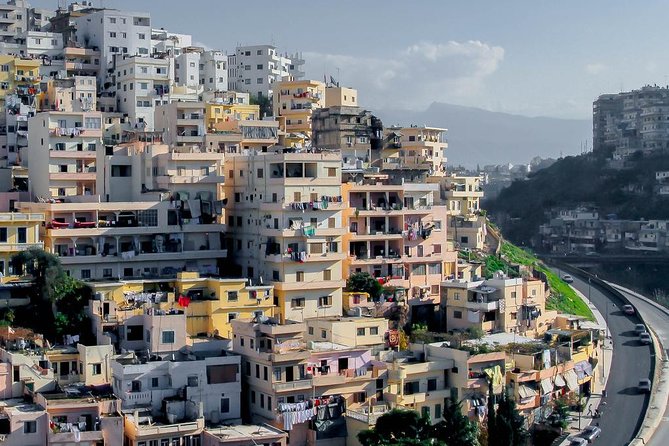
Next comes the old souk, or market, where you visit the Great Mosque of Tripoli. The mosque was built during the Mamluk period, when Tripoli developed much of the architecture for which it is known today.
This part of the tour should feel more immediate than a stand-alone monument visit. The market is a working place where people sell merchandise, so you can see the city in use rather than only as a historical display. I like this kind of stop because it gives you a chance to observe everyday trade, movement, and local routines.
The Great Mosque provides the architectural focus. Its Mamluk setting gives you a direct link to Tripoli’s medieval past, while the surrounding market shows that the old center is not frozen in time. The two belong together.
You should dress and behave respectfully around the mosque. The available details do not state a specific dress code, opening schedule, or whether every part of the building is accessible during the visit, so keep your expectations flexible. Your driver or guide can help explain what is possible on the day.
The market is also where you may want to slow down. Do not treat it as a quick walk between the vehicle and the next stop. Look at the shopfronts, the goods, and the way the commercial space works around historic buildings. This is one of the tour’s best chances to experience Tripoli as a living city.
A few more trips out of Beirut worth a look
- Guided Small-Group Tour to Baalbek, Anjar and Ksara with Lunch
★ 5.0 · 511 reviews - Guided Small-Group Tour to Jeita, Harissa, Byblos with Lunch
★ 5.0 · 361 reviews - Paragliding Trip Over Lebanon – Jounieh Bay
★ 5.0 · 257 reviews - First Paragliding Club in Lebanon – Since 1992
★ 5.0 · 193 reviews
The Citadel of Raymond de Saint-Gilles
The Citadel of Raymond de Saint-Gilles is the day’s major historic landmark. It was built by Raymond de Saint-Gilles, governor of Tripoli, in 1103, and it is described as the largest Crusader fortress in Lebanon.
The date and scale give the citadel a strong place in the city’s story. After seeing the railway station and the Mamluk mosque, you reach a monument tied to the Crusader period. The result is a useful sequence: modern regional connections, Mamluk urban life, then Crusader military history.
I would give the citadel your full attention, even if the stop is not the longest part of the day. Large fortifications are easier to understand when you think about their purpose. Walls, elevated positions, and heavy construction all point to control and defense, not decoration.
Entrance fees are not included. The supplied information does not give the admission amount, so you should keep some money ready and confirm the current fee before entering. The tour includes parking, but that does not cover access to paid sights.
The citadel is also a good place to ask questions. The driver may provide context, but the exact depth of the commentary can vary because the experience is led by an English and Arabic-speaking driver rather than a named specialist guide. If you want detailed military or architectural analysis, ask early and make your interests clear.
A traditional soap factory in the old city
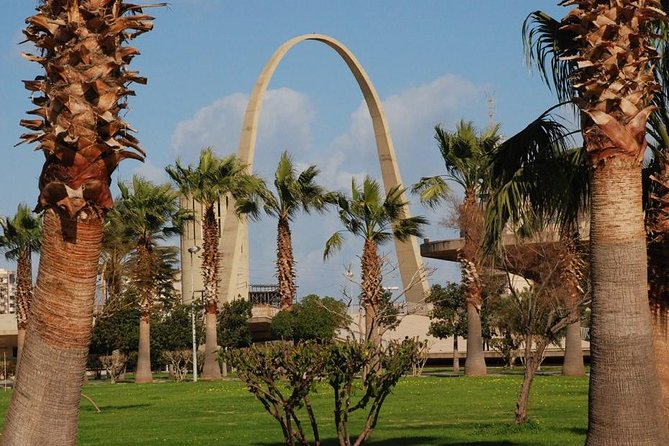
The itinerary continues to a soap factory. This is a welcome addition because it shifts the focus from rulers and fortresses to a local craft.
The supplied information does not give the factory’s name, production method, shop policy, or the length of the stop. You should therefore expect a brief local industry visit rather than assume a full workshop or hands-on class. The value is in seeing a traditional product connected with Tripoli’s commercial life.
I like the balance here. Historic sights can tell you who controlled a city, but a craft stop can show how local work and trade continue. It also gives you something different to look at after the citadel and mosque.
If you are interested in buying soap, ask about prices and payment before committing. The tour information does not state that purchases are included or required. Treat shopping as optional unless your driver explains otherwise.
Food and the extra cost of lunch
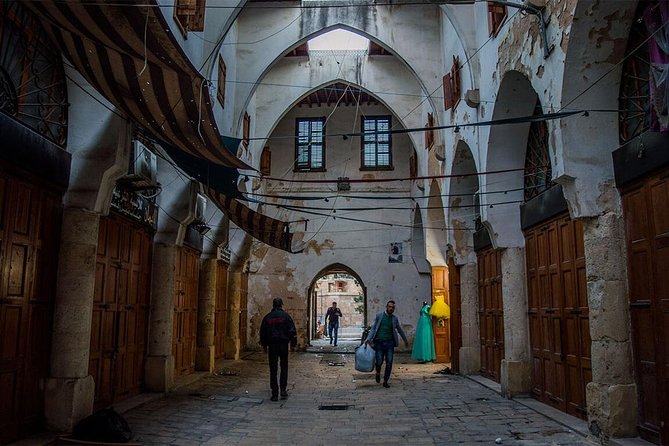
Lunch is not included, but the day gives you a chance to try a traditional Tripoli dish. One especially enthusiastic account describes the local food as outstanding, so this is not a place to assume that the meal is merely a way to fill time.
The exact restaurant, dish, and lunch price are not provided. That means you should ask the driver what is planned before ordering and keep enough Lebanese currency or an accepted payment method available. The $45 tour price covers the vehicle, pickup and drop-off, driver, and parking, not your meal.
I see the separate lunch cost as reasonable. Keeping food outside the tour price lets you choose what you want, but it also means the final cost will be higher than the headline figure. The same applies to entrance fees.
A practical budget might include the $45 tour price plus lunch and any admissions. Because the cancellation policy is non-refundable and changes are not allowed, confirm your plans before booking.
How much value do you get for $45?
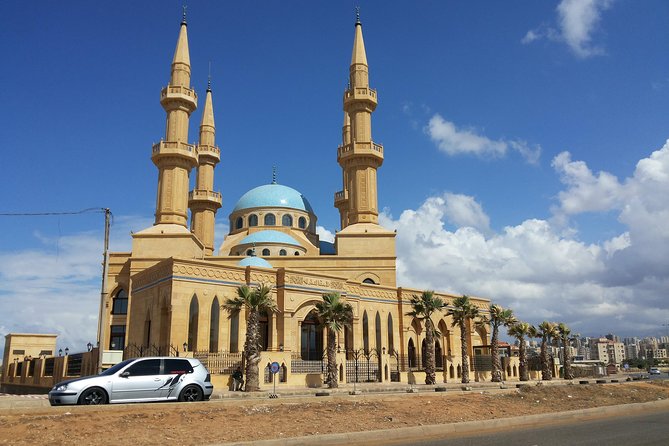
At $45 per person, this trip offers good value if you want transport from Beirut and a broad introduction to Tripoli. You are paying for an air-conditioned vehicle, Beirut hotel pickup and drop-off, an English and Arabic-speaking driver, parking, and a full day of sightseeing.
The value is strongest for people who do not want to arrange the route themselves. A private taxi or self-organized day could involve more planning, uncertain parking, and separate negotiation for return transport. This tour puts those basic pieces into one booking.
The price is less of a bargain if you want a private, highly specialized history tour. The maximum group size is 15, and no named guide or detailed specialist commentary is promised. You may get a friendly local introduction rather than a lecture on every architectural detail.
Group discounts are offered, though no discount amount is stated. If you are traveling with friends or family, ask for the group price before booking. For solo visitors, the standard per-person rate is easier to assess.
The tour is booked, on average, 13 days in advance. That suggests planning ahead is sensible, particularly if your Beirut schedule is tight. Availability can change, so I would not leave this until the last morning of your trip.
Who should choose this Tripoli experience?
I would recommend it to you if you want to see several sides of Tripoli in one day and prefer having transport arranged. It suits first-time visitors to northern Lebanon, history fans who want both Crusader and Mamluk sites, and anyone interested in markets and local production.
It is also a good fit if you value personal hospitality. The guide is described as very friendly and welcoming, and the driver’s English and Arabic make basic communication easier. A traditional local dish can become one of the day’s highlights.
You may want a different option if you need a fully private schedule, exact meal arrangements, wheelchair information, or a detailed specialist guide. Those features are not stated here. The itinerary also includes several historical stops, so visitors who prefer a slow food or shopping day may find the pace a little structured.
Most travelers can participate, according to the supplied tour information. Still, no detailed accessibility information is provided for the abandoned station, market, mosque, citadel, or factory. If stairs, uneven ground, or long walking stretches are a concern, ask before booking.
Practical advice for making the day work
Start with a light breakfast because pickup is at 8:30 am and lunch timing is not stated. Bring water, comfortable shoes, and money for food and entrance fees.
Keep your schedule open for the full eight hours. The route includes the drive from Beirut, several stops in Tripoli, and the return journey. Traffic and time spent at the market may affect the exact timing.
Use the market visit well. Take in the merchandise and daily activity, but remember that this is a working commercial area. Ask before photographing people, shops, or religious spaces.
At the citadel, listen for the basic story of Raymond de Saint-Gilles and the fortress’s role in Tripoli. At the railway station, connect the 1911 opening and Orient Express link with the later 1945 connection to Beirut. These details make the stops more meaningful than simply taking photographs.
Finally, confirm what is included before you leave Beirut. Pickup, drop-off, parking, and the vehicle are covered. Lunch and admissions are not.
Should you book the Tripoli City Lebanon Trip?
Yes, I would book it if you want a straightforward, fairly priced day from Beirut that combines major sights with local city life. The old railway station, Great Mosque, market, citadel, and soap factory create a varied route, while the friendly guide and included transport keep the day simple.
I would be cautious only if you need a private itinerary, guaranteed detailed guiding, or a fully itemized final price. For most visitors, the $45 base cost is strong value, provided you budget separately for lunch and entrance fees and accept the strict non-refundable terms.
FAQ
Where does the Tripoli tour begin?
The tour begins in Beirut, Lebanon, with pickup offered.
What time does the tour start?
The stated start time is 8:30 am.
How long does the experience last?
The full experience lasts approximately eight hours.
Does the tour return to Beirut?
Yes. The day trip ends back at the meeting point in Beirut.
How far is Tripoli from Beirut?
Tripoli is approximately 85 kilometers, or 53 miles, north of Beirut.
What transportation is included?
An air-conditioned vehicle is included, along with hotel pickup and drop-off.
Is a guide included?
An English and Arabic-speaking driver is included. The provided information does not identify a separate guide by name.
Are meals included?
No. Lunch is not included in the tour price.
Are entrance fees included?
No. Entrance fees are not included.
How large is the group?
The activity has a maximum of 15 travelers.
Is the tour refundable if I cancel?
No. The experience is non-refundable and cannot be changed for any reason.
Newest Beirut reviews
- Wine Tasting Tour★ 5.0 · 2 reviews
- Journey Through Time: Half-Day Private Tour to Baalbek★ 5.0 · 3 reviews
- Lebanon’s Treasures: Jeita Grotto and Harissa Private Tour★ 5.0 · 2 reviews
- Traveling Spoon Lebanese Mezze Private Online Cooking Class★ 5.0 · 4 reviews
- Wine Tasting and Culture★ 5.0 · 3 reviews
- Small Group Tour to Baalbek, Anjar & Ksara with Hotel pickup★ 5.0 · 2 reviews
- Small Group Tours to Jeita Grotto and Byblos with tickets★ 5.0 · 3 reviews
- Small-Group Tour with Lunch to Baalbek, Anjar and Ksara★ 5.0 · 3 reviews
Tripoli Tours, compared.
PRIVATE city Tour of authentic Tripoli and vibrant Batroun
Read our review →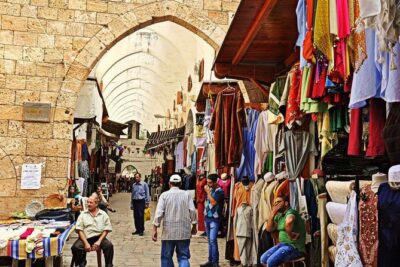
Guided Small-Group Tour to Tripoli and Batroun with Lunch
Read our review →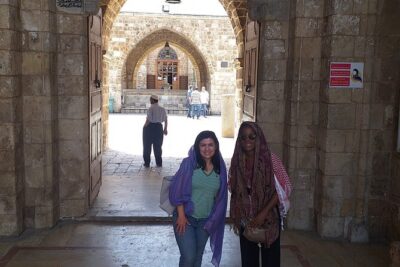
Full day Tripoli private great guide/all-in + rustic meal
Read our review →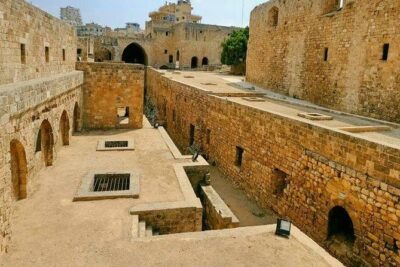
Private Full-Day Tour to Byblos and Tripoli from Beirut
Read our review →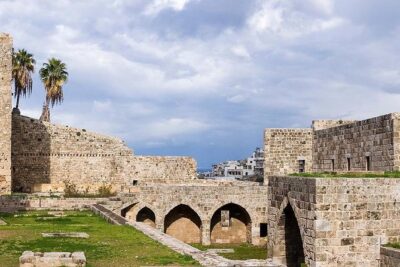
Guided Full-Day Private Trip to Tripoli from Beirut
Read our review →Browse the lists this tour appears in