
Review · TRIPOLI TOURS
PRIVATE city Tour of authentic Tripoli and vibrant Batroun
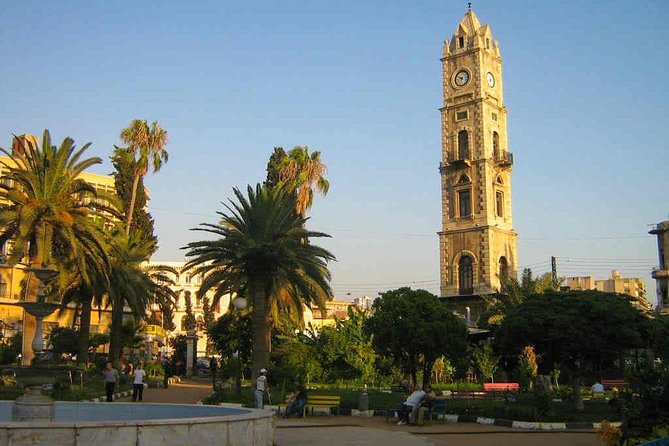
Lebanon’s north rewards curious visitors. This Tripoli and Batroun day tour pairs two very different places: Tripoli’s working souks and medieval fortress with Batroun’s old coastal lanes and Phoenician wall. I like the strong mix of food and history, especially the visit to Hallab 1881, and I like that hotel pickup and drop-off remove a fair amount of transport hassle.
I also appreciate the guide-led approach. Dave, also called David in the feedback, is repeatedly praised for clear English, humor, local knowledge, and personal stories about Lebanon. The main point to consider is the pace: six to seven hours includes driving, walking, sightseeing, and a sweets stop, so you should expect a full day rather than a slow coastal outing.
In This Review
- Key points at a glance
- Why this northern Lebanon pairing works
- Batroun’s Phoenician wall and coastal character
- Entering Citadel Saint Gilles in Tripoli
- Tripoli’s souks, craftsmen, and everyday rhythm
- Hallab 1881 and Tripoli’s serious pastry culture
- Dave’s guiding style and the value of local context
- Timing, comfort, and what to bring
- Who will get the most from this tour
- Should you book the Tripoli and Batroun day tour?
- FAQ
- What is the price of the Tripoli and Batroun tour?
- How long does the experience last?
- What time does the tour start?
- Is hotel pickup included?
- Is lunch included in the price?
- How large can the group be?
- What level of fitness is required?
- What is the cancellation policy?
Key points at a glance
- Tripoli feels markedly different from Beirut: The old souks offer a look at daily commerce, crafts, food, and architecture away from the capital’s international side.
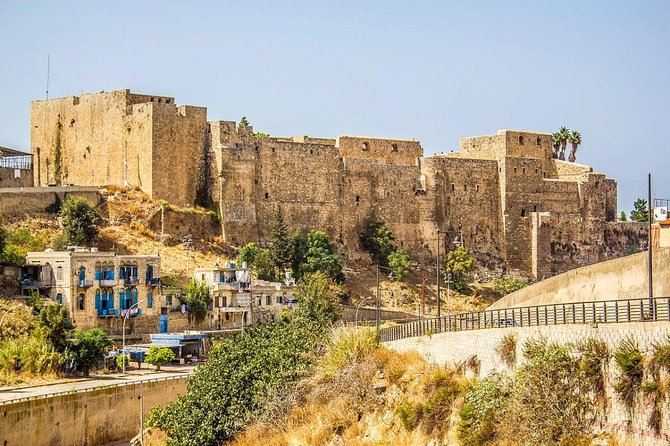
- Saint Gilles Citadel adds a major historical stop: You get about an hour at the Crusader fortress, including its imposing entrance, information panels, and small museum.
- Hallab 1881 is more than a quick tasting: A chef can explain the different Lebanese pastries and flavors, with baklava only one part of the selection.
- Batroun supplies the seaside contrast: Its Phoenician wall, old streets, beaches, cafés, breweries, and wineries create a gentler finish to the day.
- The small group format matters: The maximum is 15 people, and the guide has shown flexibility with individual requests.
- Bring water and sun protection: You will walk outdoors in potentially hot conditions, and one past visitor specifically found the walking demanding in high temperatures.
Why this northern Lebanon pairing works
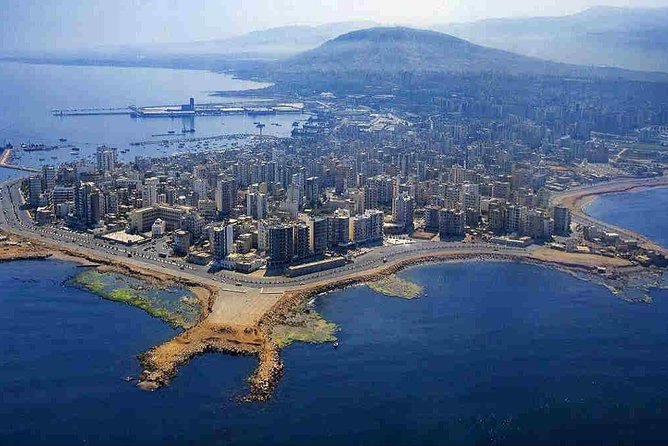
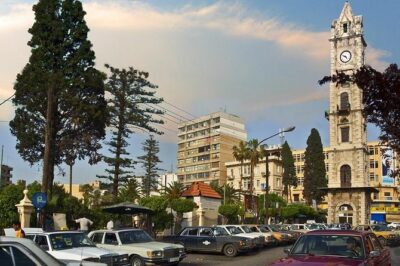
Tripoli and Batroun make a useful pair because they show two sides of northern Lebanon in one outing. Tripoli is a major urban center with a strong local identity, crowded commercial lanes, and layers of Crusader, Mamluk, Ottoman, and modern history. Batroun is smaller and more relaxed, with its coastal setting and remains of Phoenician construction.
I like this contrast more than a day spent visiting several similar ruins. You begin with the energy of a working city, move through a fortress and a long-established sweets tradition, then finish beside the sea. The day has enough variety to keep the six to seven hours moving.
The tour is described as private, but the operating details also allow for a group of up to 15. That means you should confirm the exact arrangement when booking if having a fully exclusive vehicle is important to you. A small touring bus was praised for comfort, and pickup is offered from your hotel, followed by return to the hotel at the end.
The listed price is $113.34 per person. That is not the cheapest way to see northern Lebanon, but it includes fuel surcharge, local taxes, the driver-guide, and hotel transport. Since lunch is not included, you should budget separately for a midday meal. Group discounts may improve the value for couples, families, or friends booking together.
More trips north to Tripoli:
- Guided Small-Group Tour to Tripoli and Batroun with Lunch
★ 5.0 · 16 reviews - Tripoli City Lebanon Trip
★ 5.0 · 7 reviews - Full day Tripoli private great guide/all-in + rustic meal
★ 5.0 · 7 reviews
Batroun’s Phoenician wall and coastal character
The Batroun stop lasts about 45 minutes and has free admission. That is a short visit, so you should think of it as an introduction rather than a detailed archaeological tour.
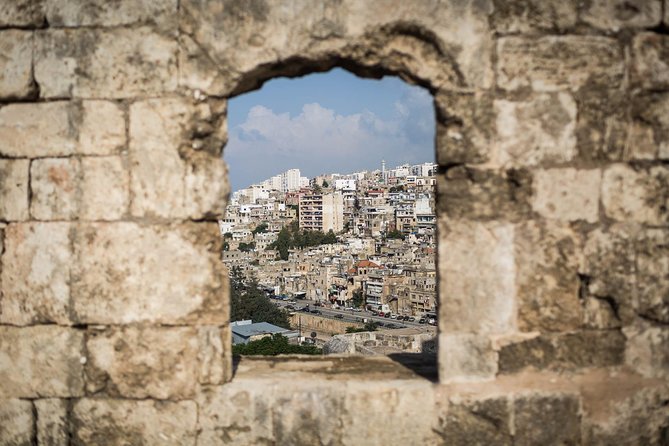
The focus is the Phoenician wall, one of the town’s clearest links to its ancient past. Batroun’s old streets add atmosphere, while the coastal setting gives you a change of pace after the drive and before the more concentrated sightseeing in Tripoli.
The description also points to beaches, bed-and-breakfasts, breweries, and wineries. You may not visit each of these during the 45-minute stop, but they explain why Batroun has a different feel from Tripoli. The town works well as a scenic pause, especially if you enjoy places where old stone, cafés, and seaside life sit close together.
I would not book this tour expecting a long beach break or a winery visit. Those are part of Batroun’s wider character, not listed as separate scheduled activities. Instead, expect a compact look at the old town and Phoenician wall, with time to take in the setting and hear the guide’s explanation.
Entering Citadel Saint Gilles in Tripoli
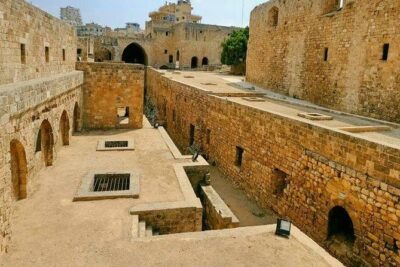
The Citadel Saint Gilles, also known as Qal’at Sinjil, is the tour’s main fortified monument. Allow about one hour here.
The fortress rises above Tripoli and the river. Its origins date to 1103 or 1104, during the Crusader period. It was burned in 1297, then partly rebuilt in the following century by a Mamluk emir. The site remains used by the Lebanese military, an important reminder that this is not simply a preserved monument separated from modern life.
The entrance is the visual high point. You pass through a moat and three gateways, linked to Ottoman, Mamluk, and Crusader periods. That sequence gives the site a useful lesson in how control of Tripoli changed over time.
Inside, information panels and a small museum help organize what you are seeing. I value that practical support because fortress walls can otherwise blur together. Dave’s strength, according to the detailed feedback, is making complicated Lebanese history easier to follow through simple comparisons and personal explanations.
The drawback is that this is not a full archaeological study. You get roughly an hour, not half a day, and some areas may be shaped by the site’s ongoing military use. Still, for a day tour, the citadel offers a strong balance of scale, history, and accessible storytelling.
Wear shoes suitable for uneven ground and bring water. The tour requires a moderate level of fitness, and you will combine walking around the fortress with time on foot in Tripoli’s old quarters.
Tripoli’s souks, craftsmen, and everyday rhythm
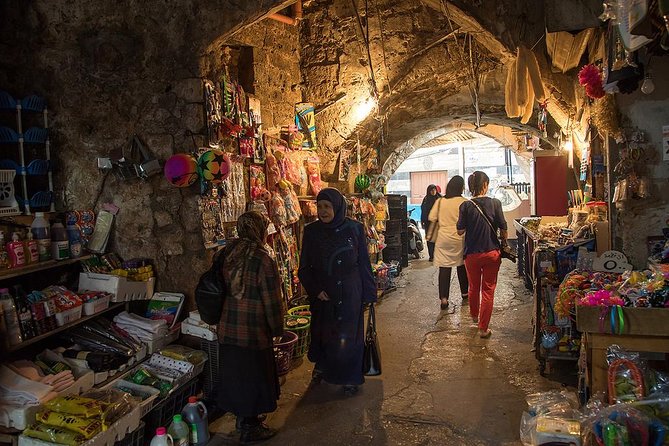
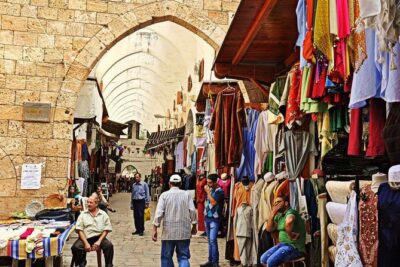
The old souks are where the tour becomes most distinctive. Rather than presenting Tripoli as a string of isolated monuments, the walk places you in the city’s commercial heart.
You can expect narrow lanes, shops, workshops, and the sight of local craftspeople at work. The value here is not only architectural. It is the chance to see a part of the city where trade and making things remain central to daily life.
Tripoli feels different from Beirut. Beirut is more international in tone, while Tripoli offers a more local and less polished city experience. That difference is exactly why I would include this tour in a first visit to Lebanon, particularly if you want to understand how varied the country can feel from one city to the next.
The souks are also the part most affected by heat, crowds, and the day’s pace. One detailed account recommends carrying enough water and using sun protection. If you prefer air-conditioned museums and short walks, this may feel tiring. If you enjoy markets, street scenes, and the occasional surprise around a corner, the walking is likely to be one of the day’s best parts.
The guide makes a major difference here. Dave is praised for explaining not only older events but also recent Lebanese affairs and ordinary life. That combination can help you read the city beyond its walls and storefronts. You are not simply looking at old buildings. You are being given context for why the city feels as it does today.
A few more trips out of Beirut worth a look
- Guided Small-Group Tour to Baalbek, Anjar and Ksara with Lunch
★ 5.0 · 511 reviews - Guided Small-Group Tour to Jeita, Harissa, Byblos with Lunch
★ 5.0 · 361 reviews - Paragliding Trip Over Lebanon – Jounieh Bay
★ 5.0 · 257 reviews - First Paragliding Club in Lebanon – Since 1992
★ 5.0 · 193 reviews
Hallab 1881 and Tripoli’s serious pastry culture
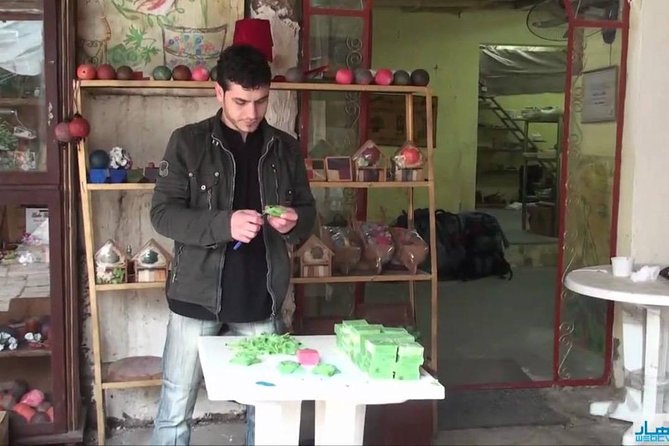
The stop at Qasr al-Halawiyat Hallab 1881 lasts about an hour and includes admission. The family business began in 1881, when skilled chefs started a large sweets factory in Tripoli.
This is one of the tour’s smartest inclusions. Lebanese sweets are not treated as a minor snack at the end of a sightseeing day. They are part of Tripoli’s identity and culinary craft.
You can taste a broad range of pastries and flavors, not just baklava. The chef is available to explain individual items, which makes the stop more useful than simply walking into a shop, choosing a box, and leaving. If you are unfamiliar with Lebanese pastry, this is a chance to learn what you are tasting and why the textures and ingredients differ.
The hour gives you time to sample at a comfortable pace, although the exact tasting experience may depend on the day and the group. You may also find yourself wanting to buy sweets to take home. Leave room in your bag, but remember that the tour price does not include lunch or any personal purchases.
Several detailed accounts treat the sweets as a highlight, and I can see why. Food gives the day a memorable, hands-on element. After a morning of fortifications and old streets, a pastry stop offers a welcome change and a direct connection to Tripoli’s living traditions.
Dave’s guiding style and the value of local context
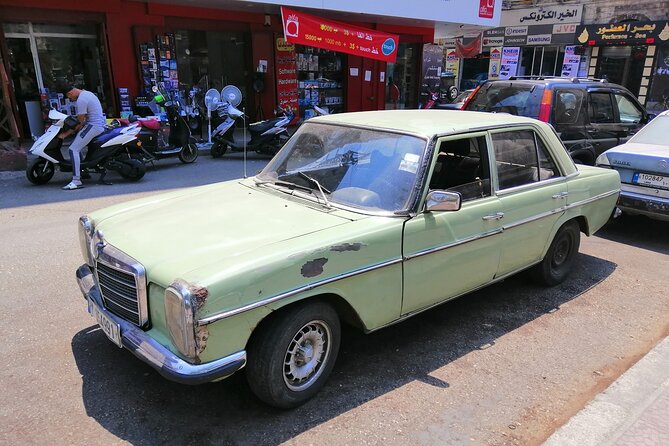
The strongest praise centers on Dave, who serves as driver and guide. He is described as outgoing, funny, attentive, patient, flexible, and deeply committed to explaining Lebanon. Clear English is also noted, which matters when the subject includes complicated political and historical changes.
His approach appears to go beyond memorized dates. You may hear about Lebanese daily life, recent events, and his own experiences. One person even enjoyed a musical performance during the drive back to Beirut, reflecting the personal tone that can develop on a small-group outing.
That personal connection is a real part of the value here. Northern Lebanon can be hard to interpret from monuments alone. A local guide can explain why a place matters, how the past connects to current life, and why Tripoli should not be reduced to a quick photo stop.
There is also evidence of flexibility. When a requested attraction was raised before the outing, Dave was able to make it happen. That does not mean every extra request can be added, but it is worth sharing your priorities in advance.
One unusual case involved the guide continuing with a solo participant after the rest of the group canceled. That suggests a strong effort to deliver the experience, though minimum numbers are still listed as a condition of operation. Do not assume a solo departure is guaranteed. Confirm availability if your plans depend on it.
Timing, comfort, and what to bring
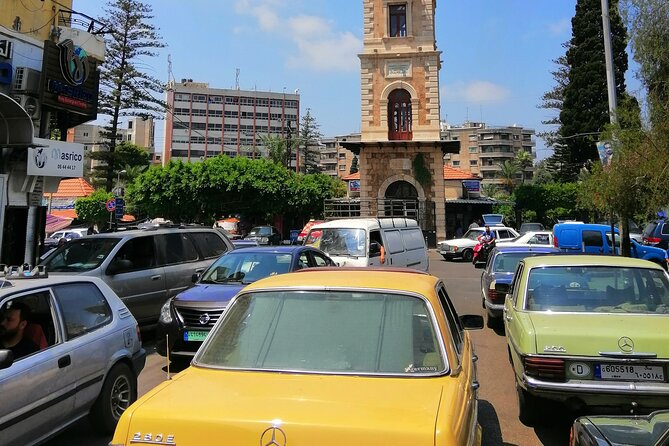
The scheduled start is 9:00 a.m., with a total duration of approximately six to seven hours. The timing leaves room for the northern stops and the return to Beirut, but traffic and the length of discussions can affect the final arrival time.
Hotel pickup and drop-off are included. This is useful in Lebanon, where arranging a private car, finding parking, and navigating unfamiliar city streets can add stress and cost. Fuel surcharge and local taxes are also included, so the listed price is easier to judge than a fare that grows through add-ons.
You should dress smart casual, as requested, while also choosing practical clothing for walking. Comfortable shoes, water, sunscreen, and a hat make sense. The moderate fitness requirement is worth taking seriously because the day combines old-city walking, a fortress visit, and time outdoors.
The group maximum of 15 keeps the experience smaller than a large coach excursion. Still, the word private may mean different things to different buyers. If you want the guide entirely to yourself, ask whether your booking is exclusive or part of a small shared departure.
Free cancellation is available up to 24 hours before the start time for a full refund. Cancellations or changes made within 24 hours are not refunded or accepted, and the cut-off follows local time.
Who will get the most from this tour
I would recommend this outing to you if you want history explained in plain language, enjoy food as part of sightseeing, and prefer seeing a less international side of Lebanon. It suits first-time visitors based in Beirut who want a northern day without arranging several separate transfers.
It is also a good choice for solo visitors. The small vehicle, hotel pickup, and guide-led format reduce the practical burden of going north alone. The warm feedback from a woman traveling alone is especially relevant if you are weighing comfort and professionalism.
Families and groups should ask about the available group discount. The mix of fortress, markets, sweets, and seaside streets gives different ages something to enjoy, though younger children may find the walking and historical explanations long.
I would think twice if your priority is a long lunch, extensive time in Batroun, or a relaxed beach day. Lunch is not included, Batroun receives only about 45 minutes, and most of the day’s substance comes from Tripoli’s old city and citadel.
Should you book the Tripoli and Batroun day tour?
I would book it if you want a well-rounded northern Lebanon day with strong local interpretation. The price is reasonable for hotel transport, a driver-guide, fuel charges, taxes, the citadel, and the Hallab visit, though you still need to pay for lunch and personal purchases.
The best reason to choose this outing is the guide’s role. Dave is repeatedly described as passionate, clear, flexible, and attentive, and those qualities matter greatly in a place where history and present-day life overlap. Bring water, expect walking, and ask about the private group arrangement before paying.
Choose this tour for context, old markets, fortress walls, and excellent sweets. Skip it only if you want a slow resort-style day on the coast.
FAQ
What is the price of the Tripoli and Batroun tour?
The listed price is $113.34 per person. Group discounts are available.
How long does the experience last?
The tour lasts approximately six to seven hours.
What time does the tour start?
The scheduled start time is 9:00 a.m.
Is hotel pickup included?
Yes. Hotel pickup and drop-off are included.
Is lunch included in the price?
No. Lunch is not included.
How large can the group be?
The activity has a maximum of 15 travelers.
What level of fitness is required?
A moderate level of physical fitness is required because the day includes walking and outdoor sightseeing.
What is the cancellation policy?
You can cancel at least 24 hours before the start time for a full refund. Cancellations or changes made less than 24 hours before the start time are not accepted and are not refunded.
Newest Beirut reviews
- Wine Tasting Tour★ 5.0 · 2 reviews
- Journey Through Time: Half-Day Private Tour to Baalbek★ 5.0 · 3 reviews
- Lebanon’s Treasures: Jeita Grotto and Harissa Private Tour★ 5.0 · 2 reviews
- Traveling Spoon Lebanese Mezze Private Online Cooking Class★ 5.0 · 4 reviews
- Wine Tasting and Culture★ 5.0 · 3 reviews
- Small Group Tour to Baalbek, Anjar & Ksara with Hotel pickup★ 5.0 · 2 reviews
- Small Group Tours to Jeita Grotto and Byblos with tickets★ 5.0 · 3 reviews
- Small-Group Tour with Lunch to Baalbek, Anjar and Ksara★ 5.0 · 3 reviews
Tripoli Tours, compared.
Guided Small-Group Tour to Tripoli and Batroun with Lunch
Read our review →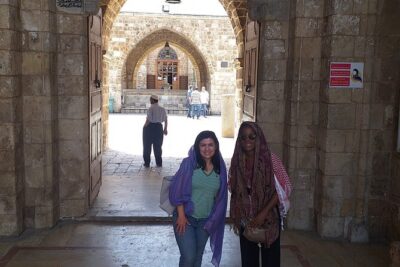
Full day Tripoli private great guide/all-in + rustic meal
Read our review →
Private Full-Day Tour to Byblos and Tripoli from Beirut
Read our review →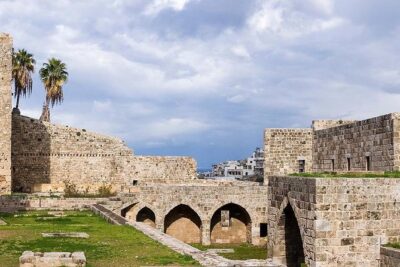
Guided Full-Day Private Trip to Tripoli from Beirut
Read our review →Browse the lists this tour appears in