
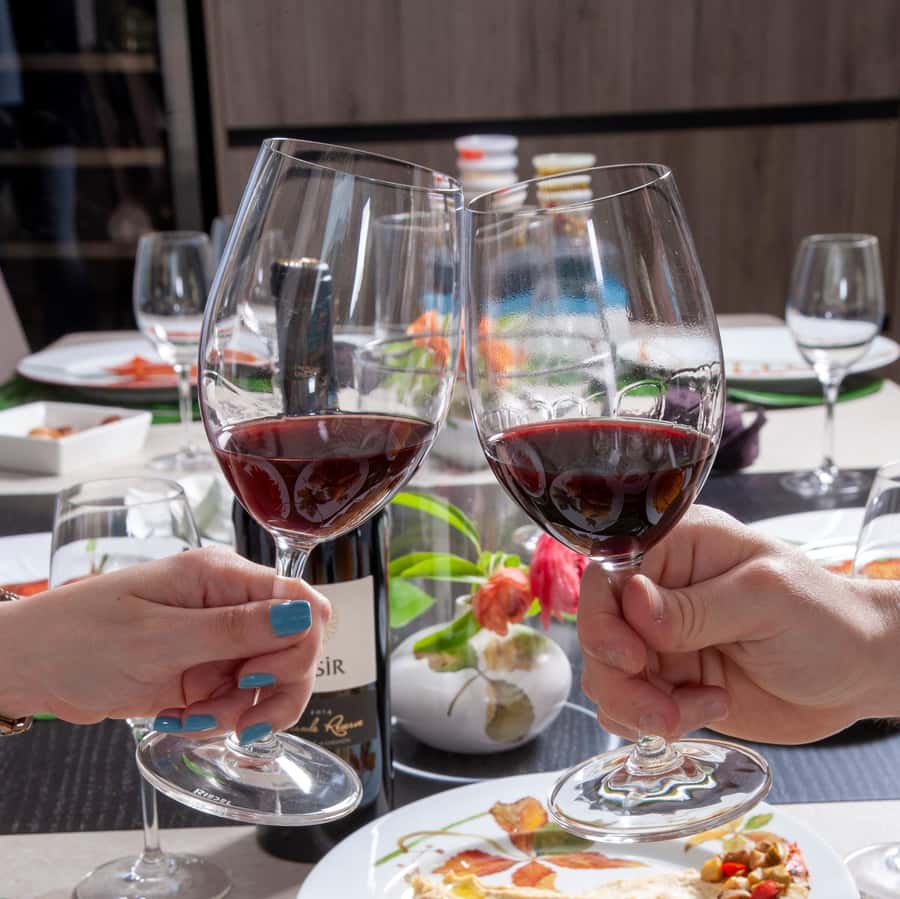
Review · WINE TOURS
Lebanese wineries guided tour with tastings & lunch
Wine country begins beyond Beirut. This full-day private outing takes you into Lebanon’s Bekaa Valley, where you can tour working wineries, taste red, white, and rosé wines, and learn how an ancient wine tradition remains active today. I like the combination of guided winery visits and a traditional Lebanese lunch. I also like having hotel pickup and drop-off included, since the Bekaa Valley is not a simple place to reach on your own.
The main point to check before booking is the exact stop list. The tour description names Château Kefraya and Château Ksara, while the detailed schedule lists Château Kefraya, Château Rayak, and Château St Thomas. A past day also included the Colonel Brewery, Phoenix Winery, and Ixsir. Ask the operator to confirm the current route, lunch location, and tasting lineup before you pay.
In This Review
- Key Points At A Glance
- Why Lebanon Is A Serious Wine Destination
- Leaving Beirut For The Bekaa Valley
- Château Kefraya And The First Tasting
- Château Rayak And A More Compact Visit
- Lunch At A Local Restaurant
- Château St Thomas And The Final Pour
- Beer, Arak, And The Broader Lebanese Tasting
- What The $140 Price Really Covers
- Who Will Enjoy This Day Most
- Booking Advice Before You Go
- Should You Book The Lebanese Winery Tour?
- FAQ
- Where does the Lebanese winery tour begin?
- How long does the tour last?
- Which wineries are named in the tour information?
- Is lunch included?
- Are wine tastings included?
- Is craft beer included?
- Is Lebanese arak included?
- Is the tour private?
- What language does the guide speak?
- Can the tour be cancelled for a refund?
Key Points At A Glance
- Bekaa Valley wine country: Visit major Lebanese wineries in one day from Beirut, with the long driving handled for you.
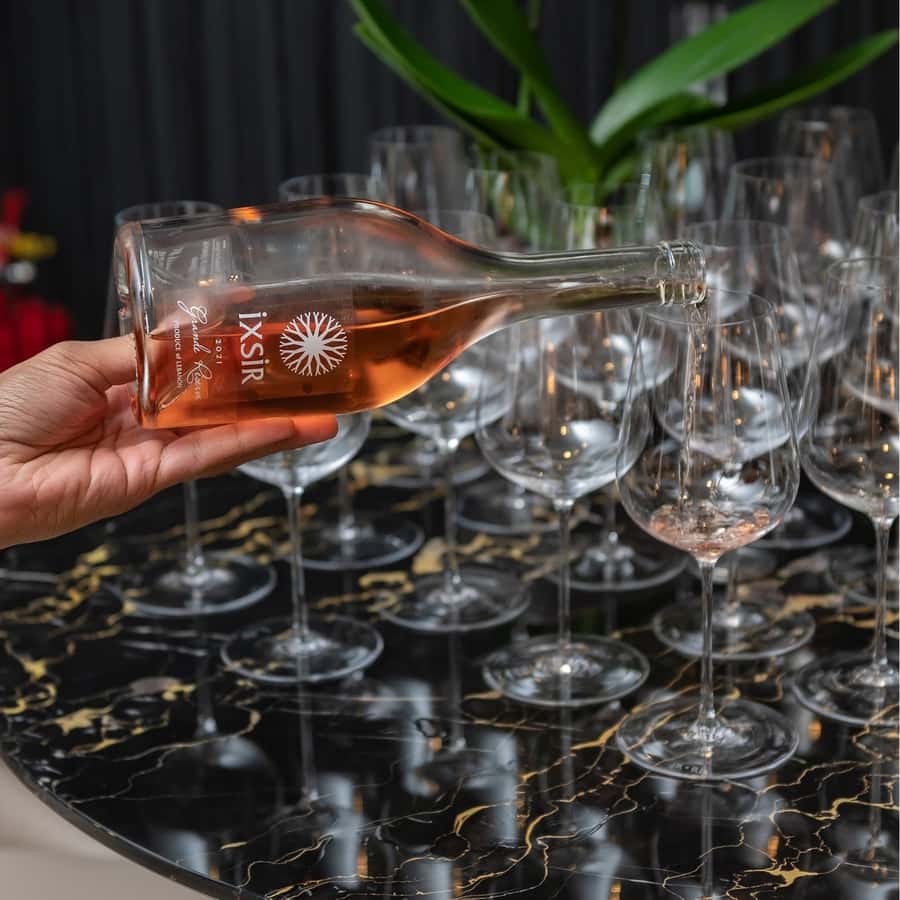
- Several tasting styles: Expect Lebanese red, white, and rosé wines, with arak and craft beer also part of the wider tasting program.
- Winery tours, not just samples: The visits include guided time in winery facilities, caves, or vineyards, depending on the day’s route.
- Private transport: Hotel pickup and drop-off make this easier than arranging separate taxis across the valley.
- Lebanese lunch included: The midday meal gives the tour a local food element rather than making it only about alcohol.
- Flexible booking: The tour is private, conducted in English, wheelchair accessible, and cancellable up to 24 hours before departure for a full refund.
Why Lebanon Is A Serious Wine Destination

Lebanon is one of the oldest wine-producing areas in the world. The Phoenicians who lived along the coast helped spread viticulture and wine culture across the Mediterranean in ancient times. That does not mean every Lebanese winery is ancient, of course. It means modern producers work within a very old regional tradition.
The current wine industry has also grown sharply. Lebanon had only five wineries in 1998, while the number has risen to more than 30. Annual production is about 600,000 cases, a substantial figure for a small country that has dealt with repeated political and economic disruption.
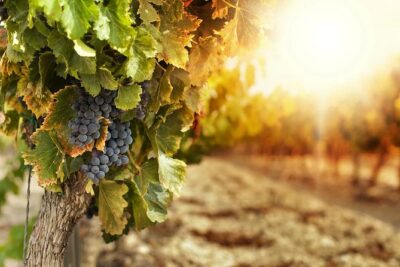
The Bekaa Valley is the center of much of this production. Its position away from the coast gives the wineries a different setting from Beirut, and the valley is home to several of the country’s best-known producers. You are not simply driving to a tasting room for a quick pour. You are seeing the part of Lebanon where wine production is tied to agriculture, family businesses, and long-running local identities.
That background makes the guided element useful. If you only taste the wines, the differences between producers may blur together. A guide can connect the wine in your glass with the caves, vineyards, production buildings, and generations of winemakers you see during the day.
Other Lebanese wine estates worth the drive:
- Guided Small-Group Tour to Baalbek, Anjar and Ksara with Lunch
★ 5.0 · 511 reviews - Anjar, Baalbek & Ksara Day Trip – With Lunch (4G on Board)
★ 4.5 · 181 reviews - Baalbek – Anjar – Ksara Trip From Beirut
★ 4.5 · 80 reviews
Leaving Beirut For The Bekaa Valley
The day begins with pickup in Beirut and ends with a return to the city. Hotel transport is included, which matters here because the schedule covers several places and tasting alcohol makes self-driving a poor choice.
The tour lasts one day, but the route is not a quick city excursion. You should expect a full day of transfers, guided visits, tastings, and lunch. The exact starting time depends on availability, so check the schedule when booking.
A private group gives you more control than a large coach tour. You can ask questions in English, spend a little more time at a particular stop if the schedule allows, and avoid being folded into an oversized group. Still, private does not mean leisurely by default. Three winery visits plus lunch can create a fairly full program, especially with the drive back to Beirut.
One of the strongest parts of the transport service is the driver’s role as an informal guide. During one recorded outing, the driver offered useful information about Beirut and pointed out sights along the route. That is a small detail, but it can make the transfer feel like part of the day instead of dead time between wineries.
Château Kefraya And The First Tasting
Château Kefraya is scheduled for a guided visit lasting about 90 minutes. This is the longest winery stop in the published route, so it should give you enough time for more than a rushed tasting.
You can expect the visit to introduce the winery, its production, and its wines before you sample several varieties. The program is designed to cover Lebanese reds, whites, and rosés, so pay attention to how the styles differ. A guided tasting is more useful when you compare the wines side by side rather than judging each glass in isolation.
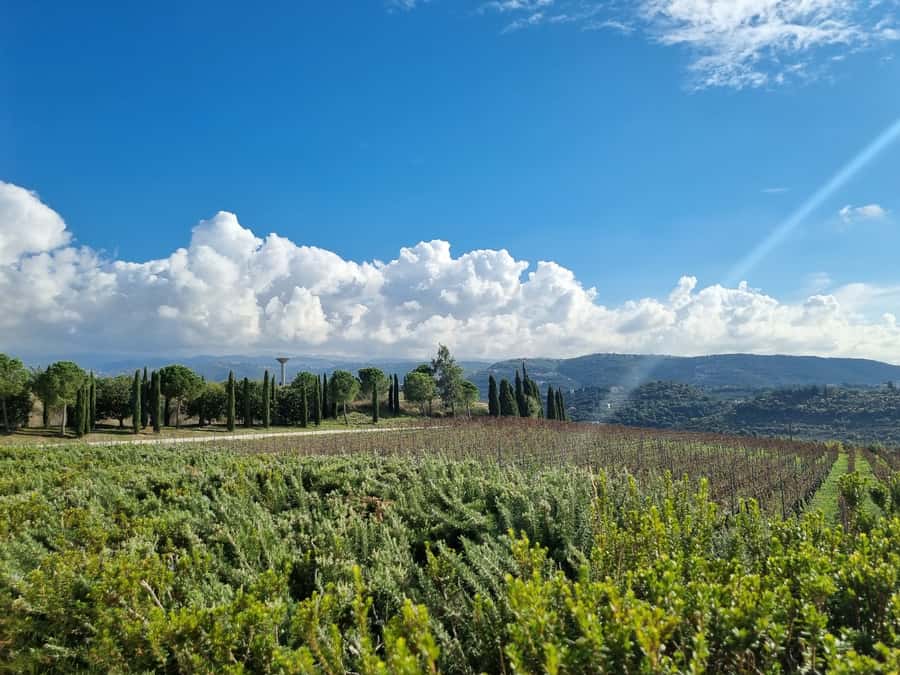
The winery is located in West Bekaa, an area also associated with other major producers. The setting helps explain why the region is central to Lebanese wine. You are seeing the production area itself, not just a branded shop in Beirut.
The practical advantage of beginning with Kefraya is that you have time to settle into the day. You can ask the guide basic questions about Lebanese grapes, winemaking, or the local industry before moving on to the next stop. If you are new to wine tasting, do not worry about using technical language. Focus on what you smell, what you taste, and which wines you actually like.
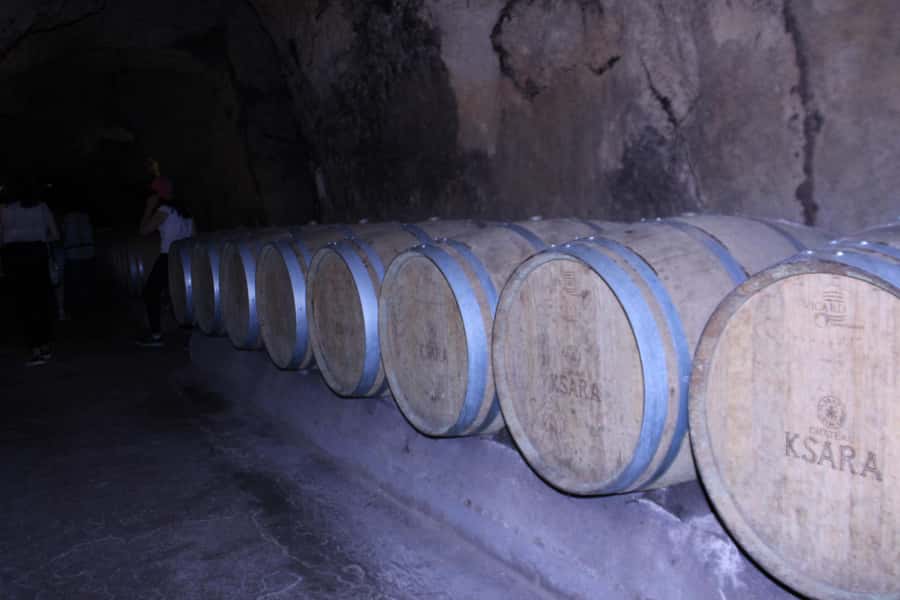
The route description also names Château Ksara as part of the overall winery program, but the detailed stop-by-stop schedule does not list it. Ksara is known for its caves and is specifically described as a possible visit in the general tour information. Confirm whether it replaces another winery or is included in addition to the listed stops.
Château Rayak And A More Compact Visit
The published schedule gives Château Rayak about one hour for a guided tour and tasting. Compared with Kefraya, this is a shorter stop, so the visit will likely feel more focused.
A shorter tasting can be a good change of pace after the first winery. You have already learned the basic rhythm of the tour, and you can concentrate on how this producer’s wines compare with the first selection. Ask about the winery’s place in Lebanon’s wine industry and the kinds of wines being poured.
The schedule does not provide detailed information about the size of Château Rayak, its cave system, or its vineyards. I would not book this tour expecting a specific cellar feature at every stop. The point is the range of producers and the chance to compare them across the valley.
This is also where a private group can help. If a particular wine catches your attention, you can ask for clarification instead of simply moving along with a large crowd. The guide speaks English, and the tour is intended to explain the winemaking process as well as serve drinks.
A few more trips out of Beirut worth a look
- Guided Small-Group Tour to Jeita, Harissa, Byblos with Lunch
★ 5.0 · 361 reviews - Byblos, Jeita Grotto & Harissa Day Trip -With Lunch (4G on Board)
★ 4.5 · 145 reviews - Semi-Private Tour to Jeita Grotto, Harissa & Byblos with Lunch
★ 5.0 · 52 reviews - Sidon, Tyre & Maghdouche Day Trip – With Lunch (4G on Board)
★ 4.5 · 44 reviews
Lunch At A Local Restaurant
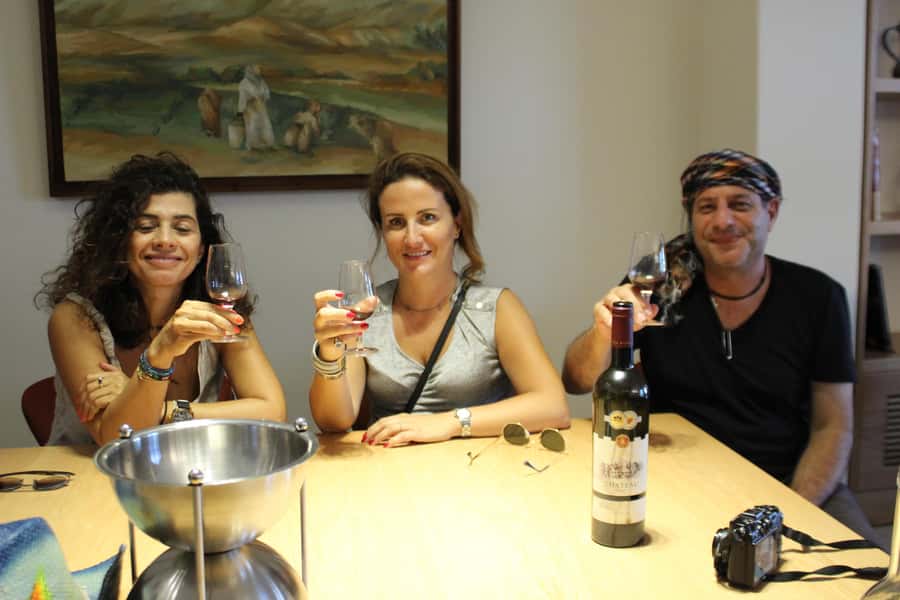
Lunch is included and is described as a traditional Lebanese meal at a local restaurant. You get about one hour for the break.
That hour is important. After two winery visits, a proper meal gives you time to slow down and eat something substantial before the final tasting. It also makes the day feel more connected to Lebanon as a food destination, rather than a series of cellar doors.
Do not assume that lunch takes place at a winery. The detailed schedule lists a local restaurant, while one past outing did not have lunch at the winery even though that option appeared possible. If the setting matters to you, confirm the restaurant location in advance.
The meal is one of the better inclusions in the $140 price because dining separately in an unfamiliar area can take time and planning. It also removes one decision from a busy day. The description does not specify the exact dishes, so you should not book expecting a named menu or a particular regional specialty.
Château St Thomas And The Final Pour
The final listed stop is Château St Thomas, with about one hour for a guided tour and tasting. By this point, you will have sampled wines at two other producers, so this visit works as a final comparison.
A three-winery route can be useful for understanding the range of Lebanese wine. You may find that one producer appeals to you for reds, another for whites, and another for the setting or presentation. The value is not just the total number of pours. It is the chance to see how different wineries present the country’s wine culture.
The description says some tours include guided time inside caves and vineyards. The exact location of that portion depends on the producer visited that day. Do not expect every winery to offer the same format. Some stops may focus more on the cellar, while others may put more attention on the tasting room or production story.
The final tasting also raises a practical point: pace yourself. You do not need to finish every pour. Take notes, drink water when available, and remember that the driver is handling the return to Beirut. The tour is about learning and tasting, not proving how much you can consume before dinner.
Beer, Arak, And The Broader Lebanese Tasting
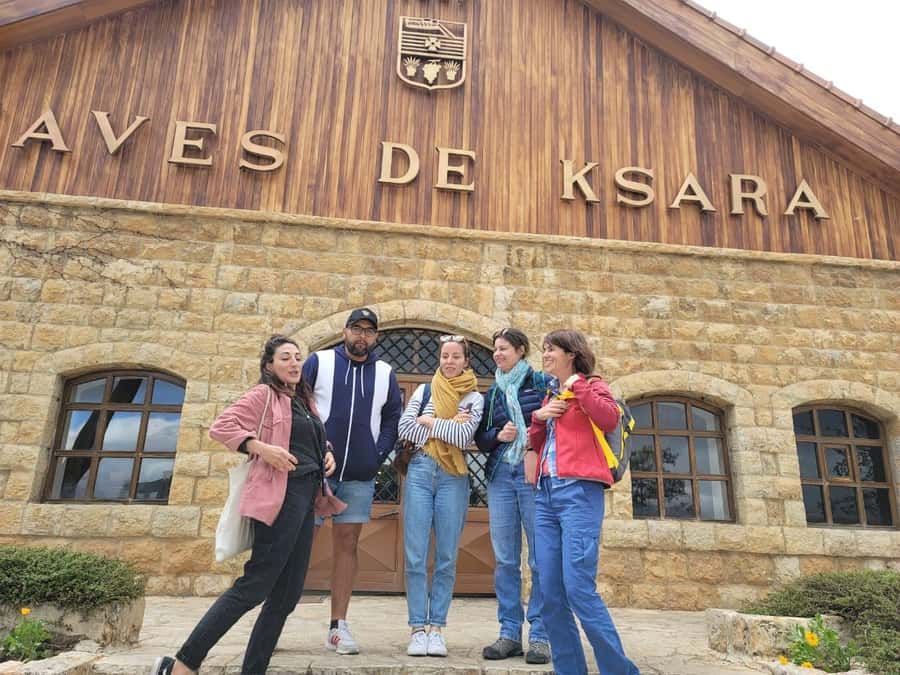
Wine is the main theme, but the tour also advertises craft beer and Lebanese arak. Arak is a clear anise-flavored spirit often served with water, which turns it cloudy and milky white. That explains the nickname white milk in the description.
The beer portion is associated with a brewery admission and a tasting of Lebanese craft beer. A previous route included the Colonel Brewery, described as an interesting all-in-one concept. The current stop list does not name the brewery, so confirm whether it remains part of the program or is an optional addition.
This mix of wine, beer, and arak gives the day a broader look at Lebanese drinking culture. It is especially useful if one person in your group is more interested in beer or spirits than wine. It can also make the tour less repetitive, though the precise balance depends on the route operating on your date.
The alcohol variety is also a reason to use the included transport. You can enjoy the tastings without worrying about driving between wineries or finding a taxi back to Beirut.
What The $140 Price Really Covers
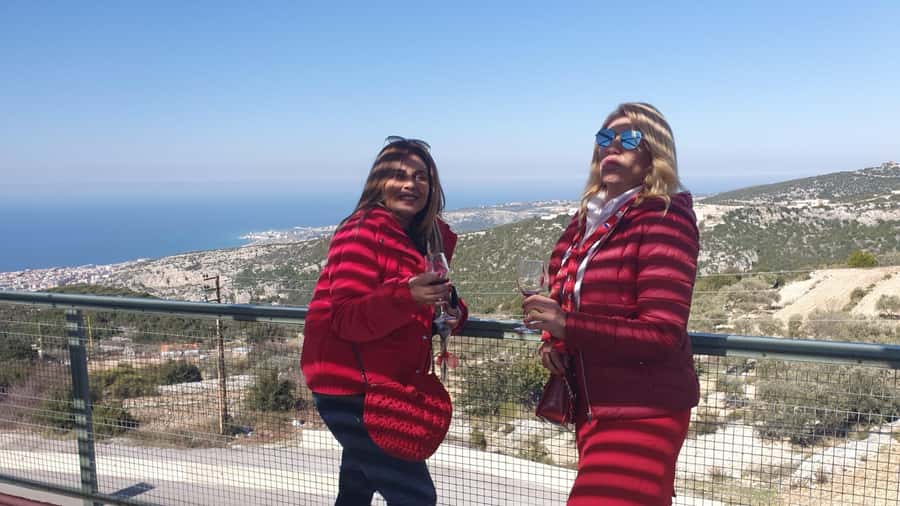
At $140 per person, the price is not just paying for three samples of wine. It includes hotel pickup and drop-off, winery admissions, brewery admission, tastings, a Lebanese lunch, and a private group format.
The value is strongest if you are staying in Beirut and want a planned day in the Bekaa Valley without arranging a car, driver, restaurants, and separate winery reservations. Transport alone can become expensive and complicated when several stops are involved. The private format adds further value for couples, families, or small groups who prefer not to spend the day with strangers.
The price is less compelling if you only want one winery or already have access to a private car and driver. It is also harder to judge until you confirm the exact route. The description contains different winery names, and the previous operating route differed from the detailed schedule. A clear answer about the stops will help you decide if $140 matches what you want.
The 4.9 rating from three verified bookings is encouraging, but the small number of ratings means I would treat it as a useful signal, not a guarantee. The detailed feedback is positive about the driver, the brewery concept, and the passionate presentation at a smaller winery. It also points out that lunch was not at the winery, even though that seemed possible. That is precisely the kind of detail worth clarifying before departure.
Who Will Enjoy This Day Most
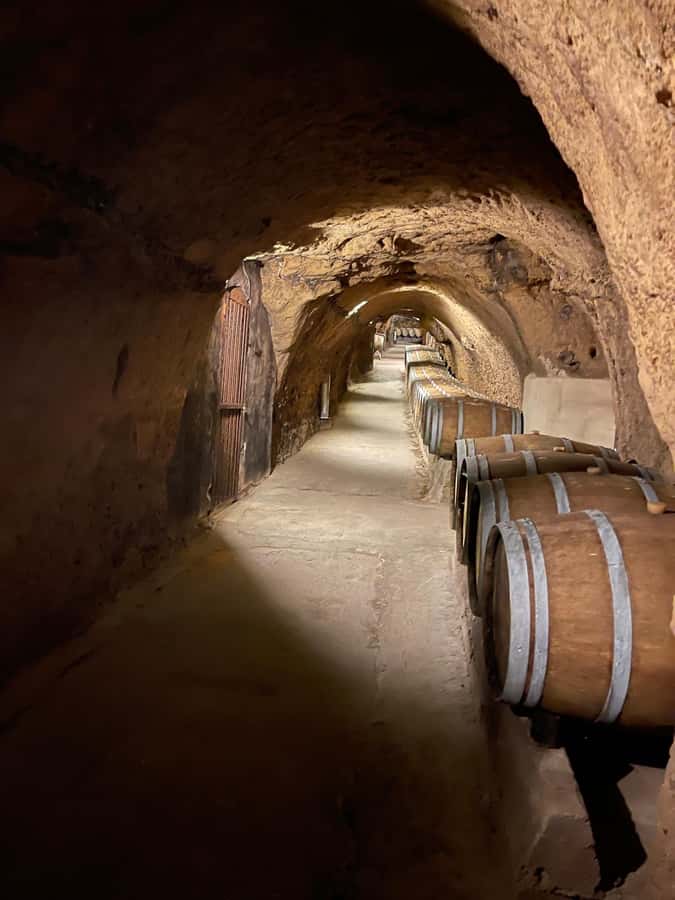
I would recommend this outing to someone who wants a broad introduction to Lebanese wine without handling the logistics. It suits first-time visitors to Lebanon, couples, small private groups, and anyone who wants a full day beyond Beirut.
It is also a good match if you enjoy learning the story behind a drink. The guided tours, caves or vineyards, tasting sessions, and background on Lebanon’s wine industry add substance to the glasses on the table.
You may want a different plan if you prefer a slow visit to one winery, a highly specialized tasting, or a fixed menu with known dishes. Three winery stops, optional beer and arak, lunch, and the return drive create a busy day. The route is broad rather than deeply focused on one producer.
Wheelchair access is listed, which is helpful, but winery buildings and cave routes can vary. Ask the provider which parts of the current route are accessible if you need detailed mobility information.
Booking Advice Before You Go
The most important question is simple: Which wineries are included on my date?
The general description refers to Château Ksara and Château Kefraya. The detailed schedule lists Château Kefraya, Château Rayak, and Château St Thomas. Another operating route included Phoenix Winery, Ixsir, and the Colonel Brewery. These names may reflect different versions of the tour, but the published information does not make the distinction clear.
Also confirm:
- The exact pickup time from your Beirut hotel
- The current winery names and order
- Whether the brewery and arak tasting are included that day
- Where lunch will be served
- Whether the cave or vineyard portion is part of your route
- How long the return journey to Beirut is expected to take
The tour is offered in English and can be cancelled up to 24 hours ahead for a full refund. You can also reserve now and pay later, which helps if your Lebanon schedule is still changing. Those policies are useful, but the route confirmation matters more.
Should You Book The Lebanese Winery Tour?
Book it if you want a convenient, private day from Beirut that combines several major Lebanese wine producers with food, beer, and arak. I especially like the included driver, the chance to see the Bekaa Valley itself, and the range of tasting stops. The passionate small-winery presentation and the Colonel Brewery visit also suggest that the day can offer more than polished brand marketing.
I would hold off only if the exact stops remain unclear. Ask for the current route in writing, then compare it with your priorities. If you want a wide first look at Lebanese wine and do not want to organize transport, $140 is a reasonable package. If you want one carefully paced estate visit, the schedule may feel too packed.
FAQ
Where does the Lebanese winery tour begin?
Pickup is provided from Beirut, with hotel pickup and drop-off included.
How long does the tour last?
The experience lasts one full day.
Which wineries are named in the tour information?
The general description names Château Ksara and Château Kefraya. The detailed schedule lists Château Kefraya, Château Rayak, and Château St Thomas.
Is lunch included?
Yes. A Lebanese lunch at a local restaurant is included, with about one hour set aside for the meal.
Are wine tastings included?
Yes. Wine tastings are included at the winery visits, with red, white, and rosé wines described as part of the experience.
Is craft beer included?
Brewery admission is included in the tour information, and craft beer tasting is advertised. The current brewery stop should be confirmed before booking because the detailed schedule does not name it.
Is Lebanese arak included?
Lebanese arak, also called white milk in the description, is included among the drinks the tour introduces. Confirm the exact tasting lineup for your date.
Is the tour private?
Yes. The group type is listed as a private group.
What language does the guide speak?
The live tour guide speaks English.
Can the tour be cancelled for a refund?
Yes. You can cancel up to 24 hours before the activity for a full refund.
Newest Beirut reviews
- Wine Tasting Tour★ 5.0 · 2 reviews
- Journey Through Time: Half-Day Private Tour to Baalbek★ 5.0 · 3 reviews
- Lebanon’s Treasures: Jeita Grotto and Harissa Private Tour★ 5.0 · 2 reviews
- Traveling Spoon Lebanese Mezze Private Online Cooking Class★ 5.0 · 4 reviews
- Wine Tasting and Culture★ 5.0 · 3 reviews
- Small Group Tour to Baalbek, Anjar & Ksara with Hotel pickup★ 5.0 · 2 reviews
- Small Group Tours to Jeita Grotto and Byblos with tickets★ 5.0 · 3 reviews
- Small-Group Tour with Lunch to Baalbek, Anjar and Ksara★ 5.0 · 3 reviews
Wine Tours, compared.
Guided Small-Group Tour to Baalbek, Anjar and Ksara with Lunch
Read our review →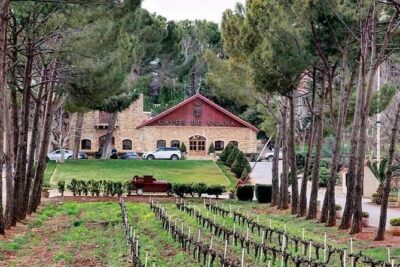
Anjar, Baalbek & Ksara Day Trip – With Lunch (4G on Board)
Read our review →
Guided Private Full Day Tour to Baalbek, Anjar and Chateau Ksara
Read our review →
Lebanon tour Baalbek ruins & Ksara w/pick-up, lunch,guide+entries
Read our review →
Baalbek Temples & Ksara Caves w/pick-up,guide, entries+lunch
Read our review →
Small Group Tours to Baalbek, Anjar & Chateau Ksara with lunch and Tickets
Read our review →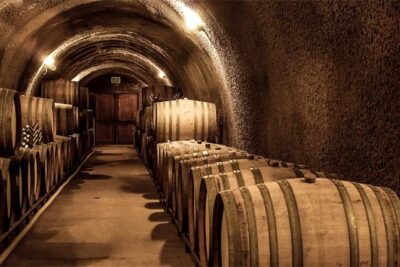
Browse the lists this tour appears in