
Review · WINE TOURS
Lebanon Wine Tasting Tour From Beirut
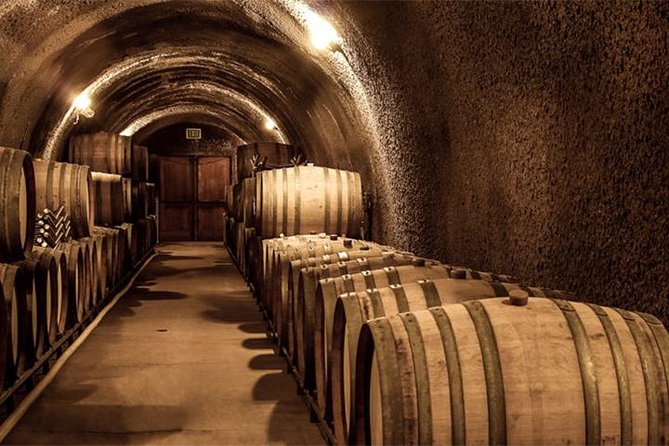
Lebanon pours its past into every glass. This Bekaa Valley wine tour from Beirut gives you a full day of tastings, winery visits, and countryside travel without the trouble of arranging transport yourself. You visit Chateau Heritage, Chateau Ksara, and Chateau Rayak, with red, white, rosé, and possibly arak included along the way.
I like the three-winery itinerary, which gives you a useful sense of Lebanon’s range rather than tying the day to one producer. I also like the small-group format and hotel pickup, especially since the drive from Beirut makes a self-guided wine day less practical. The main consideration is that this is not guaranteed to be a deeply guided wine seminar. One poor account described the day as more of a transfer service, so your experience may depend heavily on the guide assigned.
In This Review
- Key points to know before booking
- Why the Bekaa Valley makes a strong wine day from Beirut
- Chateau Heritage and Lebanon’s long wine story
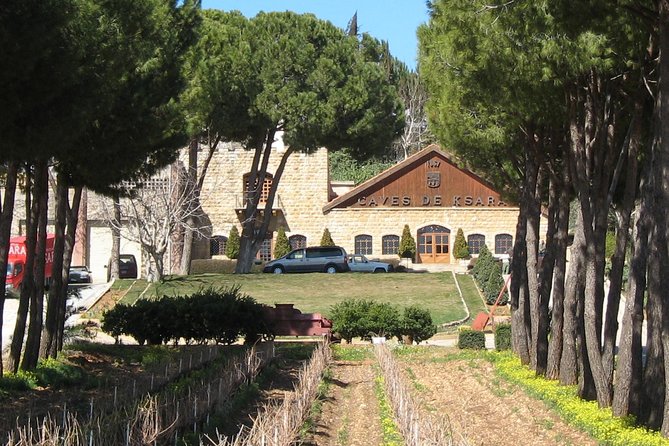
- Chateau Ksara, Lebanon’s oldest winery
- Zahle gives the day a proper lunch break
- Chateau Rayak is the most distinctive final stop
- What the guide can add to the experience
- Is $91.03 a good price for eight hours?
- Who should book this Beirut wine tour?
- Should you book it?
- FAQ
- Where does the Lebanon wine tasting tour begin?
- What time does the tour start?
- How long does the tour last?
- Which wineries are included?
- Is wine tasting included in the price?
- Is arak included in the tasting?
- Is lunch included?
- How many people can join the tour?
- Does the tour return to Beirut?
- Can I cancel or change the booking?
Key points to know before booking
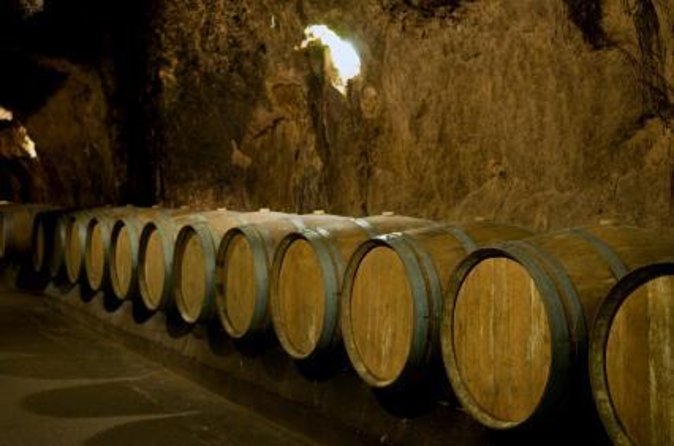
- Three wineries in one day: Chateau Heritage, Chateau Ksara, and Chateau Rayak each offer a different angle on Lebanese wine.
- Chateau Ksara carries major historical weight: Founded in 1857, it is described as Lebanon’s oldest winery.
- Hotel pickup and drop-off are included: The tour begins at 9:00 a.m. in Beirut and returns to the same meeting point.
- A small group can make the day personal: The experience is promoted for groups of up to 10, while the stated maximum is 15 people.
- Lunch is in Zahle: The one-hour stop is at a local restaurant, but the meal itself is not listed as included.
- The price is reasonable for a full day: At $91.03 per person, the package offers transport and winery admissions, though the exact level of guiding is worth considering.
Why the Bekaa Valley makes a strong wine day from Beirut
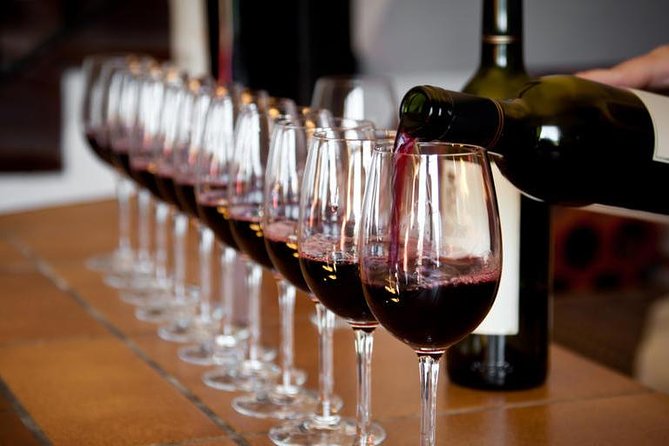
Lebanon’s wine story reaches far beyond modern bottles and tasting rooms. The tour connects today’s wineries with ancient regional traditions, Phoenician trade, Roman-era Baalbek, and the long-standing place of arak in Lebanese culture.
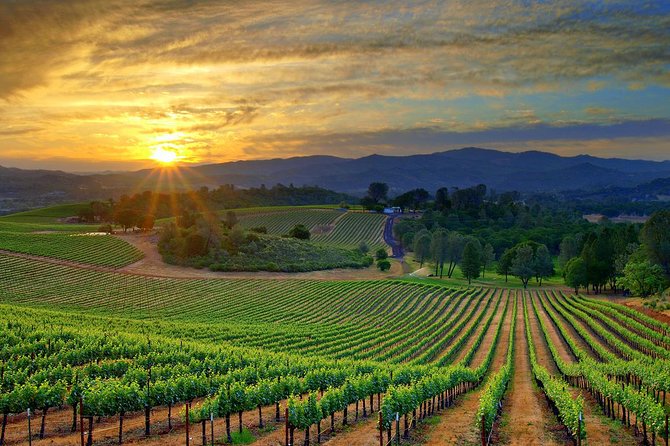
The Bekaa Valley is the main setting for the day. You leave Beirut in a climate-controlled vehicle, which matters in warmer weather and makes it easier to enjoy the tastings without worrying about driving afterward. The exact travel time between stops is not provided, but the eight-hour schedule tells you to expect a full day rather than a quick excursion.
I like that the experience combines wine with place. You are not simply seated at a table in Beirut sampling imported labels. You travel into the wine-producing region, visit working wineries, stop in Zahle for lunch, and hear about grapes grown in the Bekaa Valley.
The strongest part of the plan is its variety. You taste across red, white, and rosé wines, and Chateau Ksara also produces arak, Lebanon’s national drink. If you know little about Lebanese wine, three stops should help you form an opinion about the country’s approach to both traditional and modern production.
Other Lebanese wine estates worth the drive:
- Guided Small-Group Tour to Baalbek, Anjar and Ksara with Lunch
★ 5.0 · 511 reviews - Anjar, Baalbek & Ksara Day Trip – With Lunch (4G on Board)
★ 4.5 · 181 reviews - Baalbek – Anjar – Ksara Trip From Beirut
★ 4.5 · 80 reviews
Chateau Heritage and Lebanon’s long wine story
Your first winery is Chateau Heritage, with about one hour allocated for the visit and admission included. The stop introduces the historical setting before the day moves into more detailed winery visits.
The story here centers on the Touma family, which established one of Lebanon’s first wineries and distilleries in 1888 in Kab elias, in the Bekaa Valley. The family produced both wine and Arak Touma. That gives the visit a useful connection between grape wine and the anise-flavored spirit that remains an important part of Lebanese drinking culture.
The historical material is a real advantage if you enjoy context with your tasting. The tour explains theories that Phoenicians helped spread red and white grape varieties toward Europe, while also pointing to biblical and Roman references linked to wine in the region. Some of these claims are presented as theories, so you should treat them as part of Lebanon’s traditional wine narrative rather than as a detailed academic lecture.
At one hour, Chateau Heritage is likely to feel like an introduction rather than a full production tour. That is not necessarily a problem. It gives you a first taste and establishes the family and regional background before the larger Chateau Ksara visit.
If your guide is Robin, you may get more than the basic schedule suggests. His role has been praised for combining wine information with explanations of Lebanon’s past and present, along with a good sense of humor. Since guide quality can shape the whole day, that personal touch is valuable.
Chateau Ksara, Lebanon’s oldest winery
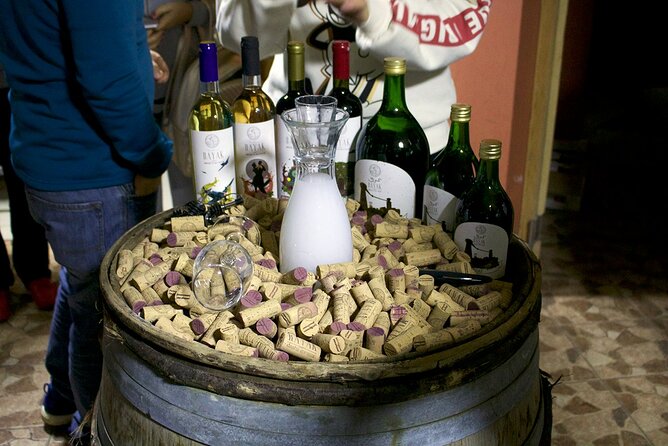
The second winery is Chateau Ksara, and this is probably the most important stop for understanding Lebanon’s modern wine industry. The winery began in 1857, when Jesuit fathers inherited and farmed a 25-hectare plot. They produced what is described as Lebanon’s first non-sweet red wine, helping set the direction for the country’s commercial wine production.
The name Ksara comes from ksar, meaning a fortress, with a connection to the Crusades. That detail gives the winery a strong sense of place, even before you taste anything.
You have about one hour here, with admission included. The range of wines is broad: dry reds, sweet wines, dry whites, rosé, and arak. This variety makes Chateau Ksara especially useful for a first-time visitor. You can compare styles instead of deciding that Lebanese wine is represented by one grape or one flavor profile.
I would pay close attention to the difference between the dry and sweet wines. Sampling both gives you a better feel for how the winery serves different tastes. The inclusion of rosé and white wine also keeps the tasting from becoming a parade of heavy reds, which can make a long day less enjoyable.
The drawback is time. One hour may be enough for an introduction and tasting, but it may feel short if you want a slow cellar visit, extensive production details, or time to browse every bottle. You should see this as one part of a larger day, not as a private winery masterclass.
Zahle gives the day a proper lunch break
After the second winery, the itinerary allows one hour for lunch at a local restaurant in Zahle. The stop is important because wine tasting on an empty stomach is a poor plan, and the day would feel rushed without a pause between tastings.
The meal is listed as an additional stop, not as an included tasting or included meal. Plan to pay for lunch unless your booking details say otherwise. The provided information does not specify the restaurant, menu, or price, so you should avoid counting on a particular dish or dining style.
Zahle also breaks up the rhythm of the winery visits. Instead of spending eight hours moving from one tasting room to another, you get time to sit down and reset. I consider that a practical strength, especially for anyone who does not regularly drink wine during the day.
The stop is one hour, so it is not designed as a long city tour. You should think of Zahle as the place where you eat and take a breather, not as a separate sightseeing program. If you want extensive time in Zahle, this itinerary will probably not provide it.
A few more trips out of Beirut worth a look
- PRIVATE Wine Tasting Tour to the Bekaa Valey Fabulous Wineries
★ 5.0 · 7 reviews - Full-Day Private Wine Tasting Tour
★ 5.0 · 6 reviews - Wine Tasting and Culture
★ 5.0 · 3 reviews - Wine Tasting Tour
★ 5.0 · 2 reviews
Chateau Rayak is the most distinctive final stop
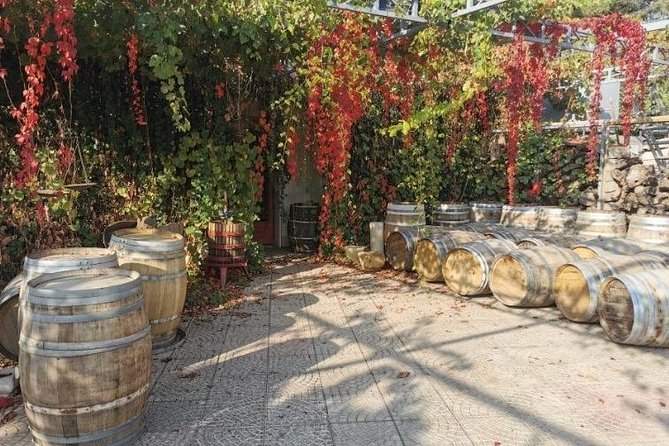
The final visit is Chateau Rayak, and it receives the longest scheduled period, about two hours. That extra time suggests a more substantial winery experience than the earlier one-hour stops.
Chateau Rayak is presented as a family-run producer that keeps traditional methods while using modern technology. Its wines are made from grapes grown in the Bekaa Valley. This mix of old and new is a useful way to end the day because it brings together the main themes of the tour: family wine-making, regional grapes, and current production methods.
The last stop has been singled out as a highlight by people who enjoyed the day. That makes sense from the schedule alone. Two hours allows more room for explanation, tasting, and questions, and it may feel less hurried than the earlier visits.
Still, the exact content of the two-hour session is not spelled out. You should not assume it includes a special cellar tour, a vineyard walk, or a formal food pairing. Those details are not guaranteed. What you can reasonably expect is a longer visit focused on how the family makes its wines and how traditional methods work alongside modern equipment.
Finishing at Chateau Rayak also gives the day a more personal tone. Large historic producers are useful for understanding the national wine industry, while a family operation can show how a smaller winery presents its own identity.
What the guide can add to the experience
The tour is sold as a group experience, but the guide may be the difference between an enjoyable wine day and a series of vehicle transfers. Robin has been praised for explaining the Bekaa Valley, Lebanese wine, and both historic and modern Lebanon. His humor and flexibility also appear to have helped make the day feel relaxed.
The advertised group size is a little unclear. The highlights describe a maximum of 10 for more personal service, while the additional information gives a maximum of 15. I would plan for a small group, but I would not rely on a 10-person limit unless it is confirmed when you book.
A small group matters here because winery visits benefit from questions. With two people, one account described the experience as almost private. That kind of situation can give you more time with the guide and make it easier to shape the discussion around your interests.
There is also evidence that the operator can adapt. One guide arranged an extra stop during the day, though you should not treat that as part of the standard itinerary. Another account described a vehicle problem that required a replacement guide, but the replacement was still praised. The practical lesson is simple: flexibility can help, but the day may not always run exactly as first planned.
One important warning comes from the sharply negative experience. A dissatisfied customer felt the day provided transport rather than enough wine explanation. If you want technical tasting instruction, detailed vineyard study, or a professional sommelier-style lesson, this may not meet your expectations.
Is $91.03 a good price for eight hours?
At $91.03 per person, the tour offers solid value if you want an easy day from Beirut. The price includes round-trip transport in a climate-controlled vehicle, admission to three wineries, and wine tastings. You also avoid the trouble of arranging a designated driver for a full day of alcohol sampling.
The value is strongest for solo visitors, couples, and small groups who do not have a car. It is also useful if you want to see several producers in one day rather than spend time comparing transport options between wineries.
The price is less attractive if your main goal is expert wine education. The available information does not promise a dedicated wine professional, detailed tasting notes, vineyard walks, or an included lunch. You are paying for access, transport, tastings, and a guided day, not for an advanced certification course.
Group discounts may improve the value for larger parties. Since the tour can accommodate up to 15 people according to the stated maximum, it is worth checking the final group rate before booking. Keep in mind that the experience is non-refundable and cannot be changed after booking, so confirm your date and pickup details carefully.
Who should book this Beirut wine tour?
I would recommend this experience to you if you want a broad introduction to Lebanese wine and prefer convenience over complete control. It suits a first visit to Lebanon, especially if you want to combine local history, regional food, and wine without arranging a private vehicle.
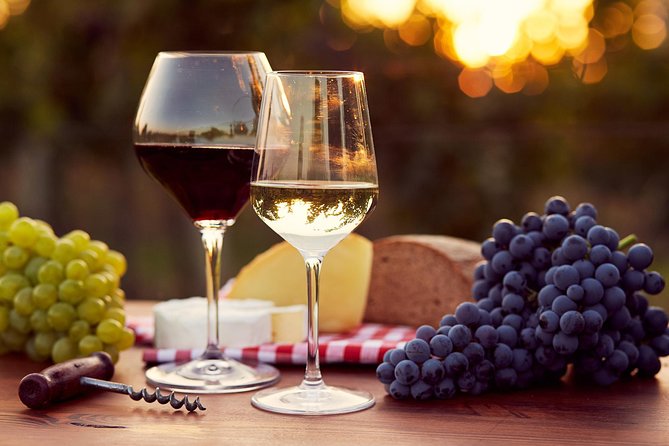
It is also a good fit if your group includes people with different wine preferences. The wineries produce reds, whites, rosé, sweet wines, dry wines, and arak, so the day is not limited to one style.
You may want another option if you expect long vineyard walks, polished tasting-room service, or a highly structured wine lesson. The itinerary is busy, and the level of commentary may depend on the guide. The one negative account is important because it shows that the experience is not uniformly instructional.
For the best chance of a personal day, ask about the group size and guide assignment before booking. If Robin is available, his mix of wine information, Lebanese history, humor, and flexibility sounds like a strong match for this route.
Should you book it?
Book this tour if you want three Lebanese wineries, transport from Beirut, included tastings, and a full day in the Bekaa Valley for a fair price. Chateau Ksara provides the major historical anchor, Chateau Heritage adds family and arak traditions, and Chateau Rayak gives the day its longest and potentially most personal winery visit.
I would book with realistic expectations. You are buying a convenient regional wine outing, not a guaranteed private wine course. Confirm the group-size limit, ask what lunch costs, and be clear that the quality of guiding matters to you. For an easy first taste of Lebanon’s wine country, the balance of price, variety, and transport makes this a worthwhile choice.
FAQ
Where does the Lebanon wine tasting tour begin?
The tour begins in Beirut, Lebanon, with pickup offered at your hotel.
What time does the tour start?
The stated start time is 9:00 a.m.
How long does the tour last?
The experience lasts approximately eight hours.
Which wineries are included?
The itinerary includes Chateau Heritage, Chateau Ksara, and Chateau Rayak.
Is wine tasting included in the price?
Yes. Included tastings feature red, rosé, and white wines.
Is arak included in the tasting?
Chateau Ksara produces arak, Lebanon’s national drink, but the provided information does not confirm that arak tasting is included at every visit.
Is lunch included?
Lunch takes place at a local restaurant in Zahle, but the meal is listed as free of admission charges rather than as an included meal. The information does not confirm that lunch is included in the price.
How many people can join the tour?
The experience is promoted as a small-group tour limited to 10 people, while the stated maximum is 15 travelers. Confirm the final group size when booking.
Does the tour return to Beirut?
Yes. The activity ends back at the meeting point in Beirut.
Can I cancel or change the booking?
No. The experience is non-refundable and cannot be changed for any reason after booking.
Newest Beirut reviews
- Wine Tasting Tour★ 5.0 · 2 reviews
- Journey Through Time: Half-Day Private Tour to Baalbek★ 5.0 · 3 reviews
- Lebanon’s Treasures: Jeita Grotto and Harissa Private Tour★ 5.0 · 2 reviews
- Traveling Spoon Lebanese Mezze Private Online Cooking Class★ 5.0 · 4 reviews
- Wine Tasting and Culture★ 5.0 · 3 reviews
- Small Group Tour to Baalbek, Anjar & Ksara with Hotel pickup★ 5.0 · 2 reviews
- Small Group Tours to Jeita Grotto and Byblos with tickets★ 5.0 · 3 reviews
- Small-Group Tour with Lunch to Baalbek, Anjar and Ksara★ 5.0 · 3 reviews
Wine Tours, compared.
Guided Small-Group Tour to Baalbek, Anjar and Ksara with Lunch
Read our review →
Anjar, Baalbek & Ksara Day Trip – With Lunch (4G on Board)
Read our review →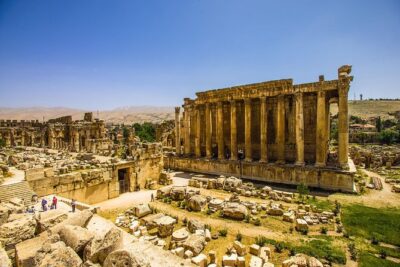
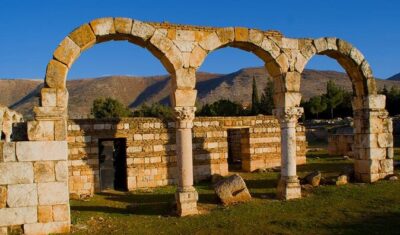
Guided Private Full Day Tour to Baalbek, Anjar and Chateau Ksara
Read our review →
Lebanon tour Baalbek ruins & Ksara w/pick-up, lunch,guide+entries
Read our review →
Baalbek Temples & Ksara Caves w/pick-up,guide, entries+lunch
Read our review →
Small Group Tours to Baalbek, Anjar & Chateau Ksara with lunch and Tickets
Read our review →
Private Tour: Anjar, Baalbek and Ksara Day Trip from Beirut
Read our review →Browse the lists this tour appears in