
Review · WINE TOURS
Journey Through Lebanese Wine: A Private Tour in the Beqaa Valley
Lebanon pours well. This full-day Beqaa Valley outing pairs three wineries with private transport, a driver, and a guide who can make the region’s wine story easier to understand. I like the simple door-to-door plan and the chance to compare three very different estates in one day. The main catch is that winery admission and lunch cost extra, so the $65 price is not the full spend.
I also like that your group travels alone rather than joining a large bus. Imad, the guide praised in the tour feedback, tailored the day to the group and shared history throughout the drive. Still, three one-hour winery stops make this a brisk introduction, not a slow wine-country retreat.
In This Review
- At a glance: three wineries, one private vehicle, a full day
- Leaving Beirut for the Beqaa Valley
- Château Ksara and Lebanon’s first dry wine
- Château Kefraya at 1,000 meters
- Château St Thomas and the story of arak
- What the $65 price really covers
- Why a private tour changes the day
- Lunch, timing, and the details to check
- Who will enjoy this wine day most
- Should you book the Beqaa Valley wine tour?
- FAQ
- Where does the tour begin?
- What time does the tour start?
- How long does the experience last?
- Which wineries are included?
- Is transportation included?
- Is lunch included?
- Are winery admission tickets included?
- Is this a private activity?
- Can I cancel for a full refund?
At a glance: three wineries, one private vehicle, a full day
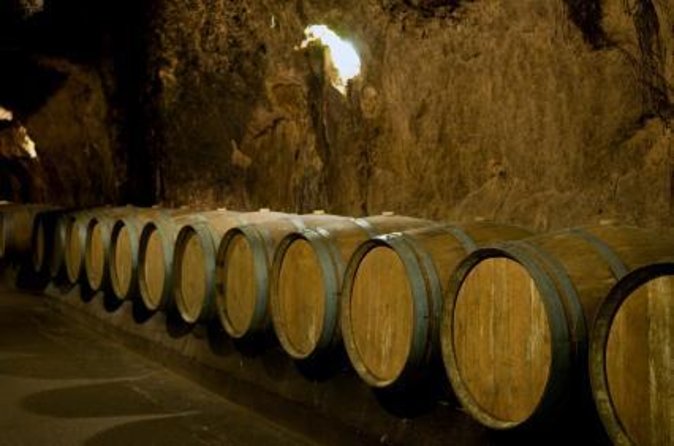
- Château Ksara dates to 1857: Founded by Jesuit priests, it developed Lebanon’s first dry wine and now produces about 3 million bottles each year.
- Château Kefraya covers 300 hectares: Terraced slopes, varied soils, high elevation, and a broad mix of grape varieties shape its wines.
- Château St Thomas links wine with arak: The family estate grew from Saïd Touma’s experience in grape fermentation and distillation.
- Private pickup saves time: You begin at 9:00 a.m. with hotel pickup in Beirut and return by private vehicle.
- The price covers the framework: Transport, an air-conditioned vehicle, hotel transfers, and a tour leader are included, but lunch and winery admission are not.
- The day suits curious beginners: You get a clear introduction to Lebanese winemaking without needing to plan rural transport yourself.
Leaving Beirut for the Beqaa Valley
The practical strength of this tour begins before the first tasting. Pickup from your Beirut hotel means you do not need to find a taxi, arrange an intercity ride, or work out how to reach wineries spread across the Beqaa Valley.
The stated start time is 9:00 a.m., and the full outing lasts about eight hours. That gives you a complete day outside the city, with the private vehicle handling the movement between stops. An air-conditioned car matters in Lebanon, especially when you are spending much of the day on the road.
Your driver and tour leader are included. The tour information does not identify the driver, but Imad is specifically praised as a guide who shared history, explained the wine culture, and adjusted the day to the group. If he is assigned to your booking, his approach could make a major difference. You should still confirm guide arrangements when booking if that matters to you.
The private format is useful for couples, families, and small groups with different levels of interest in wine. You can ask questions without speaking over a crowded coach. You also avoid the stop-and-go feel of a large group, although the exact vehicle size is not specified.
Other Lebanese wine estates worth the drive:
- Guided Small-Group Tour to Baalbek, Anjar and Ksara with Lunch
★ 5.0 · 511 reviews - Anjar, Baalbek & Ksara Day Trip – With Lunch (4G on Board)
★ 4.5 · 181 reviews - Baalbek – Anjar – Ksara Trip From Beirut
★ 4.5 · 80 reviews
Château Ksara and Lebanon’s first dry wine
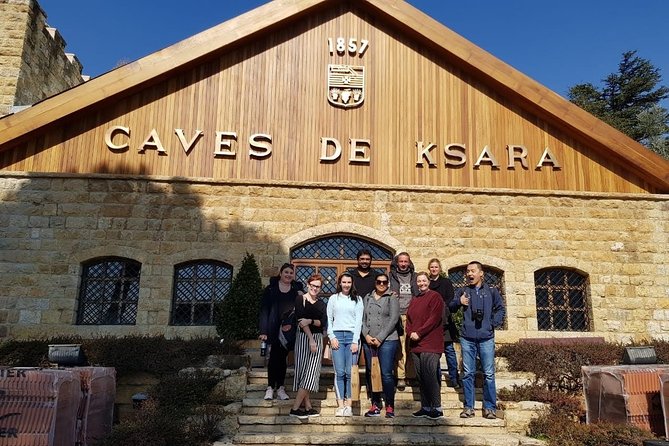
The first stop is Château Ksara, Lebanon’s oldest and largest winery. Jesuit priests founded it in 1857, giving the estate a direct link to the country’s early modern wine production.
The most important detail here is not just age. Château Ksara developed the first dry wine in Lebanon, and its wines are now exported to more than 40 countries. With annual production of roughly 3 million bottles, this is a major commercial winery rather than a tiny family cellar.
That scale gives the visit useful context. You can begin by seeing how Lebanese wine moved from religious and local production into an established export business. If you are new to Lebanese wine, Ksara is a sensible first stop because it provides a broad introduction to one of the country’s best-known names.
The scheduled visit lasts about one hour. That is enough time for a concise introduction and tasting, but it will not allow an unhurried study of every bottle or production detail. Admission is not included, so check the current tasting or entry fee before you go. The tour price alone does not cover it.
I would pay attention to how the guide connects Ksara’s long story with the wines in your glass. The age of the estate makes this stop more than a standard tasting room visit, but the value depends on how much explanation you receive and which tasting format is available that day.
Château Kefraya at 1,000 meters
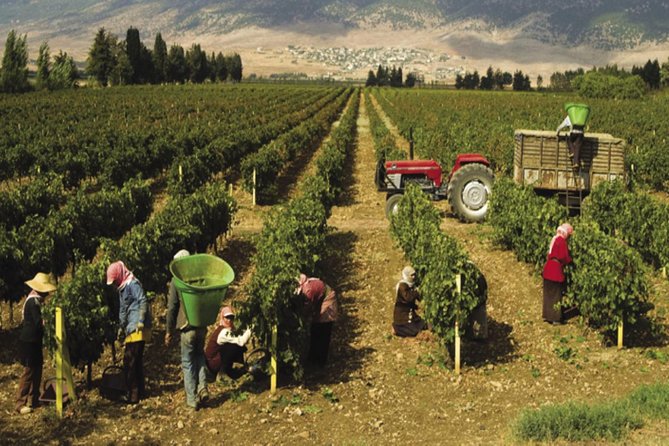
Château Kefraya shifts the focus from age and scale to vineyards, altitude, and grape growing. The estate covers 300 hectares of terraced slopes at about 1,000 meters above sea level, with the vineyard positioned high above the Mediterranean.
The planting is mainly trellised, with about 4,000 vines per hectare. Those figures may sound technical, but they help explain why the stop matters. Kefraya gives you a look at the farming side of Lebanese wine, not only the finished product.
The estate works with varied soils and a wide range of grape varieties in its blends. The Beqaa Valley also has a notable gap between daytime and nighttime temperatures, which helps the grapes ripen and supports harvest conditions.
You do not need to be a wine expert to appreciate this explanation. The guide can point out how elevation, soil, planting, and temperature affect a bottle. For anyone who likes understanding why a wine tastes the way it does, Kefraya may be the most instructive stop.
Again, the planned visit is about one hour, and admission is extra. The short timing keeps the day moving, but it also means you should not expect a long vineyard walk or an extended technical seminar unless the winery’s schedule allows it. The supplied details do not promise either one.
I like the contrast with Ksara. One estate introduces Lebanon’s major wine tradition and production scale. Kefraya gives you a stronger sense of the vineyard itself and the conditions that shape the grapes.
Château St Thomas and the story of arak
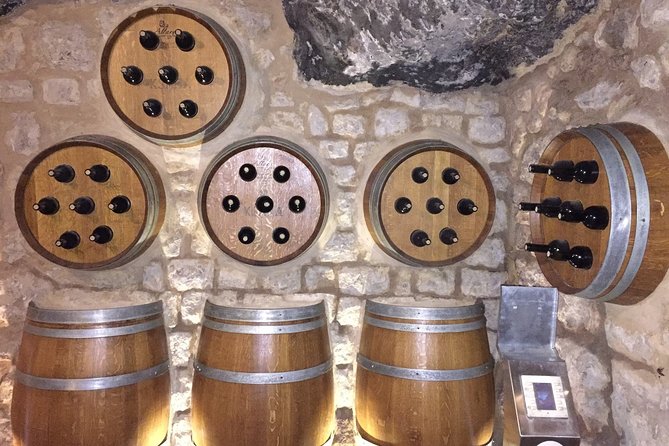
The third stop is Château St Thomas, a 65-hectare estate with a wine storehouse used for fermentation and ageing. Saïd Touma and his family founded it in 1990 on a hill overlooking the Beqaa Valley.
St Thomas adds a family story to the day. Saïd Touma had more than 55 years of experience in distilling and fermenting grape juice, and he inherited the tradition of producing arak, Lebanon’s national drink. He later passed that legacy to his son, Joe-Assaad.
This is an important distinction. The tour is about Lebanese wine, but Lebanon’s drinking culture includes arak as well. A stop at St Thomas can help you see how grape production connects wine, distillation, and family craft.
The estate’s later founding date also gives you a useful comparison with Ksara. You are not visiting three versions of the same winery. Ksara represents a long-established, high-volume producer. Kefraya emphasizes vineyards, altitude, and blends. St Thomas brings in a newer family estate with a link to arak.
The visit is scheduled for about one hour, and admission is not included. If you are especially interested in arak, ask whether the tasting or explanation includes it. The tour details confirm the estate’s arak connection, but they do not promise a separate arak tasting.
A few more trips out of Beirut worth a look
- Guided Small-Group Tour to Jeita, Harissa, Byblos with Lunch
★ 5.0 · 361 reviews - Paragliding Trip Over Lebanon – Jounieh Bay
★ 5.0 · 257 reviews - First Paragliding Club in Lebanon – Since 1992
★ 5.0 · 193 reviews - Jeita Grotto – Harissa – Byblos Trip
★ 5.0 · 169 reviews
What the $65 price really covers
At $65 per person, the tour offers a useful service rather than simply three tastings. You receive hotel pickup and drop-off, private transport, an air-conditioned vehicle, and a tour leader. For a full day from Beirut into the Beqaa Valley, that removes several planning headaches.
The private format is where much of the value lies. You are not paying only for wine. You are paying to avoid organizing rural transport, driving between estates, and finding your way back to Beirut after tastings. That matters even more when your group wants a relaxed day without managing a schedule.
Still, budget for additions. Lunch is not included, and admission tickets at all three wineries are listed separately. The tour price therefore works best as a starting figure. Ask for current winery fees and consider lunch costs before deciding whether it fits your budget.
Group discounts are offered, which could improve the value for a larger private party. Since the activity is private, only your group participates. The exact discount is not stated, so you will need to request the details.
The rating shown for the experience is 4.8 from four reviews. That is a strong score, but the sample is small. I would treat it as encouraging evidence, not a guarantee that every day will run exactly the same way.
Why a private tour changes the day
A private vehicle gives this experience a different feel from a fixed coach excursion. You can focus on the valley rather than transport connections, and your guide can explain the route and the wineries to your group directly.
The private setup also helps if your group has mixed interests. One person may want to ask about grape varieties, while another cares more about Lebanese history or arak. A guide who adjusts the visit can make the day useful for both.
The tradeoff is that a private tour does not automatically mean a fully flexible itinerary. The supplied schedule gives each winery about one hour, and the tour is planned around three stops within roughly eight hours. You may have room for questions, but you should not assume unlimited tasting time or extra sightseeing.
The tour leader is included, but the level of wine specialization is not stated. Imad’s praised ability to explain the country’s history is a clear plus. If you want advanced wine education, ask in advance how technical the commentary will be.
Lunch, timing, and the details to check
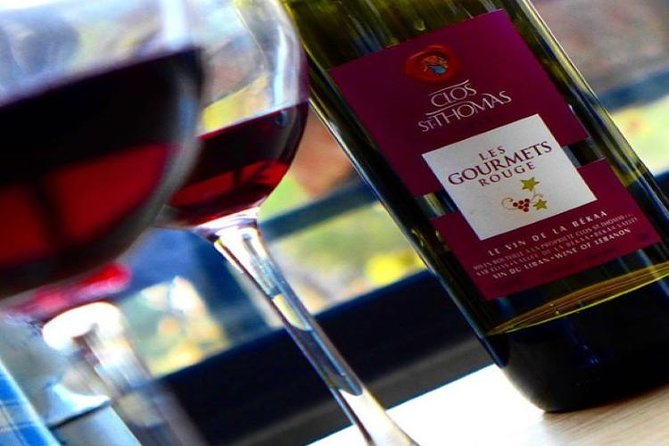
Because lunch is excluded, plan for that gap. The tour information does not name a restaurant, include a meal, or promise a particular lunch stop. Ask before departure how lunch is handled so you know whether to budget for a restaurant meal or bring a snack.
The 9:00 a.m. start is early enough to make the most of the day, but the exact pickup time from your hotel may depend on its location in Beirut. Confirmation is provided when you book, and the meeting arrangement is hotel pickup rather than a separate central meeting point.
The experience is available with a mobile ticket, which is convenient if you are booking while moving around Lebanon. Free cancellation applies when you cancel at least 24 hours before the start time. Inside that 24-hour window, the amount paid is not refunded, and changes are not accepted.
Most people can participate, according to the supplied information. No specific accessibility details are provided, so you should ask directly if you need information about vehicle access, winery entrances, or walking requirements.
Who will enjoy this wine day most
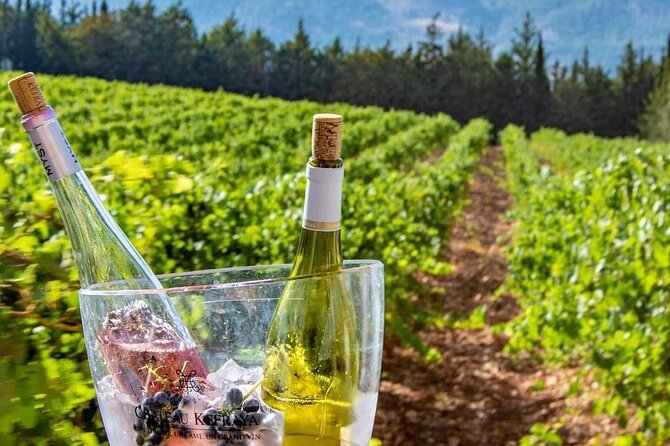
I would recommend this tour to you if you want to explore Lebanese wine without renting a car or planning a rural route. It is also a good match if you have one open day in Beirut and want a substantial outing beyond the city.
You will get the most from it if you enjoy comparison. Three estates let you place a large historic producer beside a high-altitude vineyard and a family winery tied to arak. That variety is more useful than spending the entire day at one cellar.
This may be less suitable if you want a slow, luxury wine holiday with long meals and leisurely tastings. The one-hour schedule at each stop is efficient, but it is not designed for lingering. The extra cost of lunch and winery admission also matters if you are watching every dollar.
I would also choose it for a group that values privacy. A couple, family, or circle of friends can share a vehicle and ask questions at its own pace. If you are a solo visitor, the $65 per-person price may still be fair, but the private format could offer better value when shared by several people, especially if a group discount applies.
Should you book the Beqaa Valley wine tour?
Book it if you want a straightforward, well-organized introduction to Lebanon’s wine country, with private transport from Beirut and three distinct winery visits. The strongest reasons are the door-to-door service, the historical range from 1857 to 1990, and the chance to hear local context from a guide such as Imad.
Before paying, confirm the winery admission costs, lunch plan, and guide assignment. If you accept those extras and prefer a focused day over a slow wine retreat, this is a good-value way to reach the Beqaa Valley without arranging the logistics yourself.
FAQ
Where does the tour begin?
The tour begins with pickup from your Beirut hotel.
What time does the tour start?
The stated start time is 9:00 a.m.
How long does the experience last?
The tour lasts approximately eight hours.
Which wineries are included?
The planned stops are Château Ksara, Château Kefraya, and Château St Thomas.
Is transportation included?
Yes. Private vehicle transport, an air-conditioned vehicle, and hotel pickup and drop-off are included.
Is lunch included?
No. Lunch is not included in the tour price.
Are winery admission tickets included?
No. Admission tickets for the winery stops are not included.
Is this a private activity?
Yes. Only your group participates in the activity.
Can I cancel for a full refund?
Yes, if you cancel at least 24 hours before the experience start time. Cancellations or changes made within 24 hours are not refunded or accepted.
Newest Beirut reviews
- Wine Tasting Tour★ 5.0 · 2 reviews
- Journey Through Time: Half-Day Private Tour to Baalbek★ 5.0 · 3 reviews
- Lebanon’s Treasures: Jeita Grotto and Harissa Private Tour★ 5.0 · 2 reviews
- Traveling Spoon Lebanese Mezze Private Online Cooking Class★ 5.0 · 4 reviews
- Wine Tasting and Culture★ 5.0 · 3 reviews
- Small Group Tour to Baalbek, Anjar & Ksara with Hotel pickup★ 5.0 · 2 reviews
- Small Group Tours to Jeita Grotto and Byblos with tickets★ 5.0 · 3 reviews
- Small-Group Tour with Lunch to Baalbek, Anjar and Ksara★ 5.0 · 3 reviews
Wine Tours, compared.
Guided Small-Group Tour to Baalbek, Anjar and Ksara with Lunch
Read our review →
Anjar, Baalbek & Ksara Day Trip – With Lunch (4G on Board)
Read our review →
Guided Private Full Day Tour to Baalbek, Anjar and Chateau Ksara
Read our review →
Lebanon tour Baalbek ruins & Ksara w/pick-up, lunch,guide+entries
Read our review →
Baalbek Temples & Ksara Caves w/pick-up,guide, entries+lunch
Read our review →
Small Group Tours to Baalbek, Anjar & Chateau Ksara with lunch and Tickets
Read our review →
Browse the lists this tour appears in