Review · TOURS
Best Tours in Lebanon, 3-days-with Pick-up & Drop-off
Lebanon packs centuries into three busy days. This tour links Jeita Grotto, Byblos, Sidon, Tyre, Anjar, and Baalbek with Beirut hotel pickup, which makes it a smart choice when you want to see the country without wrestling with local transport. I like the friendly guides, especially Ali and Harake, and I like the mix of Roman ruins, Phoenician ports, religious sites, mountain views, and Lebanese food.
The main drawback is pace. You cover a great deal of ground, and entrance fees are not included. I would also keep expectations clear about guiding: many people praise the stories and personal care, but one rating specifically found the background at Byblos and Baalbek too light. If you want a detailed archaeological lecture at every stop, ask about that before booking.
In This Review
- Quick points about the three-day Lebanon tour
- What the $225 price really buys you
- Day one: Jeita Grotto, Harissa, and Byblos
- Byblos brings Phoenician ruins beside the sea
- Day two: Sidon’s markets and the road south
- Maghdoucheh and Tyre’s Roman remains
- Day three: Anjar and the colossal temples of Baalbek
- Guides, vehicles, and the style of the day
- Who should book this Lebanon tour?
- Should you book it?
- FAQ
- How long does the tour last?
- What time does pickup begin?
- Is hotel pickup and drop-off included?
- What type of vehicle is used?
- How many people can join the group?
- Are entrance fees included?
- Is lunch included?
- Can I cancel for a full refund?
Quick points about the three-day Lebanon tour
- Jeita Grotto opens the trip with an underground spectacle: You get about an hour to see its limestone chambers, with admission paid separately.
- Byblos combines ruins, a harbor, castle, and souk: It is one of the most varied stops, but the schedule leaves limited time for slow exploration.
- Sidon and Tyre show Lebanon’s coastal past: Expect Crusader buildings, old markets, Roman remains, fishing activity, and sea views.
- Baalbek is the grand finale: The Temple of Bacchus and Temple of Jupiter are the major sights, though the visit is short for such a large site.
- Beirut hotel transfers remove a major hassle: Pickup and drop-off are included in an air-conditioned vehicle.
- Small groups keep the price sensible: The maximum is 15 people, making the tour especially useful for solo visitors.
What the $225 price really buys you
At $225 per person, the package is priced for convenience rather than luxury. You are paying for three days of transport, fuel, hotel pickup and drop-off, an English-speaking local group leader, and basic explanations at each stop.
That matters in Lebanon. The route reaches the Bekaa Valley and southern coast, places that are difficult to combine efficiently without a car and driver. You also avoid arranging separate day trips, checking transport connections, or returning to Beirut after each outing.
The price does not cover every cost. Entrance fees are excluded at Jeita Grotto, Byblos Castle, the Sidon Sea Castle, the Soap Museum, Tyre’s archaeological sites, Anjar, and Baalbek. Lunch is included on one day, while the itinerary describes additional restaurant and fast-food stops on the other days. Bring extra money for entry tickets, meals not covered, drinks, and souvenirs.
The group limit of 15 is another useful detail. This is not a private tour, but it is small enough to avoid the feel of a large coach excursion. Solo visitors receive transport and company without paying a private-car price.
A few more trips out of Beirut worth a look
- Guided Small-Group Tour to Baalbek, Anjar and Ksara with Lunch
★ 5.0 · 511 reviews - Guided Small-Group Tour to Jeita, Harissa, Byblos with Lunch
★ 5.0 · 361 reviews - Paragliding Trip Over Lebanon – Jounieh Bay
★ 5.0 · 257 reviews
Day one: Jeita Grotto, Harissa, and Byblos
Pickup begins around 8:30 a.m. from your Beirut hotel. The first major stop is Jeita Grotto, a system of two connected limestone caves with an overall length of nearly 10 kilometers.
You have about an hour inside the site. The attraction is less about a guided lecture and more about the underground formations, chambers, and unusual shapes created by water and limestone over time. It is the sort of place where you want comfortable shoes and a little patience, since the appeal comes from looking carefully rather than rushing from one display to the next.
Admission is extra, and the published schedule allows roughly 1.5 hours for the stop in one place and one hour in another. Treat that as an approximate window. Weather, traffic, and site operations can affect the day.
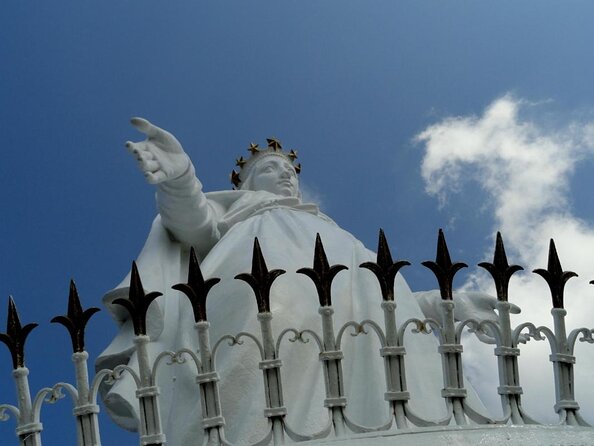
From Jeita, the vehicle climbs toward Harissa. The Shrine of Our Lady of Lebanon is marked by a large Virgin Mary statue above Jounieh Bay. The visit lasts about 30 minutes and costs nothing according to the tour details.
The view is the real reward. From the mountain, you can look across Jounieh Bay and see the coast spread below. The setting gives you a useful change of mood after the dark cave at Jeita. One moment you are underground, the next you are high above the sea.
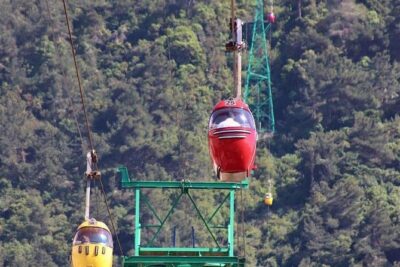
The itinerary lists Harissa and the Shrine of Our Lady of Lebanon as separate stops, but they describe the same general mountain visit. It also includes the Harissa cable car, known as Téléferique Harissa, for a ride down to Jounieh. The cable-car ticket is not included, and if the service is closed, you continue by car.
That flexibility is practical, but you should not assume the cable-car ride is guaranteed. If it is operating, the descent adds a pleasant change from sitting in the vehicle. If not, the tour continues without it.
Byblos brings Phoenician ruins beside the sea
Byblos is the heart of day one. The city is one of the oldest continuously inhabited places in the world and is listed as a UNESCO World Heritage Site. The tour allows about 1.5 hours for the main visit, followed by time around the port, castle, and old souk.
The remains show why Byblos matters. You see ancient Phoenician archaeology beside a Crusader castle, a harbor, and a market area filled with local shops. The layers are close together, so you get a clear sense of how the town changed over time without needing to cross a large city.
The port is a good place to slow down for a few minutes. You can walk along the marina toward the castle and look back at the waterfront. The route then continues to Byblos Castle, also known as the castle of Gibelet.
Castle admission costs extra. Inside and around the archaeological area, the remains include temples associated with Baalat Gebal and the Temple of the Obelisks. The itinerary gives about 30 minutes for the castle, which is enough for a look but not enough for a long, detailed study of every ruin.
The old souk follows. This market has local crafts, antiques, souvenirs, and other merchandise. I like this part because it adds ordinary commercial life to the ancient setting. You can browse without treating the whole stop as a museum.
Lunch takes place at a traditional restaurant near the Byblos port. The details describe Mediterranean Lebanese food, and the schedule allows about an hour. After lunch, you return to Beirut.
Day one is well designed for variety, but the repeated site labels and changing time estimates suggest you should confirm the exact schedule with the operator. Keep your morning moving, and you will get more from Byblos.
Day two: Sidon’s markets and the road south
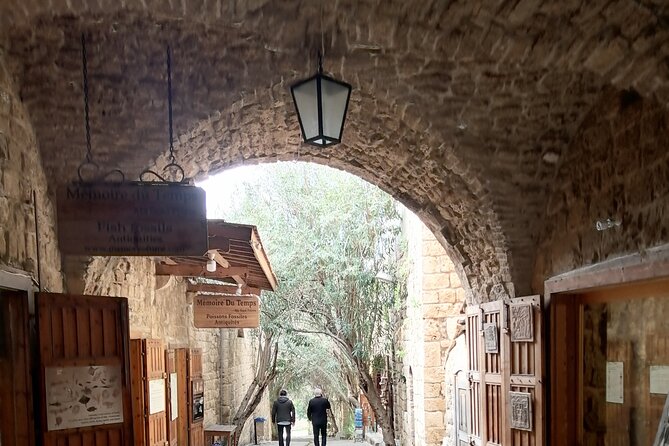
Day two begins around 8:15 a.m. with pickup from your hotel. The route heads south to Sidon, a coastal city associated with Phoenician trade and settlement dating back to at least 4000 B.C.
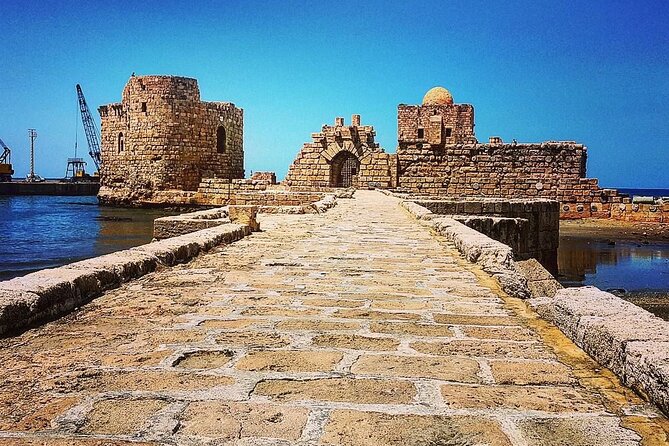
The first visit is the Crusaders Sea Castle. The castle sits in the water and gives you a strong first view of Sidon’s shoreline. Admission is extra, and about an hour is allocated to the stop.
From the castle, you walk into Sidon’s old souks. These covered markets retain vaulted passages, small craft shops, repair work, and older commercial buildings. The tour description also points to coffee houses, water pipes, fishermen, and Debbaneh Palace, an Ottoman-era house built in 1721.
This is one of the best parts of the entire route for seeing a living city rather than only preserved monuments. The souk is not simply a decorated backdrop. It remains tied to local work and trade, which gives the walk a more grounded feel.
The Soap Museum occupies an old factory built in the 17th century, with parts believed to date from the 13th century. You learn how olive-oil soap was made and see the connection between soap production and hammam traditions.
The museum visit lasts about 30 minutes, and admission is extra. Its modest size makes it a good stop between the larger castle and archaeological sites. It also adds a practical piece of local culture to a schedule otherwise heavy on stone ruins.
The Great al-Omari Mosque takes only about five minutes in the stated itinerary. The building was once the Church of St. John of the Hospitalers, and its rectangular walls date to the 13th century. A short stop is enough to see the exterior and understand its earlier Crusader use, but do not expect a full visit.
Khan El Franj adds another architectural layer. Built for merchants and goods, it has a rectangular courtyard, covered galleries, and a central fountain. It also once housed the French consulate.
A different side of Lebanon altogether:
- First Paragliding Club in Lebanon – Since 1992
★ 5.0 · 193 reviews - Anjar, Baalbek & Ksara Day Trip – With Lunch (4G on Board)
★ 4.5 · 181 reviews - Jeita Grotto – Harissa – Byblos Trip
★ 5.0 · 169 reviews - Byblos, Jeita Grotto & Harissa Day Trip -With Lunch (4G on Board)
★ 4.5 · 145 reviews
Maghdoucheh and Tyre’s Roman remains
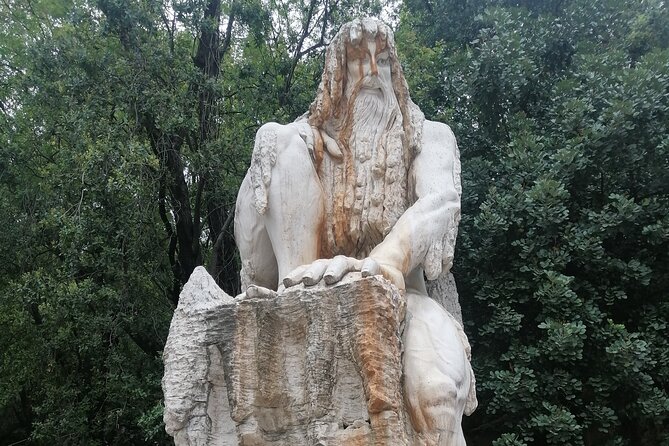
After Sidon, the vehicle continues to Maghdoucheh and the Shrine of Our Lady of Mantara. This Melkite Greek Catholic site includes a tower with a Virgin and Child statue, a cathedral, a cemetery, and a sacred cave.
The cave is traditionally associated with the place where Mary waited while Jesus traveled nearby. The visit lasts about 50 minutes and is free according to the supplied details. It offers a quieter religious stop after Sidon’s market streets.
Tyre follows, with a short visit to the old port and traditional beach houses. The listed times are brief, about 15 minutes at each point, so think of these as scenic walks and orientation stops rather than lengthy coastal exploration.
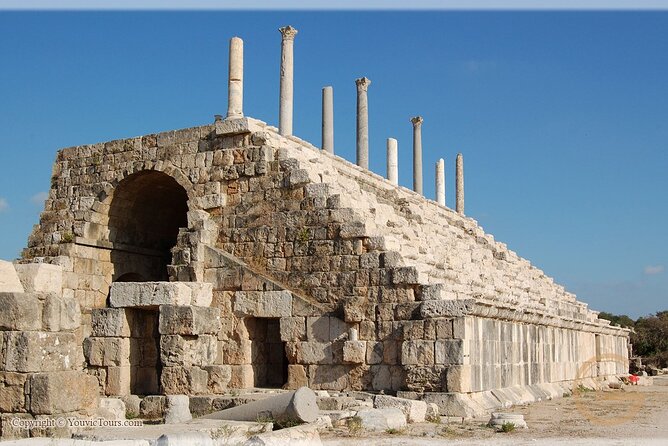
The main Tyre visit is the UNESCO-listed Roman Hippodrome. This horseshoe-shaped structure measures about 480 meters long and 90 meters wide, with room for around 20,000 spectators. The scale helps you picture the public life of Roman Tyre, especially the dangerous chariot races once held here.
Admission is extra. You get about an hour, which should allow a useful walk through the site, though anyone fascinated by Roman construction may want more time.
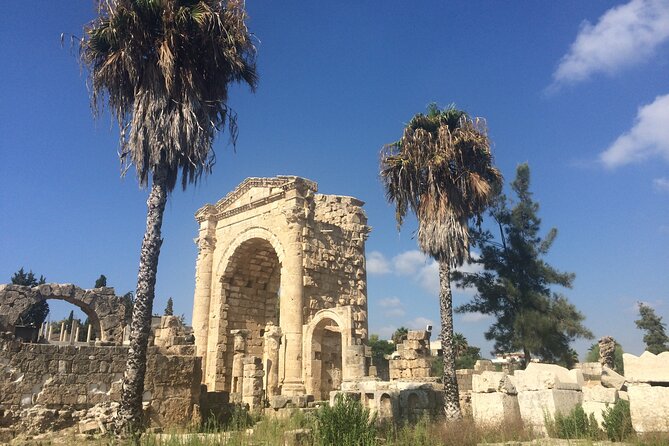
The Al-Bass Archaeological Site adds a Roman road, aqueduct, triumphal arch, and Byzantine remains. Another hour is allocated, and admission is again not included. Together, the hippodrome and Al-Bass make Tyre the strongest day for Roman archaeology.
The day ends with food at a traditional fast-food restaurant before the return to Beirut. The full return drive can make day two tiring, but the route is efficient. You see Sidon, Maghdoucheh, and Tyre in one sweep instead of spending separate days on the southern coast.
Day three: Anjar and the colossal temples of Baalbek

The final day begins around 8:30 a.m. and heads toward the Bekaa Valley. The route passes farming areas between Mount Lebanon and the Anti-Lebanon Mountains. The valley is described as roughly 120 kilometers long and 16 kilometers wide on average, so the drive gives you a broader view of Lebanon beyond the coast.
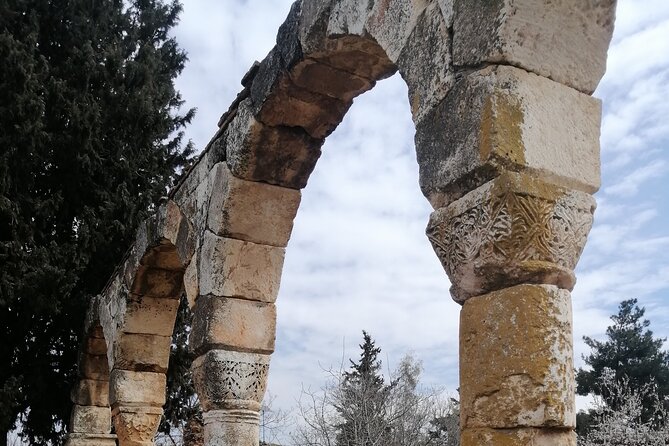
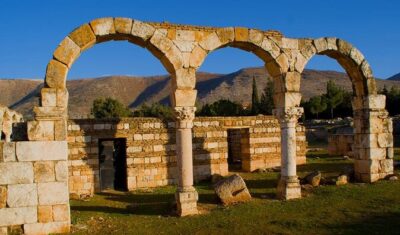
Anjar was founded by Caliph Walid I in the early eighth century. Its ruins have a regular street plan, palace buildings, a mosque, baths, harems, and columns that show Roman architectural influence.
Admission is extra at the Umayyad ruins, and the visit lasts around 30 minutes in the schedule. That is short for a site with so many parts, so listen closely to the opening explanation and use your free time for the main walls, arches, and palace remains.
The route also includes the Mosque of Sayeda Khawla in Baalbek, associated with the burial place of Sayyida Khawla, the daughter of Imam al-Hussein. The supplied schedule does not give a separate duration or admission charge for this stop, so confirm the exact visit with the group leader.
Before the main ruins, you stop at Hajar al-Hibla, the Stone of the Pregnant Woman. It is a massive worked Roman block, one of the largest stones ever quarried. The 30-minute stop helps explain the scale of the construction waiting ahead.
Baalbek itself is the reason many people choose this package. The sanctuary was known as Heliopolis in the Hellenistic period and later became a major Roman religious center dedicated to the Heliopolitan triad of Jupiter, Venus, and Bacchus.
The Temple of Bacchus is particularly impressive. It remains one of the best-preserved large Roman temples, with detailed ornament dating to about the second century C.E. The Temple of Jupiter is even more imposing in scale, with columns around 30 meters high and a foundation built from enormous stone blocks.
Admission to the main temple complex is extra. The schedule gives separate short periods for the temples, including about 45 minutes and 30 minutes, plus 30 minutes for the Temple of Bacchus and 30 minutes for the Temple of Jupiter. Those blocks may overlap in practice, but they underline the need to move at a steady pace.
The day ends with a traditional lunch in Baalbek before the return to your Beirut hotel. The meal description includes meat, chicken, vegetarian choices, and snacks. Several ratings specifically praise the lunch stops, so food is not treated as a quick afterthought.
Guides, vehicles, and the style of the day
The experience uses an air-conditioned vehicle and a local English-speaking group leader. Pickup and drop-off at Beirut hotels are included, with a maximum group size of 15.
Guide assignments can vary. Ali is praised for humor and for making the journey feel personal, while Harake is repeatedly described as polite, warm, patient, and engaging. Zayd is also named as a guide for two of the days by one person. The company may use different guides on different days, so ask in advance if having one guide throughout matters to you.
The strongest feedback focuses on punctual pickups, clear WhatsApp messages about the next day’s time, clean air-conditioned cars, and guides who go beyond simply driving. That communication is useful because pickup times are early and may differ slightly by day.
Guiding depth may not be identical at every site. Some people received additional local guidance at major archaeological locations, including Baalbek, while one person wanted more background at Byblos and Baalbek. I would bring a few questions of your own and ask the guide to explain the periods that interest you most.
Who should book this Lebanon tour?
I would choose this package if you have only three days in Lebanon, want to visit the major historic sites, or are traveling alone and prefer not to arrange transport. It is also a good fit if you value friendly personal service, hotel transfers, and a group small enough to remain manageable.
You may want a different plan if you prefer slow travel, long meals, extensive museum time, or detailed archaeology at every stop. The route is ambitious, and several sites receive only 30 to 60 minutes.
Wear shoes suited to uneven archaeological ground, carry water, and keep cash available for entrance fees and meals not included. Confirm the cable-car operating status and the exact admission costs before departure.
The package has a 4.9 rating from 34 ratings, with 97 percent recommending it. That matches the tour’s main strengths: broad coverage, reliable transport, warm guides, and a good amount of sightseeing for the price.
Should you book it?
Book it if your priority is seeing a large share of Lebanon in three organized days. The combination of coastal cities, mountain views, Umayyad ruins, Roman temples, and Lebanese meals gives you a strong first look at the country.
Skip it if you want to linger. Baalbek, Byblos, and Tyre each deserve more time than this schedule allows, and entrance fees add to the advertised $225. For a short visit, though, the convenience is hard to dismiss, especially for solo visitors and anyone who wants a helpful local driver rather than a transport puzzle.
FAQ
How long does the tour last?
The experience lasts approximately three days, with morning departures from Beirut hotels on each day.
What time does pickup begin?
The listed start time is 8:30 a.m. Day two pickup is stated as 8:15 a.m., while days one and three are listed at 8:30 a.m.
Is hotel pickup and drop-off included?
Yes. Pickup and return transportation to Beirut hotels are included.
What type of vehicle is used?
Transportation is provided in an air-conditioned vehicle. Fuel surcharge is also included.
How many people can join the group?
The maximum group size is 15 people.
Are entrance fees included?
No. Entrance fees are excluded at several sites, including Jeita Grotto, Byblos Castle, the Sidon Sea Castle, the Soap Museum, Tyre’s archaeological sites, Anjar, and Baalbek.
Is lunch included?
Lunch is included on one day. The itinerary also describes lunch stops on the other days, but meals beyond the included lunch are not stated as included.
Can I cancel for a full refund?
Yes. You can cancel at least 24 hours before the local start time for a full refund. Cancellations or changes made within 24 hours are not refunded, and poor weather may lead to a different date or a full refund.
Newest Beirut reviews
- Wine Tasting Tour★ 5.0 · 2 reviews
- Journey Through Time: Half-Day Private Tour to Baalbek★ 5.0 · 3 reviews
- Lebanon’s Treasures: Jeita Grotto and Harissa Private Tour★ 5.0 · 2 reviews
- Traveling Spoon Lebanese Mezze Private Online Cooking Class★ 5.0 · 4 reviews
- Wine Tasting and Culture★ 5.0 · 3 reviews
- Small Group Tour to Baalbek, Anjar & Ksara with Hotel pickup★ 5.0 · 2 reviews
- Small Group Tours to Jeita Grotto and Byblos with tickets★ 5.0 · 3 reviews
- Small-Group Tour with Lunch to Baalbek, Anjar and Ksara★ 5.0 · 3 reviews
Tours, compared.

Guided Small-Group Tour to Baalbek, Anjar and Ksara with Lunch
Read our review →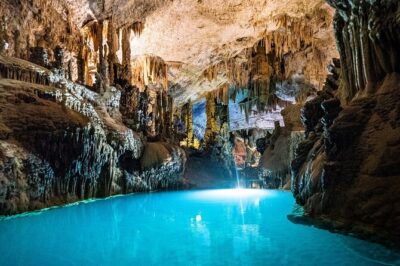
Guided Small-Group Tour to Jeita, Harissa, Byblos with Lunch
Read our review →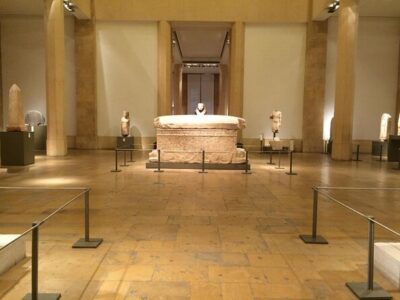
Private Anjar and Baalbek Tour from Beirut with Departure Ticket
Read our review →
Guided Private Full Day Tour to Baalbek, Anjar and Chateau Ksara
Read our review →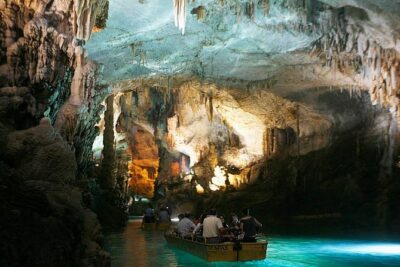
Semi-Private Tour to Jeita Grotto, Harissa & Byblos with Lunch
Read our review →
PRIVATE city Tour of authentic Tripoli and vibrant Batroun
Read our review →