Review · TOURS
6-Day Highlights of Lebanon Tour from Beirut with Pickup
Lebanon packs centuries into a short trip. This six-day journey links Roman temples, Phoenician ports, Crusader castles, monasteries, and mountain villages without asking you to arrange separate day trips. I especially like the airport pickup and the small-group limit of 15 people, which make a busy route easier to manage.
I also like the mix of included experiences: Jeita Grotto, the Harissa cable car, Chateau Ksara, the Gibran Museum, and major archaeological sites. The main consideration is pace. Four full touring days cover much of Lebanon, so you will spend plenty of time in the vehicle and have limited free time at each stop.
In This Review
- Key points to know before booking
- A six-day route that covers Lebanon’s big sights
- Arrival in Beirut and a practical first night
- Jeita Grotto, Harissa, and Byblos on Day 2
- Baalbek, Anjar, and Chateau Ksara on Day 3
- Qadisha Valley and the Cedars of God on Day 4
- Sidon, Tyre, and Maghdoushe on Day 5
- What the $790 price includes, and what it does not
- Who should book this Lebanon tour?
- FAQ
- Where does the tour begin?
- Is airport pickup included?
- How many nights of accommodation are included?
- How large is the tour group?
- Which meals are included?
- Which places are visited on Day 2?
- Which ancient sites are visited on Day 3?
- Is an airport transfer provided at the end?
Key points to know before booking
- Baalbek is the architectural high point: The enormous Temple of Jupiter and remarkably preserved Temple of Bacchus give Day 3 real wow power.
- The route reaches both coasts and the mountains: You visit Byblos in the north, Sidon and Tyre in the south, and Qadisha Valley and the Cedars of God farther inland.
- Airport pickup is part of the plan: A representative meets you at Beirut-Rafic Hariri International Airport, helps with luggage, and takes you to your hotel.
- The group is capped at 15 people: That is a useful size for guided visits while keeping the tour less crowded than a large coach trip.
- The package is semi-inclusive: Five nights in four-star accommodation and breakfast are included, along with select lunches and four small-group touring days.
- Good office communication matters: Fatima sent one guest the tour details promptly, while guide Alex was praised for being accommodating, responsible, and cheerful.
A six-day route that covers Lebanon’s big sights
At $790 per person, this is designed for someone who wants an organized first look at Lebanon rather than a slow stay in one city. You get airport transfers, five hotel nights, four guided touring days, and several entrance fees.
The value depends on how much structure you want. Booking hotels, drivers, guides, and long-distance day trips separately would take time and careful coordination. Here, the route is set up for you. On the other hand, dinner is not included, and the tour does not give you much unplanned time outside the final morning.
The four tour days are demanding but well chosen. Each goes in a different direction, so you see the country’s coastal towns, high valleys, inland ruins, religious sites, and wine country. It is a broad introduction, not a leisurely study of each place.
A few more trips out of Beirut worth a look
- Guided Small-Group Tour to Baalbek, Anjar and Ksara with Lunch
★ 5.0 · 511 reviews - Guided Small-Group Tour to Jeita, Harissa, Byblos with Lunch
★ 5.0 · 361 reviews - Paragliding Trip Over Lebanon – Jounieh Bay
★ 5.0 · 257 reviews
Arrival in Beirut and a practical first night
Day 1 is deliberately simple. A representative meets you at arrivals holding a sign with your name, helps with your luggage, and drives you directly to your hotel in Beirut.
That is especially useful after a flight. You do not need to find a taxi, explain the hotel address, or sort out the first transfer on your own. The first night is an overnight in Beirut, with no sightseeing scheduled, so you can use it to settle in.
Day 6 follows the same practical pattern in reverse. You have free time until departure, then the representative collects you, handles the luggage, and drives you to the airport. The exact amount of free time depends on your flight, so do not plan a major independent excursion that morning.
Jeita Grotto, Harissa, and Byblos on Day 2
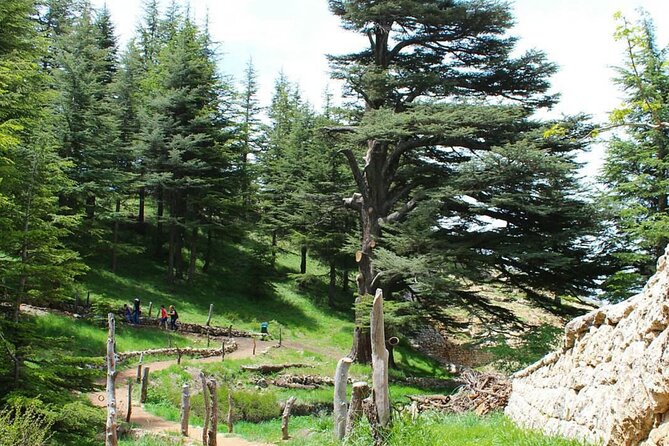
The first touring day heads toward the coast and mountains north of Beirut. The combination works well because the stops feel different: an underground cave, a hilltop Marian shrine, and an ancient port city.
At Jeita Grotto, the upper cave is reached by cable car and the lower section by a small boat. The route described covers about 400 meters of the lower grotto, while the full cave system extends much farther. You can expect roughly 90 minutes here, enough to appreciate the stalactites and stalagmites without turning the stop into an all-day expedition.
The cave visit is one of the tour’s more distinctive moments, but note that it is not simply a walk through one open cavern. You use different forms of transport within the site, including the cable car and boat.
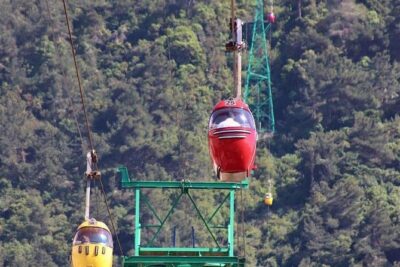
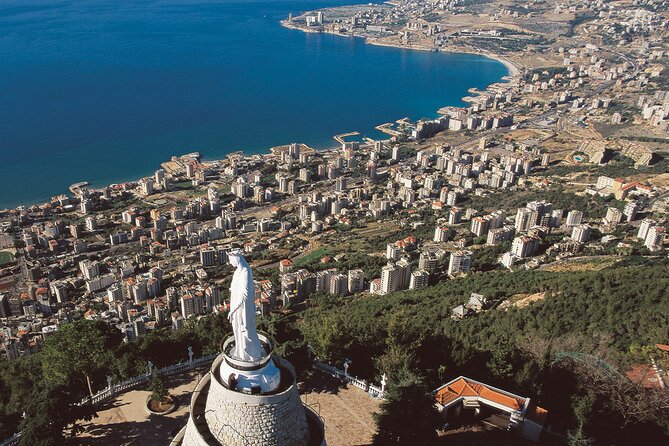
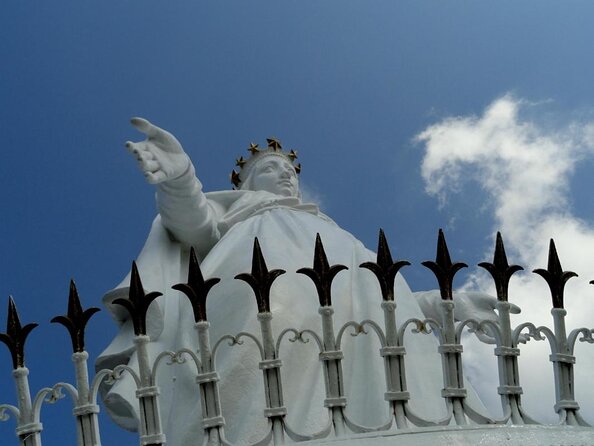
Harissa adds a change of scale. A large whitened bronze statue of the Virgin Mary overlooks Jounieh, and a spiral stair leads up toward panoramic views of the bay. The Téléferique cable car connects Jounieh with the shrine, and the nearby Notre Dame du Liban church gives the stop a religious and architectural side.
Only about 15 minutes is assigned to the shrine, church, and cable car portions individually. That suggests a photo stop and brief visit rather than a long pilgrimage experience. If you want extended quiet time at religious sites, this schedule may feel brisk.
Byblos receives the largest share of the day. Its citadel and 12th-century Crusader castle show how the city was defended and reused across different eras. Iron balls embedded in the walls are linked to catapult warfare, while a small museum offers a basic timeline of the civilizations that passed through the city.
The Roman Theater is another compact stop. Its original mosaic is now displayed at the Beirut National Museum, so the theater itself is the main attraction here. You also see the Abdul Majid Mosque, with its blue cupola and octagonal minaret, Saint John-Marc Cathedral, and the ancient port.
Free time in the old souk is a useful break after the archaeology. You can browse shops, choose a souvenir, or stop at one of the restaurants. Since the schedule allows about 30 minutes, keep your shopping plans modest. The ancient harbor is also a short visit, but it helps connect Byblos to its Phoenician trading past.
You return to Beirut for the night. This is a full day with many short stops, so comfortable shoes and a willingness to keep moving will help.
Baalbek, Anjar, and Chateau Ksara on Day 3
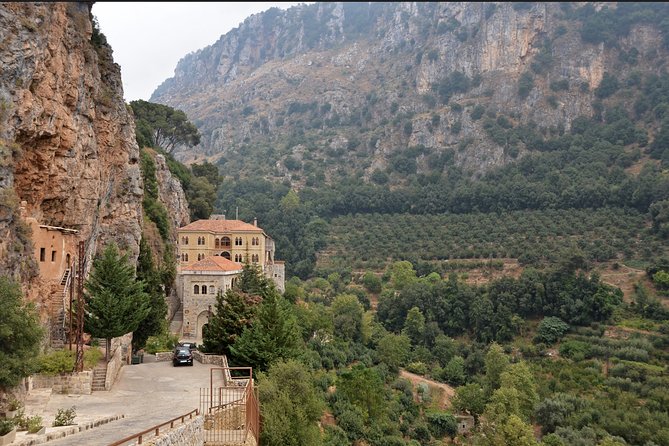
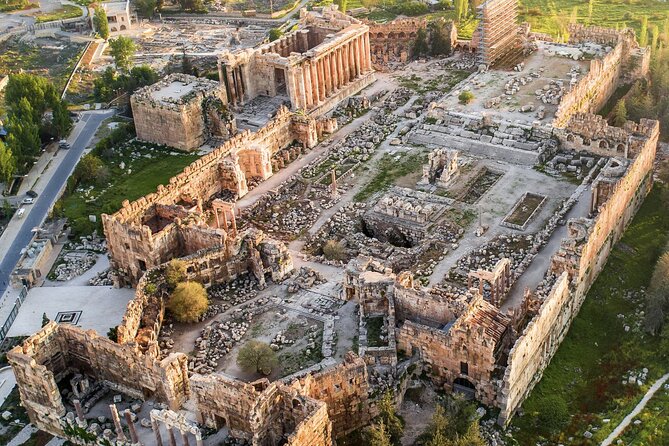
Day 3 heads into the Beqaa Valley and provides the tour’s strongest concentration of ancient monuments. Baalbek deserves the longest visit, with about two hours at the site before the itinerary moves on.
Baalbek was known in antiquity as a Phoenician center connected with the worship of Baal and Astarte. Under Roman rule, it developed into a major sanctuary, and the remains are still on a grand scale.
The Temple of Jupiter is the first major lesson in Roman ambition. Only part of the huge complex survives, but its columns and broad Great Court show how imposing the sanctuary must have been. The Temple of Bacchus is better preserved and is often the most visually complete building in the complex.
A smaller oval Temple of Venus adds another layer. It was later converted into a church dedicated to Saint Barbara, a reminder that sacred places were repeatedly adapted rather than simply abandoned.
Baalbek also includes a shrine to Sayyida Khawla, a pilgrimage site with Persian-style design, and the nearby Stone of the Pregnant Woman, or Hebla stone. The stone is linked to an old fertility legend. These shorter visits keep the day from being only a Roman archaeology lesson.
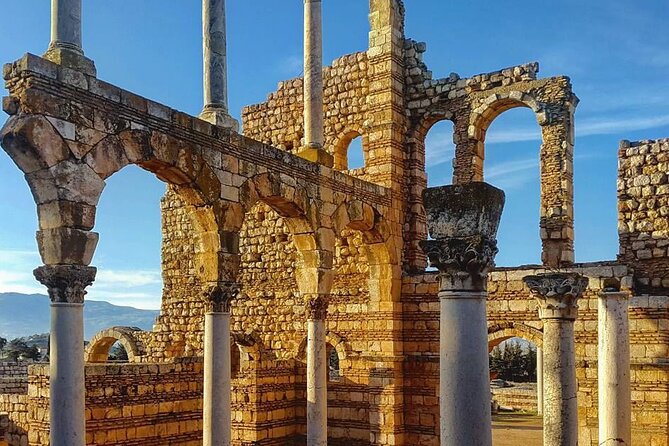
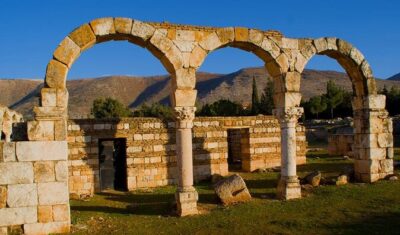
Anjar changes the mood. Founded by Caliph Walid I in the early eighth century, the Umayyad city has a notably regular plan. Its layout gives you a clear sense of organized urban design, with the ruins arranged more like a planned palace city than an irregular old settlement.
The final stop is Chateau Ksara, where you tour winery caves and taste Lebanese wine. This is a welcome sensory change after stone temples and ancient walls. The visit explains how the caves help preserve wine and gives you a chance to sample some of the local production.
Lunch is listed as included on an optional basis, so check the exact package details before assuming every meal is covered. Dinner remains your responsibility throughout the trip.
A different side of Lebanon altogether:
- First Paragliding Club in Lebanon – Since 1992
★ 5.0 · 193 reviews - Anjar, Baalbek & Ksara Day Trip – With Lunch (4G on Board)
★ 4.5 · 181 reviews - Jeita Grotto – Harissa – Byblos Trip
★ 5.0 · 169 reviews - Byblos, Jeita Grotto & Harissa Day Trip -With Lunch (4G on Board)
★ 4.5 · 145 reviews
Qadisha Valley and the Cedars of God on Day 4
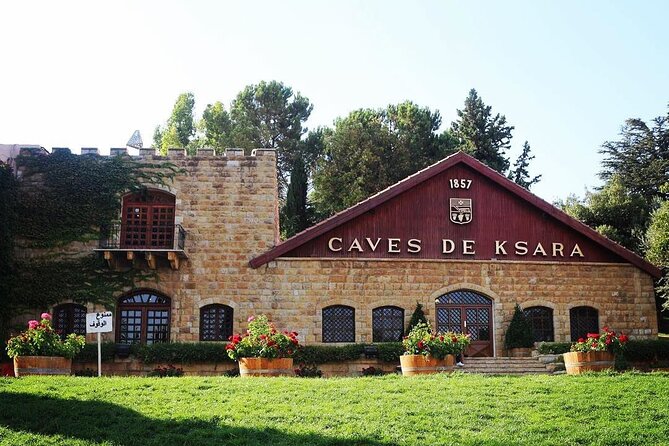
The northern mountain day trades grand ruins for high valleys, religious tradition, and Lebanese literary culture. Qadisha Valley is known as the Holy Valley because of its monasteries and is included on the World Heritage list.
The valley is a major Christian pilgrimage area, but its appeal is broader. It is a place where steep terrain and monastic life have shaped one another over many centuries. The itinerary allows about an hour, which gives you an introduction rather than time for an extended hike through the valley.
Bcharri receives two hours. This mountain village is linked to Khalil Gibran, the Lebanese writer, poet, and artist. The Gibran Museum contains 440 original paintings and drawings, along with his tomb, furniture, belongings from his New York studio, and private manuscripts.
That museum makes the day more personal. After several archaeological sites, you are no longer looking only at empires and rulers. You are seeing the work and everyday objects of one of Lebanon’s best-known modern cultural figures.
The Cedars of God follows with a walking visit through an ancient cedar forest. Cedar timber was prized by Egyptians, Romans, and Persians, and the remaining trees carry national importance. The walk is scheduled for about 30 minutes, so expect a short forest experience rather than a long trail outing.
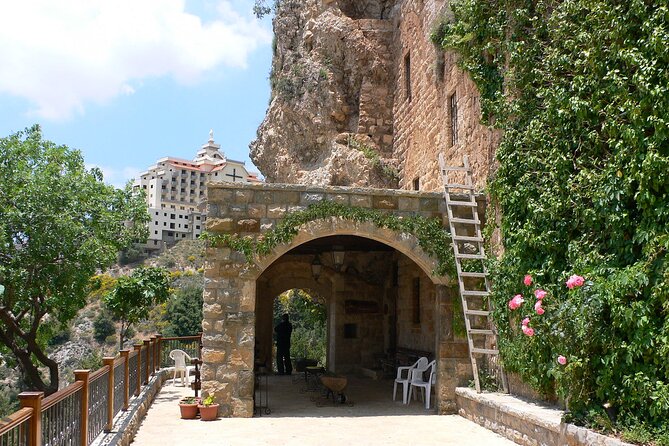
The Monastery of Saint Anthony the Great in the Valley of Kozhaya rounds out the day. It sits at about 950 meters and is associated with the long tradition of hermit life in the Qadisha area. Pine, oak, and fruit trees cover the surrounding hills, giving this stop a quieter feel than the crowded archaeological centers.
This is likely the most scenic day, but it is also one of the longer drives from Beirut. The mountain roads and sequence of stops may be tiring if you prefer a relaxed schedule.
Sidon, Tyre, and Maghdoushe on Day 5
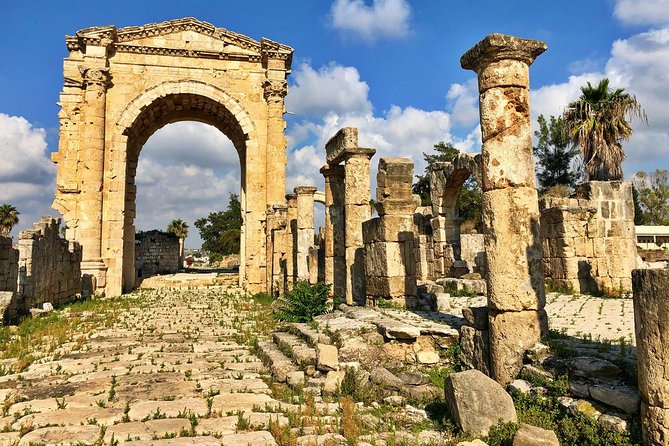
The final full day heads south to two Phoenician city states. Sidon begins the day with its Crusaders Sea Castle, built in 1228 on a small island and joined to shore by a stone bridge.
The castle was constructed on the site of a Phoenician temple and includes reused Roman stones and columns. Its position by the harbor makes the military purpose easy to understand. Give yourself time to look back toward the water and city, not just at the masonry.
Sidon’s Khan al-Franj was built in the early 17th century as a place where merchants could trade, rest, and store goods and animals. The Soap Museum occupies a restored 13th-century stone factory and explains the traditional manufacture of soap for local hammams.
Debbane Palace adds an Ottoman-era interior, with diwans, a liwan, mosaic tiles, striped stonework, and an open courtyard. The souks provide a short walk through older buildings and local shops. Together, these stops give Sidon more variety than a simple castle visit.
Tyre is known as the Queen of the Seas and was one of the leading Phoenician maritime cities. The tour visits the Al Bass archaeological site, including the Roman hippodrome and necropolis, then refers to the second archaeological area with Roman baths, homes, and an arena.
The hippodrome is enormous at 480 meters long and 90 meters wide, with an estimated capacity of 40,000 people. It was built for chariot races and helps you picture the scale of Roman public entertainment.
The necropolis contains hundreds of stone and marble sarcophagi and collective tombs. Some still contain bones, which may be unsettling for some people but also makes the site feel less like a reconstructed display.
Maghdoushe provides the religious finish. The shrine known as Our Lady of Awaiting, or Mantara, is linked to the tradition that Mary waited in a grotto while Jesus preached with his students. The visit lasts about an hour and gives the day a different focus after the coastal ruins.
This is another long day, and Sidon and Tyre each deserve more time than the schedule can provide. Still, the pairing makes sense for anyone who wants to see the southern coast without changing hotels.
What the $790 price includes, and what it does not
The $790 price covers five nights in four-star hotels, breakfast, airport transfers, four small-group tours, and local guides at Baalbek, Tyre, and Byblos. Several site admissions are included, including Jeita Grotto, the Harissa cable car, the Byblos castle area, the Gibran Museum, Sidon’s museums, and Tyre’s major sites.
Select lunches may be included depending on the chosen option. Dinner is not included, so budget separately for five evenings and confirm how the optional meal arrangements apply to your booking.
For a six-day route across Lebanon, the price is reasonable if you value door-to-door transport and a fixed schedule. It is less compelling if you mainly want free time in Beirut or prefer choosing your own restaurants, departure times, and museum visits.
The maximum group size of 15 is important. It will not make every long drive short, but it should allow a more personal exchange with the guide than a large coach tour. The strongest service detail available is the office support from Fatima and the positive account of Alex, who was described as responsive, responsible, accommodating, and consistently good-humored.
Who should book this Lebanon tour?
I would choose this tour for a first visit when you want the country’s major highlights in one organized package. It suits people who enjoy archaeology, religious sites, mountain villages, wine, and varied cultural stops more than people seeking a resort-style break.
The route also works well if airport arrival arrangements make you uneasy. Having someone meet you, assist with luggage, and take you to the hotel removes one early travel chore.
I would hesitate if you dislike early starts, long touring days, or short visits at major sites. Byblos, Baalbek, Qadisha, Sidon, and Tyre could each support a slower visit, but this program favors breadth.
The cancellation terms are worth checking before payment. A full refund is available when you cancel at least six full days before the start time. A cancellation two to six days ahead receives 50 percent, while cancellations under two days are not refunded.
FAQ
Where does the tour begin?
The tour begins at Beirut-Rafic Hariri International Airport in Beirut, Lebanon.
Is airport pickup included?
Yes. A representative meets you in the arrivals area with a sign bearing your name, assists with luggage, and transfers you to the hotel.
How many nights of accommodation are included?
The package includes five nights in a four-star hotel.
How large is the tour group?
The tour is limited to a maximum of 15 participants.
Which meals are included?
Breakfast is included, and lunch is listed as optional depending on the selected arrangement. Dinner is not included.
Which places are visited on Day 2?
Day 2 includes Jeita Grotto, the Shrine of Our Lady of Lebanon in Harissa, the Harissa cable car and church area, and Byblos, including its citadel, castle, Roman Theater, souk, cathedral, and port.
Which ancient sites are visited on Day 3?
Day 3 includes Baalbek and its Roman temples, the Temple of Jupiter, the Temple of Bacchus, the Temple of Venus, the Stone of the Pregnant Woman, the Umayyad ruins of Anjar, and Chateau Ksara.
Is an airport transfer provided at the end?
Yes. On Day 6, a representative collects you from the hotel, helps with your luggage, and drives you to the airport for departure.
Newest Beirut reviews
- Wine Tasting Tour★ 5.0 · 2 reviews
- Journey Through Time: Half-Day Private Tour to Baalbek★ 5.0 · 3 reviews
- Lebanon’s Treasures: Jeita Grotto and Harissa Private Tour★ 5.0 · 2 reviews
- Traveling Spoon Lebanese Mezze Private Online Cooking Class★ 5.0 · 4 reviews
- Wine Tasting and Culture★ 5.0 · 3 reviews
- Small Group Tour to Baalbek, Anjar & Ksara with Hotel pickup★ 5.0 · 2 reviews
- Small Group Tours to Jeita Grotto and Byblos with tickets★ 5.0 · 3 reviews
- Small-Group Tour with Lunch to Baalbek, Anjar and Ksara★ 5.0 · 3 reviews
Tours, compared.
Guided Small-Group Tour to Baalbek, Anjar and Ksara with Lunch
Read our review →
Guided Small-Group Tour to Jeita, Harissa, Byblos with Lunch
Read our review →
Private Anjar and Baalbek Tour from Beirut with Departure Ticket
Read our review →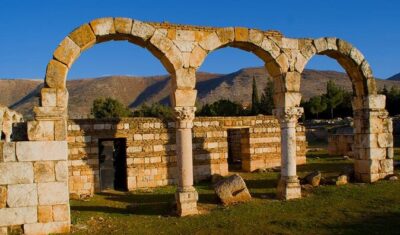
Guided Private Full Day Tour to Baalbek, Anjar and Chateau Ksara
Read our review →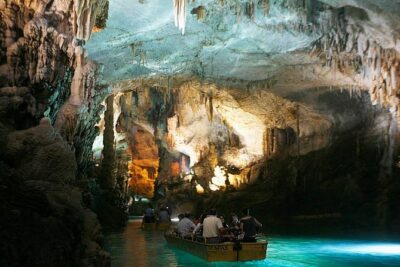
Semi-Private Tour to Jeita Grotto, Harissa & Byblos with Lunch
Read our review →
PRIVATE city Tour of authentic Tripoli and vibrant Batroun
Read our review →