
Review · JEITA GROTTO TOURS
Jeita-Byblos-Baalbek & Cedars w/pickup, guide, entries+lunch
Lebanon packs centuries into short drives. This three-day package gives you ancient ruins, mountain villages, caves, and coastal views without asking you to arrange a new driver each morning. I especially like the practical mix of major sights and Lebanese meals, plus the small group limit of nine people. The main drawback is the pace: three full day trips from Beirut mean plenty of road time and several busy sightseeing days.
I also like that the price includes the costly extras that can quietly add up, including cable cars, museum and monument entries, winery access, wine tasting, and lunch. The service has earned praise for friendly drivers and guides, including Ameen and Carla. Still, you should book this with realistic expectations: it is a broad introduction to Lebanon, not a slow holiday built around lingering at one place.
In This Review
- Key points at a glance
- What the $350 package really buys you
- Day one: Jeita Grotto, Harissa and old Byblos
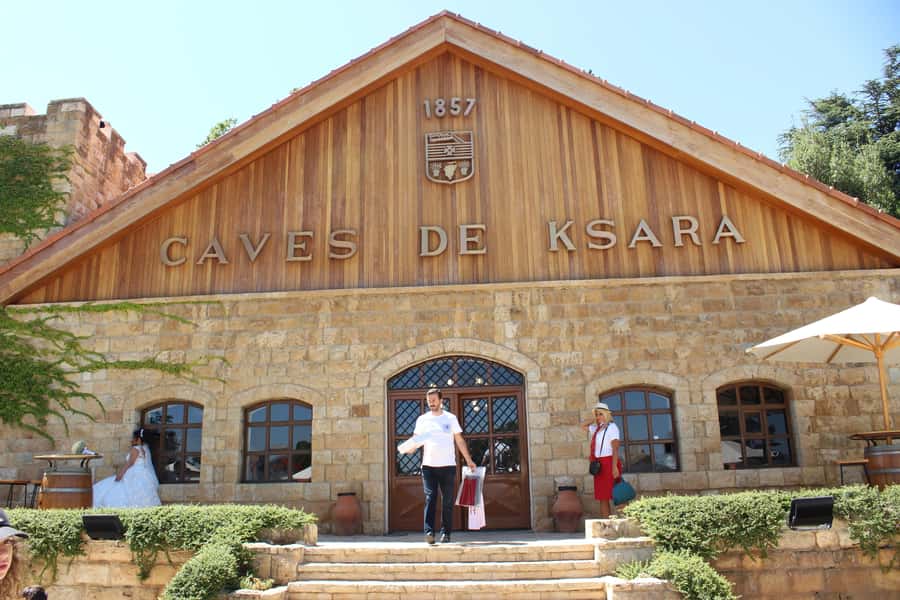
- Day two: Baalbek, Zahle and the caves beneath Chateau Ksara
- Day three: Cedars reserve, Deir el Qamar and Beiteddine
- Why the small group and guide matter
- Is three days enough for Lebanon?
- Practical advice before you book
- Who should book this experience?
- Final verdict: a strong three-day introduction
- FAQ
- How long is the tour?
- What is included in the price?
- Which attractions include entry tickets?
- What languages are available for the guide?
- How large is the tour group?
- Is hotel pickup included?
- Can I cancel the booking?
Key points at a glance
- Three different sides of Lebanon: See the Mediterranean coast, Bekaa Valley ruins, wine country, and Shouf mountains in one package.
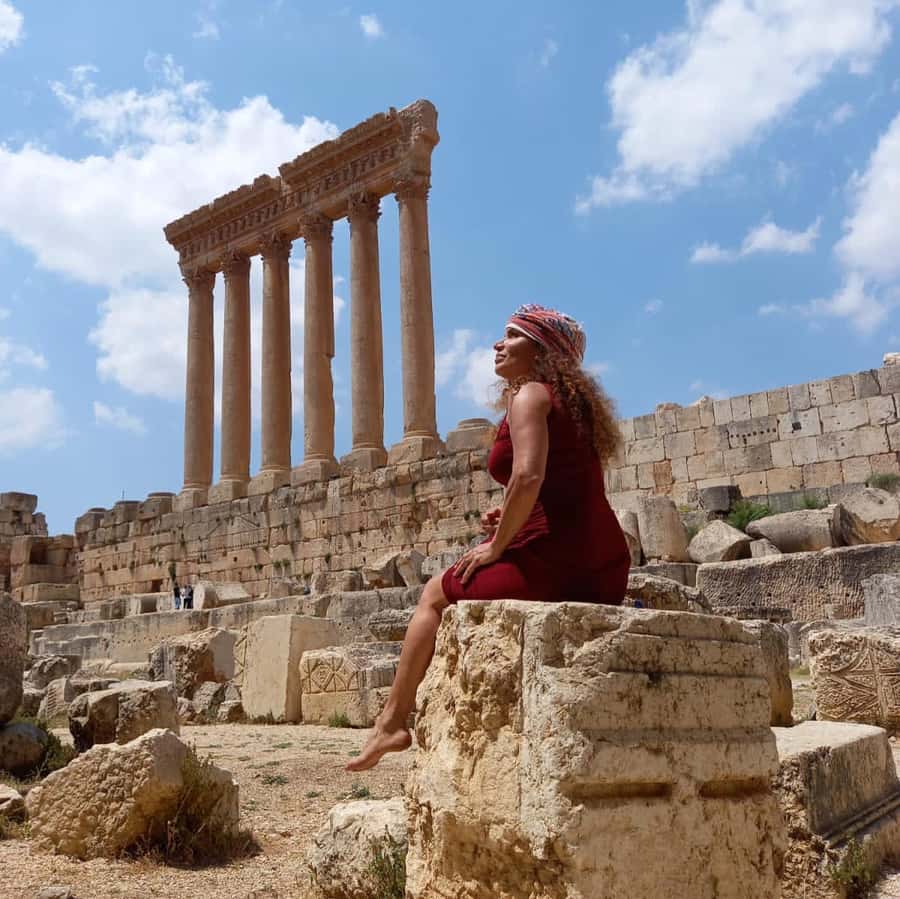
- Baalbek is the grand finale for ancient architecture: The Roman temples are the visual high point, with enormous columns and a scale that photographs struggle to capture.
- Jeita Grotto adds a cool underground break: The limestone caves offer a sharp contrast to sunny coastal Byblos and the views from Harissa.
- Meals are part of the experience: Traditional Lebanese lunch and mezze are included across the three days, adding real value to the $350 price.
- A small group keeps the tour manageable: With no more than nine participants, transport and guide access should feel more personal than on a large coach.
- The Cedars day is more than a forest stop: Deir el Qamar and Beiteddine Palace give the mountain excursion cultural depth.
What the $350 package really buys you
The price is $350 per person for three days of touring from Beirut. That works out to roughly $116.67 per day before you account for entrance fees and meals. The package includes hotel pickup and drop-off, a multilingual certified guide, transport, and a long list of admissions.
That list matters. You do not need to separately budget for Jeita Grotto, the Harissa cable car, Byblos Castle, Baalbek Temples, Chateau Ksara Caves, wine tasting, the Cedars reserve, or Beiteddine Palace. Traditional Lebanese lunch and mezze are included too.
I see this as a strong value for someone who wants broad coverage with little planning. You are paying for convenience as much as sightseeing. Three separate day trips would require finding reliable transport, checking opening arrangements, paying admission at several locations, and arranging meals. Here, those pieces are bundled together.
The tradeoff is control. You are not building each day around your own interests, and the schedule has to serve a small group. If you want an extra hour at Byblos or a long, quiet walk among the Cedars, the group timetable may not allow it.
Other ways to see the Jeita caves:
- Guided Small-Group Tour to Jeita, Harissa, Byblos with Lunch
★ 5.0 · 361 reviews - Jeita Grotto – Harissa – Byblos Trip
★ 5.0 · 169 reviews - Byblos, Jeita Grotto & Harissa Day Trip -With Lunch (4G on Board)
★ 4.5 · 145 reviews
Day one: Jeita Grotto, Harissa and old Byblos
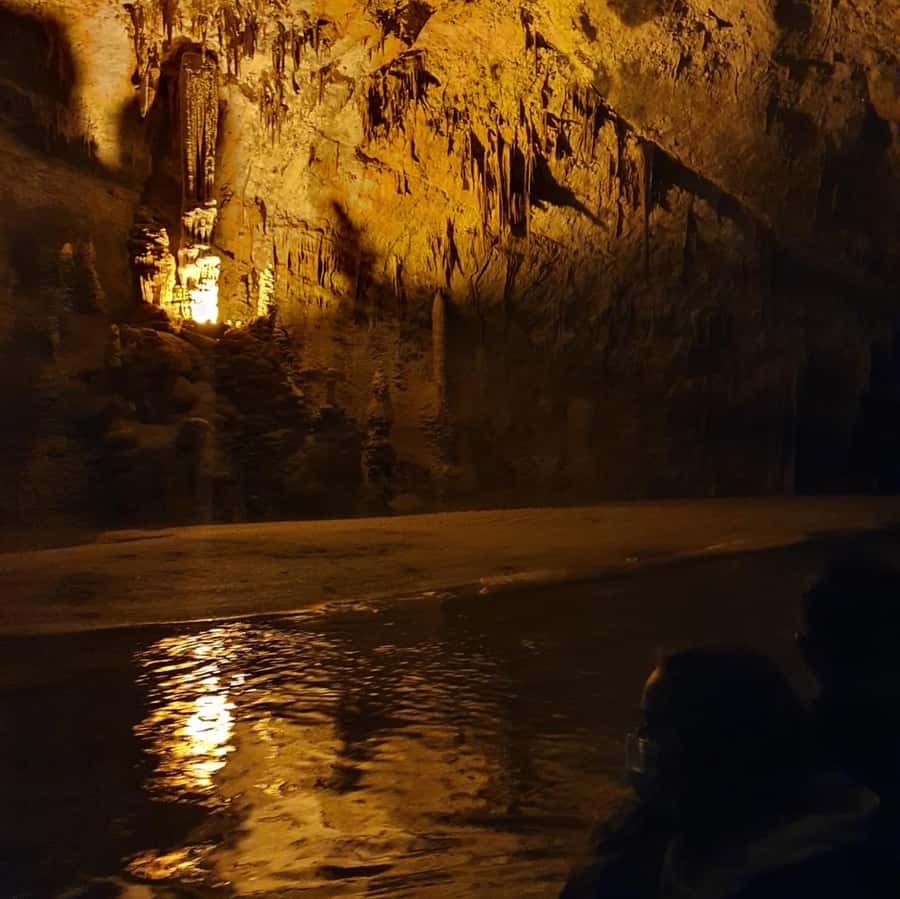
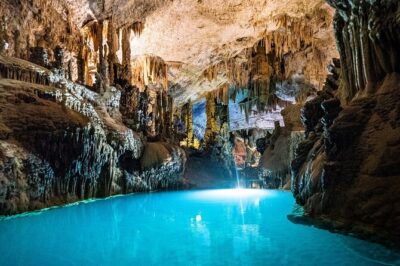
The first day combines three highly different stops. You begin at Jeita Grotto, a major natural attraction formed in limestone. The caves provide a cool, enclosed setting after time in the sun, and the shapes of the rock give the visit a sense of discovery without requiring a long mountain hike.
The included entry ticket removes one common bit of friction. You can focus on the cave system and the guide’s explanation instead of sorting out admission on arrival. Since the tour description does not give a precise time inside the grotto, expect the overall day to be shaped by the wider route rather than an extended cave study.
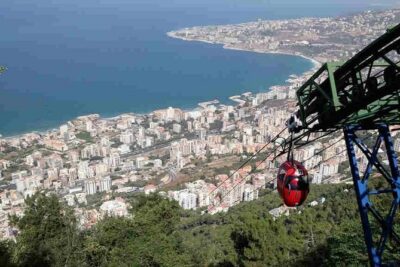
From Jeita, the route continues toward Harissa. The cable car is one of the most enjoyable details in the package because it changes the view as you rise above the Jounieh area. You get broad views toward Beirut and Jounieh Bay, making this more than a simple ride between two points.
Bring your camera, but also look down and around during the ascent. The value of the cable car is the changing viewpoint, not just the ride itself. If you dislike heights, this part may feel less relaxing than the rest of the day, though the ticket is already covered.
Byblos gives the day its ancient urban setting. The city is presented as one of the oldest inhabited cities in the world, with a Phoenician past that makes the ruins more meaningful than a quick photo stop. The included Byblos Castle entry gives you a defined place to explore and adds physical structure to the visit.
I like the contrast here. Jeita is natural and enclosed, Harissa is high and open, and Byblos connects you with Lebanon’s coastal past. You are not seeing three versions of the same attraction.
Lunch is served in a traditional Lebanese setting with a sea view. The meal includes Lebanese food and mezze, which makes the stop useful for more than refueling. Mezze is a social way to eat, with several small dishes shared across the table, so you get a better sense of the country’s food culture than you would from a single main course.
The possible weakness is the amount of ground covered. Jeita, Harissa, and Byblos each deserve time, but all three appear in one day. If your main goal is detailed archaeological study, this will feel like an introduction. If your goal is to understand Lebanon’s variety quickly, the combination works very well.
Day two: Baalbek, Zahle and the caves beneath Chateau Ksara
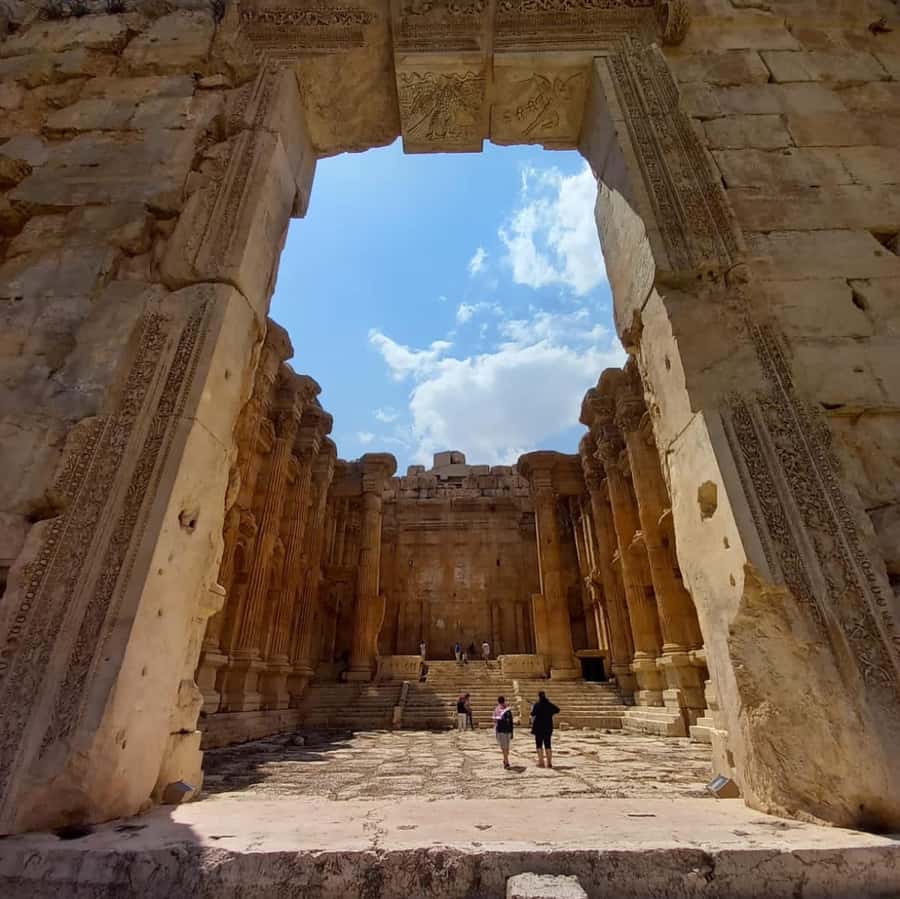
Day two heads inland toward Baalbek and Zahle. This is the day for grand scale, Roman engineering, and Lebanese wine. It also brings the longest-feeling historical stop, since Baalbek’s temple ruins are the sort of place where a guide can add real value.
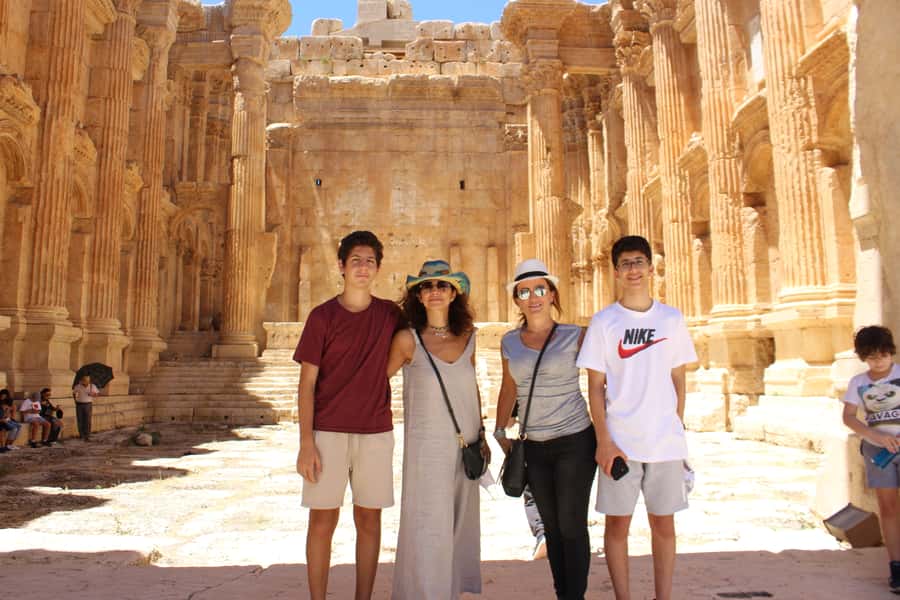
Baalbek is famous for its Roman temples, and the included entry ticket means you can concentrate on the remains rather than the cost of access. Expect columns, stonework, and open archaeological space. The temples are not a small collection of fragments tucked into a corner. Their scale is the point.
I would pay close attention to the guide here. A good explanation helps you understand what you are seeing, how the spaces were used, and why the surviving stones matter. The tour offers guides in English, French, Arabic, Italian, and Spanish, so you should select the language that lets you follow details comfortably.
The route also includes Zahle, giving the day a wider view of the Bekaa area rather than limiting you to a single monument. The itinerary identifies a traditional Lebanese brunch, which makes this meal different from the sea-view lunch on day one.
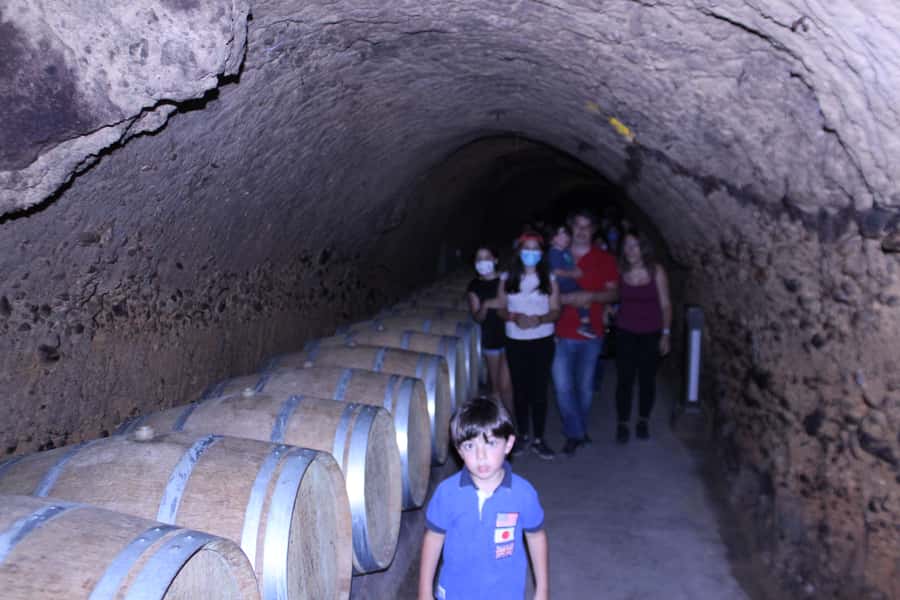
Chateau Ksara adds a change of pace. You visit the winery’s ancient caves, learn about its wine production, and take part in a tasting. This is a useful stop even if you are not a serious wine enthusiast because it links local food and drink with the region’s older underground spaces.
The wine tasting is included, as is entry to the caves. That improves the package value, especially for anyone who would otherwise skip a winery because of extra costs or transport concerns. You should remember that tasting is only one part of the day. Baalbek remains the central attraction, while Ksara gives the route a more relaxed food and drink element.
I like this day because it avoids making Lebanon’s past feel limited to ruins. You see monumental Roman remains, visit a working wine destination, and eat a local brunch. The drawback is that the day may feel heavy on stops if you prefer a slower rhythm. After Baalbek, you may want quiet time, while the schedule continues to Zahle and Ksara.
Day three: Cedars reserve, Deir el Qamar and Beiteddine
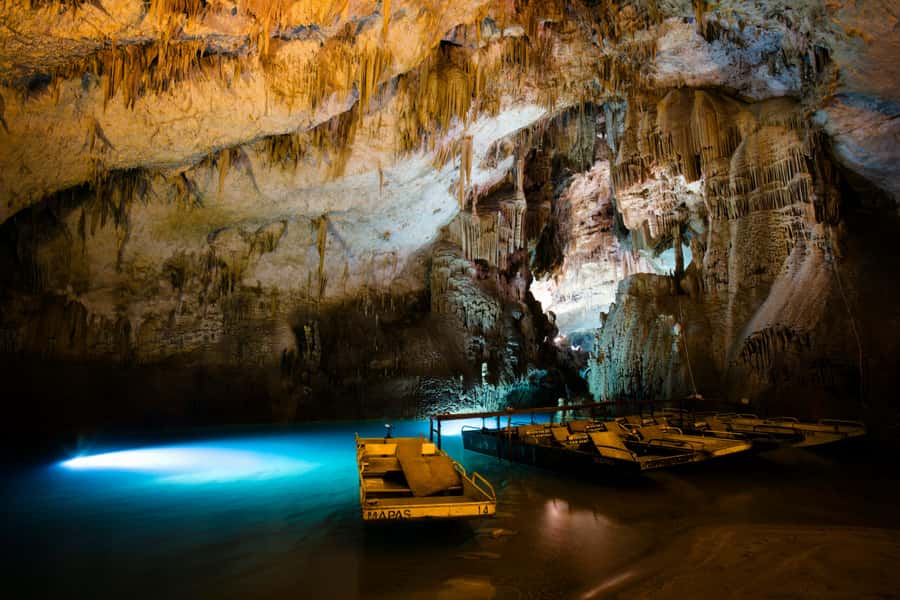
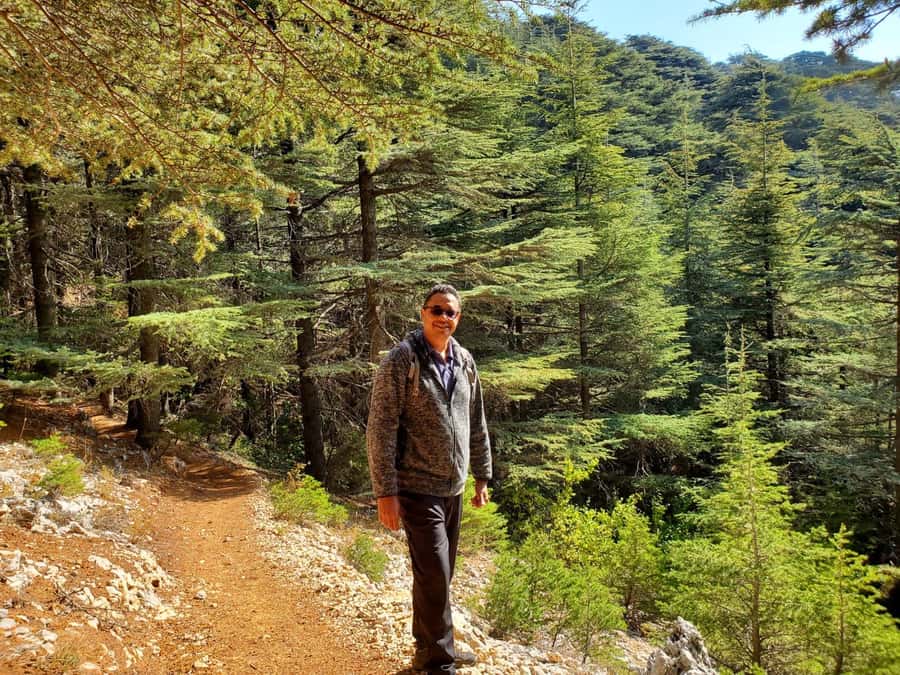
The third day moves into the Shouf mountains from Beirut. Its main natural stop is the Cedars reserve, described as the biggest cedar reserve in Lebanon. This is the day to expect cooler mountain air, forest walking, and a break from the stone-heavy sights of the first two days.
The cedar is more than a scenic tree in Lebanon. It is a major national symbol, so seeing the reserve gives the excursion cultural meaning as well as natural appeal. You are invited to walk through the forest, and the entry fee is included.
The available information does not specify the length or difficulty of the walk. For that reason, wear comfortable shoes and treat it as a guided forest visit rather than planning around a long hike. If you want a detailed trek, ask the operator about walking time before departure.
Deir el Qamar brings you into a mountain village setting. It gives the day a human scale after the wide forest and large palace complex. The village stop helps show how Lebanon’s mountain communities differ from the coastal cities and inland archaeological areas.
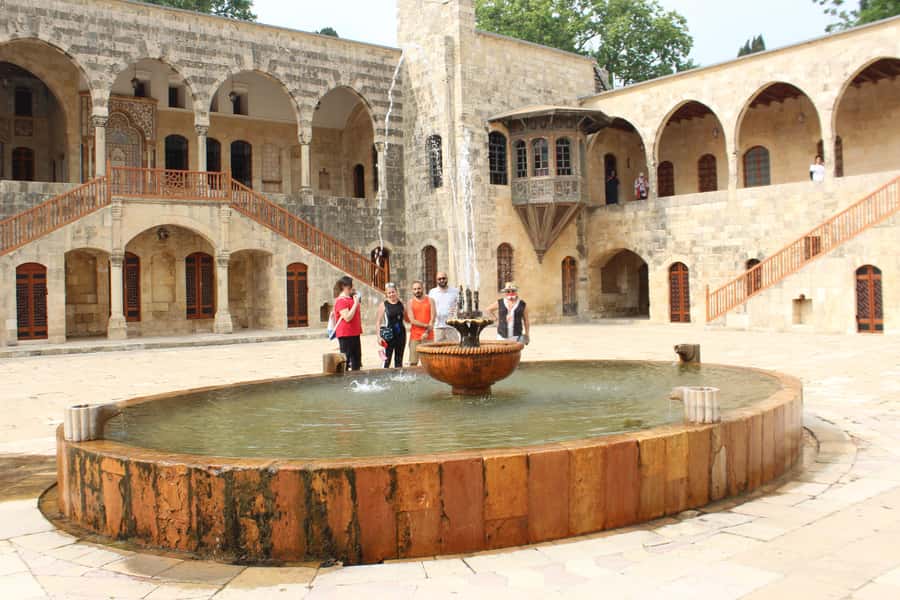
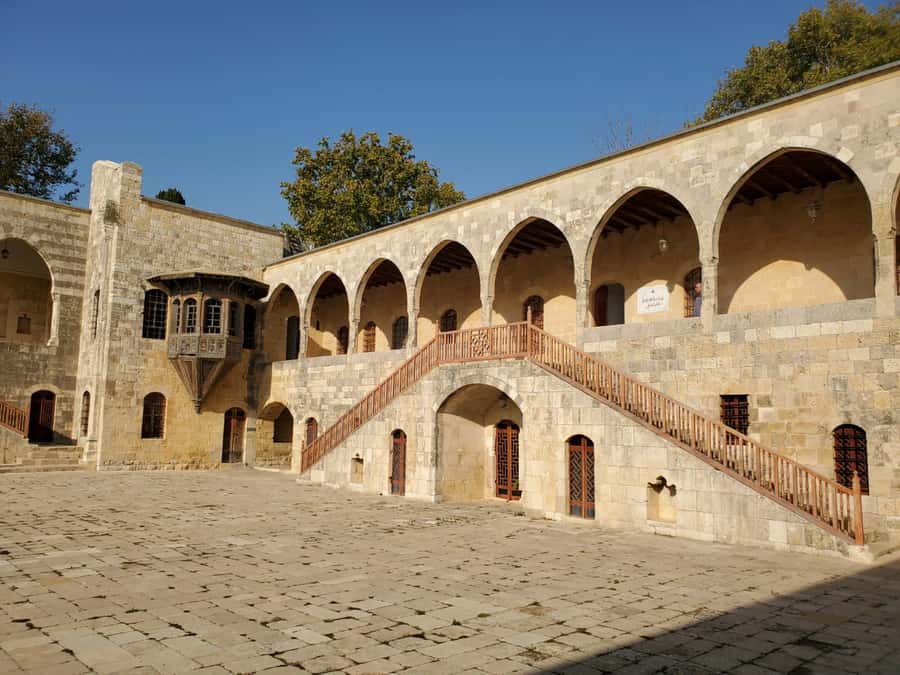
Beiteddine Palace is the architectural anchor of the day. Entry is included, so you can explore the palace as part of the route without another admission charge. The stop gives you a chance to see the country’s more recent political and cultural heritage alongside the much older Roman and Phoenician sites from the first two days.
Lunch is again traditional Lebanese food and mezze. Including lunch on all three days is one of the package’s strongest practical features. You avoid losing time searching for a restaurant, and you get repeated chances to try different dishes in a setting designed around local food.
This mountain day may appeal most to people who want a less museum-like experience. It includes walking, a village, a palace, and a meal rather than one major archaeological site. The catch is that mountain roads and several stops can make the day feel full, especially after two earlier outings.
More runs out to the Bekaa and its Roman temples:
- Guided Small-Group Tour to Baalbek, Anjar and Ksara with Lunch
★ 5.0 · 511 reviews - Anjar, Baalbek & Ksara Day Trip – With Lunch (4G on Board)
★ 4.5 · 181 reviews - Baalbek – Anjar – Ksara Trip From Beirut
★ 4.5 · 80 reviews - Private Anjar and Baalbek Tour from Beirut with Departure Ticket
★ 5.0 · 79 reviews
Why the small group and guide matter
The group is limited to nine participants. That is a useful middle ground: more social than a private tour, but much less cumbersome than a full-size coach. Pickup, parking, and regrouping should be easier with fewer people, though the exact vehicle is not specified.
Hotel pickup and drop-off are included from Beirut. You are asked to wait in the hotel lobby before the scheduled time, and the driver will wear a City Sightseeing uniform. That simple instruction matters in a city where finding the correct vehicle can otherwise waste time.
The guide service is multilingual, with English, French, Arabic, Italian, and Spanish available. The best results will come from confirming your preferred language when booking, since the quality of a history-heavy day depends on how easily you can follow the commentary.
The human side of the service has been a clear strength. Ameen is identified as a particularly good driver, with strong knowledge of the different stops, while Carla is described as welcoming and pleasant as a guide. Those details suggest a team that can make a packed schedule feel more comfortable.
Do keep in mind that driver and guide assignments can vary. The names are useful examples of the service level reported, not a guarantee that both will lead your particular departure.
Is three days enough for Lebanon?
Three days is enough to see a strong selection of headline sights, but not enough to know every part of the country. This package is best understood as a concentrated overview from Beirut.
The route covers:
- The coast and Jounieh Bay
- Jeita’s limestone caves
- Harissa’s high viewpoint
- Phoenician Byblos
- Roman Baalbek
- Zahle and Chateau Ksara
- The Shouf mountains
- The Cedars reserve
- Deir el Qamar
- Beiteddine Palace
That is an impressive range. You see natural sites, religious and scenic viewpoints, ancient cities, Roman monuments, wine country, forests, villages, and palace architecture. Few short packages offer such a broad picture.
The cost is time. Each day is a day trip from Beirut, so you will spend part of every outing on the road. That is not a flaw in itself. Lebanon’s major sights are spread across different parts of the country, and seeing them requires movement. But you should not book this expecting three leisurely neighborhood walks.
Practical advice before you book
Plan for three active days and keep your evenings flexible for rest. The itinerary includes several major stops per day, and the value comes from the range rather than long periods of free time.
Wear comfortable footwear for Byblos, Baalbek, the Cedars reserve, and Beiteddine Palace. The tour does not state exact walking distances, but all four locations can involve movement across uneven or expansive grounds.
Bring clothing that works for changing settings. You may move from coastal viewpoints to caves and then into mountain areas. The package description does not provide seasonal weather guidance, so check conditions before you leave and dress in layers if needed.
If food matters to you, this package is especially appealing. Lunch and mezze are included each day, and day two adds wine tasting. You should still confirm any dietary needs with the operator before departure, since the supplied information does not specify vegetarian, vegan, halal, or allergy arrangements.
The cancellation policy is flexible: you can cancel up to 24 hours before the tour for a full refund. You can also reserve now and pay later, which helps if your Beirut plans are not fully settled. Availability and starting times should be checked for your dates.
The tour is wheelchair accessible according to the supplied details. Because the itinerary includes caves, cable cars, archaeological sites, forest walking, and palace grounds, ask the provider how accessibility works at each individual stop if you have specific mobility needs.
Who should book this experience?
I would recommend it to a first-time visitor who wants a structured introduction to Lebanon and prefers not to organize several long day trips alone. It also suits people who value included meals, entrance fees, and hotel transport more than complete freedom over timing.
It is a good fit for history lovers who want Baalbek and Byblos, food-focused visitors who want Lebanese meals and mezze, and anyone interested in seeing how sharply the coast, Bekaa area, and Shouf mountains differ.
I would hesitate if you want a private itinerary, long hikes, late starts, or extended time at one site. The small group helps, but it is still a group tour with a full schedule. You will gain range, convenience, and value, while giving up some control.
Final verdict: a strong three-day introduction
This is a well-priced way to cover many of Lebanon’s best-known sights from Beirut. The strongest parts are the broad route, included admissions, repeated Lebanese meals, and the combination of guide support with a group capped at nine.
I especially like the balance between major monuments and experiences that feel less formal: the cable car above Jounieh Bay, the caves at Jeita and Ksara, the cedar forest, and traditional mezze. The Roman temples at Baalbek provide the biggest visual reward, while the third day gives the package a quieter mountain character.
Book it if you want to see a lot in three days and prefer having transport, guiding, and meals arranged. Skip it only if a packed schedule would frustrate you. For a first look at Lebanon, $350 buys a substantial amount of sightseeing and removes much of the planning work.
FAQ
How long is the tour?
The experience lasts three days, with three day trips departing from Beirut.
What is included in the price?
The price includes hotel pickup and drop-off, a multilingual certified guide, listed entrance fees, wine tasting and entry to Chateau Ksara Caves, traditional Lebanese lunch, and mezze.
Which attractions include entry tickets?
Entry is included for Jeita Grotto, the Harissa cable cars, Byblos Castle, Baalbek Temples, Chateau Ksara Caves, the Cedars reserve, and Beiteddine Palace.
What languages are available for the guide?
Guiding is available in English, French, Arabic, Italian, and Spanish.
How large is the tour group?
The experience is a small-group tour limited to nine participants.
Is hotel pickup included?
Yes. Hotel pickup and drop-off are included. You should wait in the hotel lobby before the scheduled pickup time, and the driver will wear a City Sightseeing uniform.
Can I cancel the booking?
Yes. You can cancel up to 24 hours in advance for a full refund. You can also reserve now and pay later.
More Cedars & Qadisha Valley Tours
- Guided Small-Group Tour to Qadisha, Bcharee & Cedars with Lunch
★ 5.0 · 39 reviews - Cedars of Lebanon, Qozhaya, & Bcharre – With Lunch (4G on Board)
★ 4.5 · 34 reviews - Cedars, Bsharre & Kozhaya Day Tour
★ 5.0 · 15 reviews - Guided small group to Cedars Reserve & Beiteddine w/lunch+entries
★ 5.0 · 12 reviews
More Byblos Tours
- Semi-Private Tour to Jeita Grotto, Harissa & Byblos with Lunch
★ 5.0 · 52 reviews - Small Group Tour to Jeita Grotto, Harisa & Byblos with Hotel pickup
★ 5.0 · 49 reviews - Private Guided Tour to Jeita Grotto through Harissa and Byblos
★ 5.0 · 48 reviews - New Guided Semi-Private Tour to Jeita Grotto, Harissa & Byblos
★ 5.0 · 47 reviews
Newest Beirut reviews
- Wine Tasting Tour★ 5.0 · 2 reviews
- Journey Through Time: Half-Day Private Tour to Baalbek★ 5.0 · 3 reviews
- Lebanon’s Treasures: Jeita Grotto and Harissa Private Tour★ 5.0 · 2 reviews
- Traveling Spoon Lebanese Mezze Private Online Cooking Class★ 5.0 · 4 reviews
- Wine Tasting and Culture★ 5.0 · 3 reviews
- Small Group Tour to Baalbek, Anjar & Ksara with Hotel pickup★ 5.0 · 2 reviews
- Small Group Tours to Jeita Grotto and Byblos with tickets★ 5.0 · 3 reviews
- Small-Group Tour with Lunch to Baalbek, Anjar and Ksara★ 5.0 · 3 reviews
Jeita Grotto Tours, compared.
Guided Small-Group Tour to Jeita, Harissa, Byblos with Lunch
Read our review →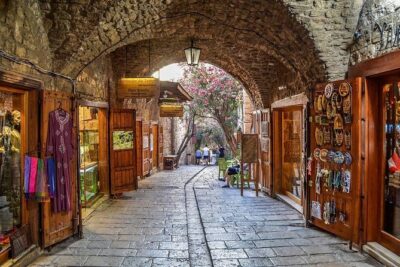
Byblos, Jeita Grotto & Harissa Day Trip -With Lunch (4G on Board)
Read our review →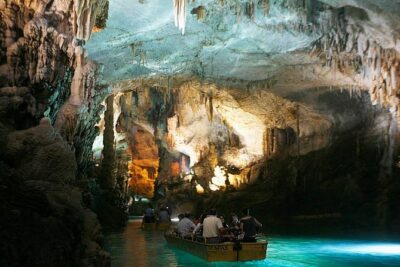
Semi-Private Tour to Jeita Grotto, Harissa & Byblos with Lunch
Read our review →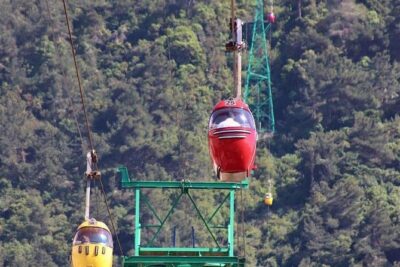
Small Group Tour to Jeita Grotto, Harisa & Byblos with Hotel pickup
Read our review →
Private Guided Tour to Jeita Grotto through Harissa and Byblos
Read our review →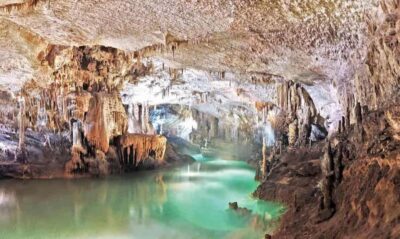
Jeita Grotto, Harissa & Byblos Private Day Tour
Read our review →
Jeita Grotto, Harissa, Byblos group tour & Guide
Read our review →Browse the lists this tour appears in