
Review · BAALBEK & BEKAA VALLEY TOURS
Full-Day Private Tour to Baalbek, Anjar And Ksara From Beirut
Ancient stones, modern wine, one long day. This private trip links Lebanon’s finest Roman monuments with the Umayyad ruins at Anjar and a stop at Château Ksara, giving you three very different views of the Bekaa Valley. I like the hotel pickup and private vehicle, which remove much of the day’s transport hassle, and I like the useful mix of archaeology, religious heritage, and wine. The main drawback is that lunch and admission fees are not included, so the $50 price is not the complete cost.
I also like the flexible feel of a private outing. The English-speaking driver takes only your group, and the air-conditioned car matters on a long day with several outdoor visits. Recent booking experience has been especially easy through WhatsApp, even with only a few days’ notice. Still, expect about eight hours on the road, with roughly one hour and thirty minutes at Baalbek, so this is a full schedule rather than a lazy excursion.
In This Review
- Key points at a glance
- Why this day trip works from Beirut
- Baalbek’s colossal Roman temples
- Sayyida Khawla Mosque and a living religious tradition
- The Stone of the Pregnant Woman
- Anjar’s planned Umayyad city
- Château Ksara and Lebanese wine
- Transport, timing, and the private format
- What to budget beyond the $50 price
- Who should book this experience?
- Should you book the Baalbek, Anjar, and Ksara tour?
- FAQ
- What time does the tour start?
- How long does the experience last?
- Is hotel pickup and drop-off included?
- Is the tour private?
- Is lunch included?
- Are admission fees included?
Key points at a glance
- Baalbek’s Temple of Bacchus and Temple of Jupiter provide the day’s biggest archaeological spectacle, with huge columns and remarkably preserved Roman construction.
- The Stone of the Pregnant Woman gives you a close look at the massive blocks intended for the nearby temple complex.
- Sayyida Khawla Mosque adds a living religious site to the ancient itinerary and reflects Baalbek’s importance to Shia Muslims.
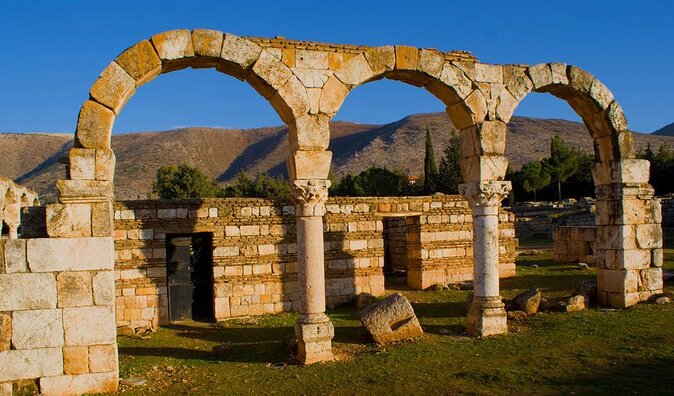
- Anjar’s Umayyad ruins show a planned inland trading city with palaces, baths, a mosque, and Roman-influenced columns.
- Château Ksara closes the day with Lebanese wine and a change of pace after several hours among ruins.
- Private transport for $50 per person can be strong value if your group fills the vehicle, though meals and site charges require extra money.
Why this day trip works from Beirut
Beirut is a rewarding base, but Lebanon’s major inland sights are spread across the Bekaa Valley. Reaching Baalbek, Anjar, and Ksara independently means arranging transport, watching the clock, and working out how to link sites that are not served as one simple sightseeing route. This tour handles that connection in a single day.
The schedule begins at 8:30 a.m., with pickup from your hotel. Private transportation, an English-speaking driver, and an air-conditioned vehicle are included. That setup is particularly useful if you are traveling with family or friends, since nobody outside your party joins the activity.
At $50 per person, the price looks attractive for a private day out, especially if several people share the vehicle. You should budget separately for lunch and admission at Baalbek, Anjar, and Château Ksara. The available details do not specify the individual entry charges, so keep Lebanese currency or a payment method accepted locally available rather than treating the advertised price as all-inclusive.
The day is best for someone who wants major sights without changing hotels. It is less suitable if you prefer slow, detailed archaeology at every stop. Baalbek alone can fill much of a day for a serious history fan, while this route adds two more locations and a winery before returning to Beirut.
More runs out to the Bekaa and its Roman temples:
- Guided Small-Group Tour to Baalbek, Anjar and Ksara with Lunch
★ 5.0 · 511 reviews - Anjar, Baalbek & Ksara Day Trip – With Lunch (4G on Board)
★ 4.5 · 181 reviews - Baalbek – Anjar – Ksara Trip From Beirut
★ 4.5 · 80 reviews
Baalbek’s colossal Roman temples
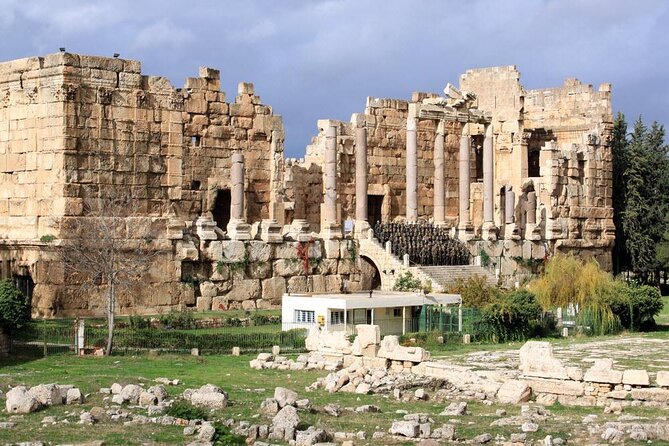
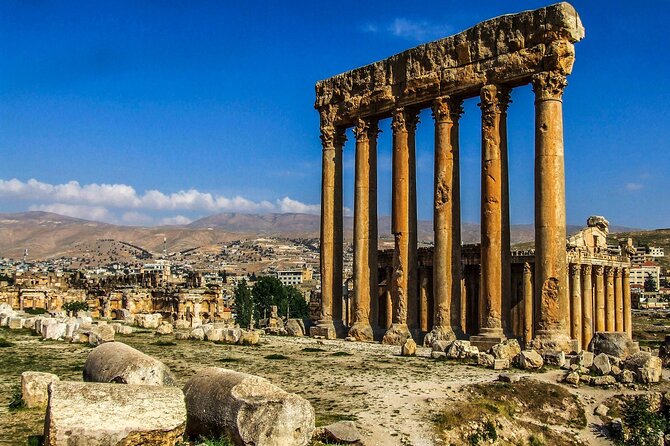
Baalbek is the main reason to choose this excursion. The Roman sanctuary is famous for the Temple of Jupiter and the Temple of Bacchus, both part of a monumental complex built on a scale that is hard to grasp from photographs. The ruins are among the best-preserved Roman temples in the region and rank among Lebanon’s most important ancient sights.
You have about one hour and thirty minutes here. I consider that enough for a strong first look, but not enough for an obsessive examination of every wall, column, and carved detail. Use the time well: focus first on the overall scale, then look closely at the surviving architectural details.
The Temple of Bacchus is especially impressive for its size and preservation. Its name comes from the Roman god associated with wine, which gives the later stop at Château Ksara a neat thematic echo, even though the two places belong to very different periods. The temple’s surviving structure helps you see how grand Roman religious buildings could be, rather than leaving you with only scattered foundations.
The Temple of Jupiter offers the grander sense of scale. The huge columns and elevated setting make the complex feel built to impress visitors and honor the gods at a very high level. I would not rush through this part. Pause often, look up, and compare your own size with the blocks around you. The physical scale is the story.
Admission to Baalbek is not included. The tour provides the ride and driver, but you pay the site charge separately. Since the length of your visit is fixed, arrive ready to move at a steady pace. Comfortable shoes are a sensible choice, although the supplied information does not describe the exact surface conditions throughout the site.
Sayyida Khawla Mosque and a living religious tradition
The visit to the Mosque of Sayyida Khawla offers a contrast to the ancient Roman remains. The mosque is believed to mark the burial place of Sayyida Khawla, daughter of Imam al-Hussein and granddaughter of the Prophet Muhammad. Local belief connects her death and burial with the passage of the captives of Karbala through Baalbek.
This stop matters because Baalbek is not only an archaeological destination. It is also a living place of faith. After looking at Roman temples built for ancient gods, you encounter a religious site that remains meaningful to the local Shia Muslim community.
The supplied schedule does not give a separate duration for the mosque, so your time there may be folded into the Baalbek visit. Follow the driver’s instructions and dress and behave respectfully at the religious site. The information provided does not state specific clothing rules, opening hours, or whether entry inside is guaranteed, so do not assume a full interior visit.
For me, this is one of the route’s more valuable details. It keeps the day from becoming a string of ruins with no connection to present-day life. You see that Baalbek’s importance did not end when Roman rule faded.
The Stone of the Pregnant Woman
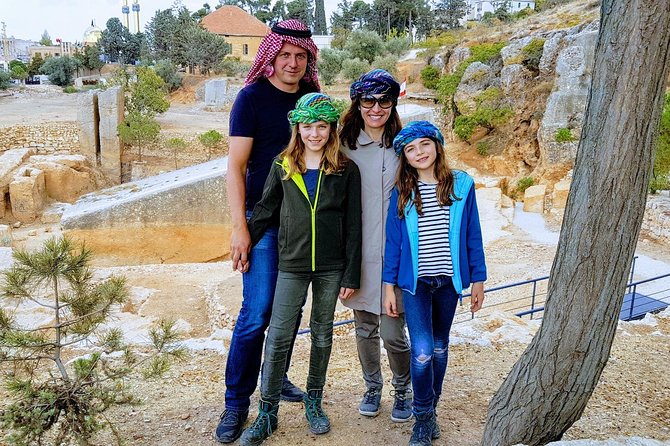
The Stone of the Pregnant Woman is a quick stop, scheduled for about fifteen minutes, but it gives you a memorable way to understand Roman building methods. This worked monolith is one of the enormous stone blocks quarried for the nearby temple complex. Another large block sits close by, and together they show the extraordinary size of the materials ancient builders planned to move.
The name is memorable, but the engineering is the real point. You can stand beside the stone and think about the labor, planning, and machinery needed to cut and transport it. The block was never simply a decorative object. It was intended as part of a vast construction project.
Entry is listed as free, which makes this an efficient addition to the day. Fifteen minutes is enough for photographs and a quick explanation, but you will not spend long studying the site. I like the stop because it adds physical evidence to what you have just seen at the temples. Instead of only admiring finished architecture, you also see the raw material and the ambition behind it.
Other Lebanese wine estates worth the drive:
- Guided Private Full Day Tour to Baalbek, Anjar and Chateau Ksara
★ 5.0 · 60 reviews - Lebanon tour Baalbek ruins & Ksara w/pick-up, lunch,guide+entries
★ 5.0 · 35 reviews - Baalbek Temples & Ksara Caves w/pick-up,guide, entries+lunch
★ 4.9 · 34 reviews - Small Group Tours to Baalbek, Anjar & Chateau Ksara with lunch and Tickets
★ 5.0 · 29 reviews
Anjar’s planned Umayyad city
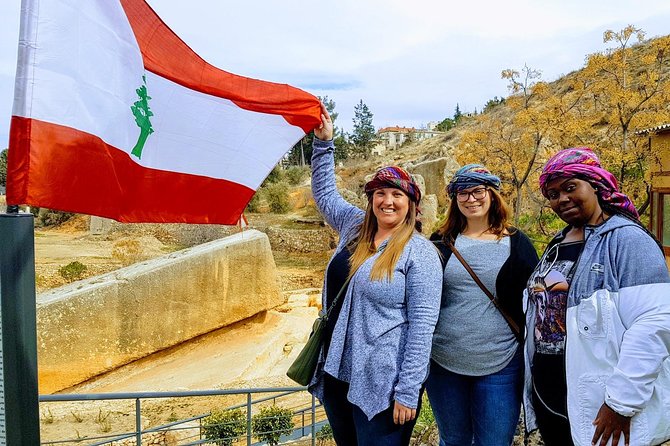
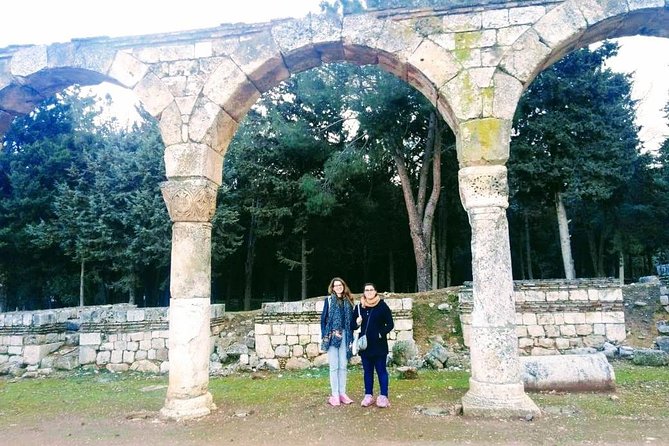
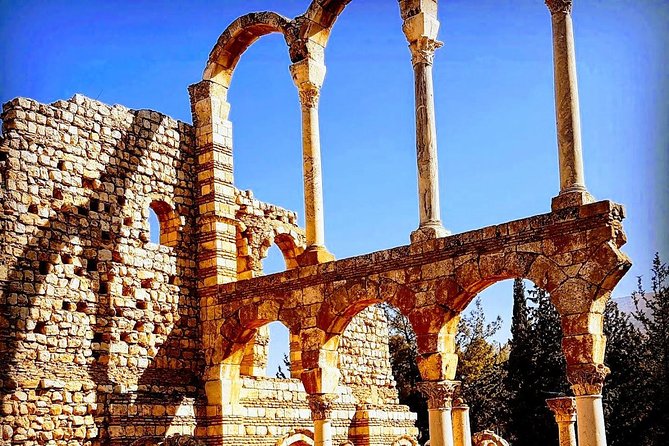
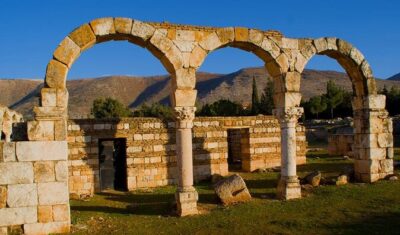
After Baalbek, the route shifts from Roman imperial architecture to the Umayyad ruins of Anjar. You have about one hour here. Anjar was an inland commercial center positioned at the meeting point of important routes, including the road from Beirut toward Damascus and routes across the Bekaa toward Homs and Tiberiade.
That location explains why the city was planned with trade and movement in mind. The ruins include the walls of the Umayyad palace, harems, a mosque, the caliph’s great palace, thermal baths, and numerous columns. Some architectural elements show Roman influence, so the site also connects neatly with Baalbek.
Anjar was identified by archaeologists only in the late 1940s. That recent discovery gives the place a different feel from Baalbek, whose fame has lasted for centuries. At Anjar, you are looking at a city whose remains had to be brought back into public view through archaeological work.
I would use the hour to imagine the city as an organized settlement rather than a pile of disconnected stones. Look for the relationship between public buildings, palace areas, religious space, baths, and routes through the site. The planned layout is the key.
Admission is not included. Like Baalbek, Anjar is an outdoor archaeological visit, so the fixed one-hour stop will suit you best if you are happy with an overview. If you want lengthy explanations of Umayyad architecture or time for detailed photography, the schedule may feel brisk.
The contrast between the two ancient sites is what makes the route worthwhile. Baalbek shows monumental Roman religious architecture. Anjar shows an early Islamic city designed for commerce, administration, and daily life. You get more than one chapter of Lebanon’s past in a single day.
Château Ksara and Lebanese wine
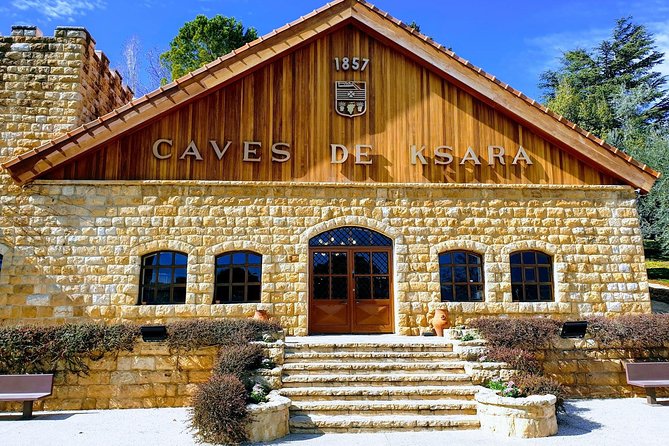
The final planned stop is Château Ksara, a winery in the Bekaa Valley founded by Jesuit priests in 1857. The winery developed Lebanon’s first dry wine and now produces about three million bottles each year, with exports to more than forty countries.
You have about one hour here. After several hours at archaeological sites, the change of pace should be welcome. The stop gives you a chance to sample Lebanese wine and choose from different styles suited to different tastes and occasions. The supplied information describes a wine tasting, but it does not confirm that tasting fees are included, so check what is covered when you book or arrive.
I like the way Ksara broadens the day beyond ancient monuments. Lebanon’s food and wine traditions are an important part of its identity, and this stop gives you a direct connection to a working local producer. It also keeps the itinerary from feeling like an archaeology exam.
Do not expect the winery visit to replace a full wine tour. One hour is a short introduction, and the exact tasting format is not provided. If wine is your main interest, ask in advance what wines will be offered and whether any tasting or cellar charges are separate. If wine is simply a pleasant finish, the short visit should fit the day nicely.
Transport, timing, and the private format
The private format is the tour’s clearest practical advantage. You travel only with your own group, rather than waiting for a large coach or adjusting every stop around strangers. That can make the day easier for families, couples, and small groups with different energy levels.
The air-conditioned vehicle is another useful inclusion. The tour lasts about eight hours, and the route includes outdoor ruins, so climate control matters during the drive between stops. Hotel pickup and drop-off also mean you do not need to arrange a separate taxi to a city meeting point.
The English-speaking driver is there to keep the day moving and help with the route. The information does not promise a dedicated archaeological guide, so I would not book this expecting a detailed lecture at every monument. If you want expert interpretation, ask whether a guide can be added.
Communication appears straightforward. Booking with only a couple of days’ notice has been possible, and WhatsApp has been used to coordinate easily with Beirut Airport Transfer. That is useful in Beirut, where plans can change quickly, but you should still confirm your pickup time and hotel details after booking.
The schedule begins at 8:30 a.m. and covers four main stops, plus the mosque and the stone monument. That is efficient, but it also means you should be ready at the agreed pickup time. A late start could reduce time at the ruins or make the return to Beirut longer.
What to budget beyond the $50 price
The $50 per person rate covers private transportation, the English-speaking driver, hotel pickup and drop-off, and an air-conditioned vehicle. For a group that can share the private transport, that can be good value.
The price does not include lunch. It also does not include admission at Baalbek, Anjar, or Château Ksara. The Stone of the Pregnant Woman is listed as free, but the other site charges are separate. Because exact fees are not provided, I would ask for current prices before departure and carry enough money for the day.
Lunch is the main missing piece. You have several stops, but no restaurant or meal is specified. Plan to ask the driver about lunch arrangements or bring something suitable if you prefer not to lose time. Do not assume food is included simply because the excursion lasts all day.
The value depends on your group size and priorities. A solo visitor may find the total cost less attractive once entry charges and lunch are added. Two or more people may find the private vehicle and door-to-door service much more appealing than arranging separate transport.
Who should book this experience?
I would recommend this day to you if you want to see Baalbek but also want more than one ancient site. The combination of Roman temples, an early Islamic city, a religious landmark, a giant quarry block, and a winery gives the day useful variety.
It suits first-time visitors to Lebanon who have limited time in Beirut. It also works well for small groups that value privacy and simple transport. The half-day Byblos outing offered by the same company can pair well with this excursion if you want another major historic destination during your stay.
I would hesitate if you need long, specialist-level visits. Baalbek receives only about ninety minutes, and Anjar receives about an hour. You will see the essentials, but you may need a separate visit if archaeology is your main purpose.
I would also hesitate if you want a completely prepaid day. Lunch and several admissions are extra, and the wine tasting details are not fully specified. The low headline price is appealing, but you need to add those costs before comparing it with other options.
Should you book the Baalbek, Anjar, and Ksara tour?
Book it if you want a private, efficient day from Beirut and value variety over long stays at one site. Baalbek is the star, Anjar adds an important Umayyad chapter, and Château Ksara gives the day a relaxed Lebanese finish.
Before paying, confirm the current admission charges, the wine tasting arrangements, and how lunch will work. If you accept the eight-hour pace and extra costs, this is a practical way to reach three major Bekaa Valley sights with minimal transport stress. Free cancellation is available when you cancel at least 24 hours before the start time, but changes or cancellations inside that window are not accepted.
FAQ
What time does the tour start?
The tour starts at 8:30 a.m.
How long does the experience last?
The full excursion lasts approximately eight hours.
Is hotel pickup and drop-off included?
Yes. Hotel pickup and drop-off are included, along with private transportation and an air-conditioned vehicle.
Is the tour private?
Yes. Only your group participates in the activity.
Is lunch included?
No. Lunch is not included in the tour price.
Are admission fees included?
No. Admission fees for Baalbek, Anjar, and Château Ksara are not included. The Stone of the Pregnant Woman is listed as free.
Newest Beirut reviews
- Wine Tasting Tour★ 5.0 · 2 reviews
- Journey Through Time: Half-Day Private Tour to Baalbek★ 5.0 · 3 reviews
- Lebanon’s Treasures: Jeita Grotto and Harissa Private Tour★ 5.0 · 2 reviews
- Traveling Spoon Lebanese Mezze Private Online Cooking Class★ 5.0 · 4 reviews
- Wine Tasting and Culture★ 5.0 · 3 reviews
- Small Group Tour to Baalbek, Anjar & Ksara with Hotel pickup★ 5.0 · 2 reviews
- Small Group Tours to Jeita Grotto and Byblos with tickets★ 5.0 · 3 reviews
- Small-Group Tour with Lunch to Baalbek, Anjar and Ksara★ 5.0 · 3 reviews
Baalbek & Bekaa Valley Tours, compared.
Guided Small-Group Tour to Baalbek, Anjar and Ksara with Lunch
Read our review →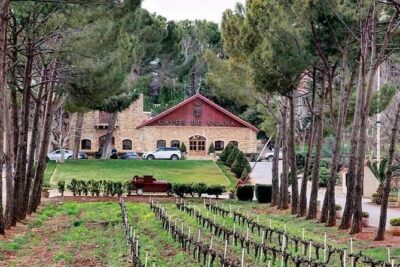
Anjar, Baalbek & Ksara Day Trip – With Lunch (4G on Board)
Read our review →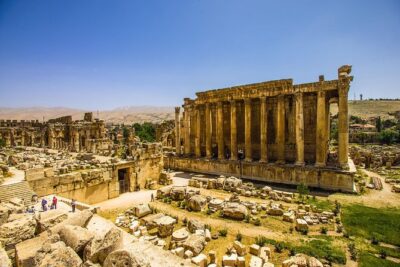
Private Anjar and Baalbek Tour from Beirut with Departure Ticket
Read our review →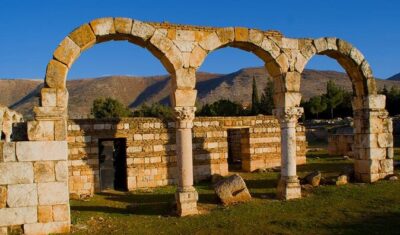
Guided Private Full Day Tour to Baalbek, Anjar and Chateau Ksara
Read our review →
Lebanon tour Baalbek ruins & Ksara w/pick-up, lunch,guide+entries
Read our review →
Baalbek Temples & Ksara Caves w/pick-up,guide, entries+lunch
Read our review →
Small Group Tours to Baalbek, Anjar & Chateau Ksara with lunch and Tickets
Read our review →Browse the lists this tour appears in