
Review · BEITEDDINE & DEIR EL QAMAR TOURS
Full-Day Private Tour to Beiteddine, Deir El Qamar, Mousa Palace
A palace, a castle, and a mountain town. This eight-hour outing gives you a simple way to leave Beirut behind and see three of the Chouf region’s best-known sights in one day. I like the private air-conditioned vehicle and the hotel pickup and drop-off, which remove much of the day’s fuss.
I also like the mix of grand architecture, local religious history, and one man’s wonderfully unusual castle project. The main drawback is that admission fees and lunch are extra, so the $50 price per person is not the final cost.
In This Review
- Key points at a glance
- Why this Chouf day trip works well from Beirut
- Beiteddine Palace: the grand opening stop
- Moussa Castle: one builder’s very personal project
- Deir El Qamar: a compact town with many layers
- Fakhreddine’s Mosque and the town’s religious story
- Saydet El Talle Church and an old local legend
- What the $50 price really covers
- Timing, comfort, and what to bring
- Who should book this private Chouf tour
- Should you book it?
- FAQ
- What is included in the tour price?
- Are admission tickets included?
- Is lunch included?
- What time does the tour begin?
- How long does the tour last?
- Is this a private tour?
- Can I receive a group discount?
- Can I cancel for a full refund?
Key points at a glance
- Beiteddine Palace was built over 30 years, from 1788 to 1818, and still serves partly as Lebanon’s presidential summer residence.
- Moussa Castle is a personal dream in stone, created by Moussa Al Maamari after he first imagined it as a teenager.
- Deir El Qamar brings several faiths into one small town, with a mosque, churches, and a history that also includes a synagogue.
- The tour is private, so only your group rides in the vehicle and follows the day’s schedule.
- The $50 rate covers transport and the driver, but not entry tickets, lunch, or gratuity.
- The day begins at 9:00 am and lasts about eight hours, making it a useful full-day outing from Beirut.
Why this Chouf day trip works well from Beirut
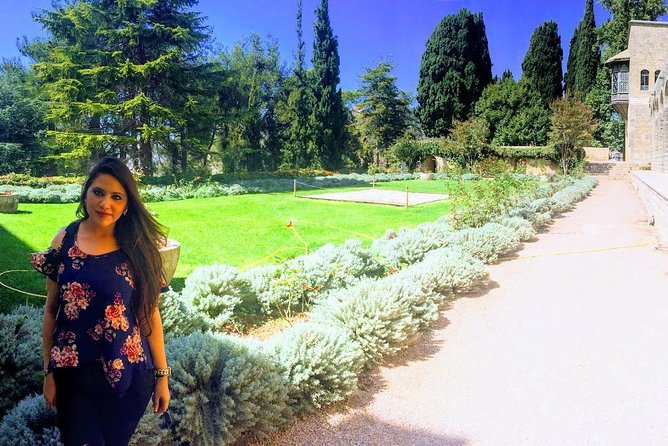
The Chouf region gives you a very different side of Lebanon from Beirut. Instead of city streets, you spend the day among mountain towns, old stone buildings, palace courtyards, and places shaped by Lebanon’s religious and political past.
This route is especially useful if your time in Lebanon is short. You do not need to arrange separate transport to Beiteddine, Moussa Castle, and Deir El Qamar. A private vehicle links the three stops, and hotel pickup and return are included.
I see the private format as the biggest practical advantage. You are not sharing the day with a large group, and only your own party participates. That can make a big difference when you want to pause for photographs, ask questions, or move on without waiting for strangers.
The driver speaks English, which helps with basic communication and orientation. The available information does not identify the driver by name or promise a dedicated historian, so you should think of this as a private sightseeing trip with an English-speaking driver rather than a formal specialist-led lecture.
The two available comments praise the service, the lack of hassle, and the chance to learn about Beiteddine, Deir El Qamar, and Moussa Palace. One group also described seeing several Lebanese towns, including these stops, as a beautiful part of its trip. That fits the tour’s strongest quality: it makes a historically dense part of Lebanon easy to reach in one day.
More trips through the Chouf palaces:
- Guided small group to Cedars Reserve & Beiteddine w/lunch+entries
★ 5.0 · 12 reviews - Beirut, Beiteddine & DeirElQamar Day Trip-With Lunch(4G on Board)
★ 4.5 · 12 reviews - Cedars Shouf & Beiteddine w/pick-up, guide, entries+lunch
★ 4.7 · 12 reviews
Beiteddine Palace: the grand opening stop
You spend about 90 minutes at Beiteddine Palace. The admission ticket is not included, so allow for that extra cost before you book.
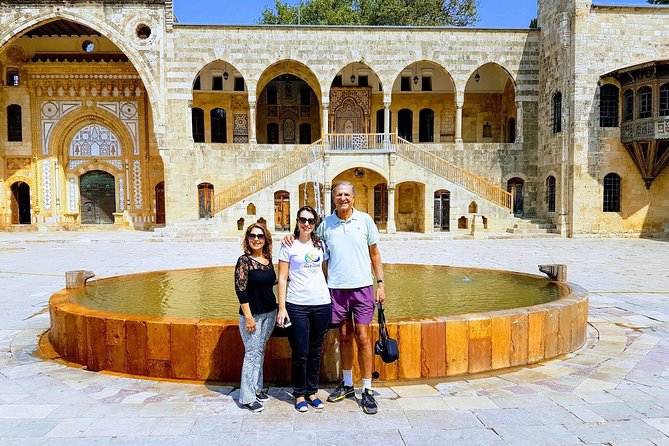
The palace is known as Beiteddine, or House of Faith. Emir Bashir Chehab II built it between 1788 and 1818, when he ruled the Mount Lebanon Emirate. Thirty years of construction tells you something about the scale and ambition of the project. This is not a quick roadside photo stop.
The building has also served several roles. After 1840, the Ottomans used it as a government building. During the French Mandate, it became a local administrative office. In 1943, it was named the official summer residence of Lebanon’s president.
That political story gives the palace more weight than its decorative appearance alone. You are looking at a building that shifted from an emir’s residence to an Ottoman office, a French administrative center, and a presidential retreat.
The Lebanese Civil War badly damaged Beiteddine Palace. Parts have been restored and opened to the public, while other sections remain in use as the president’s summer residence. Because of that, do not expect every part of the palace to be accessible.
The palace also hosts the annual Beiteddine Festival and contains the Beiteddine Palace Museum. With 90 minutes here, you should have enough time for a meaningful visit, though the exact amount you can see depends on which areas are open on the day.
I would give this stop your full attention at the start of the tour. It provides the clearest introduction to the Chouf’s rulers, government, and changing fortunes. If you enjoy architecture and political history, this will likely be the anchor of your day.
Moussa Castle: one builder’s very personal project
The visit to Moussa Castle lasts about 90 minutes, and admission is also extra.
Moussa Castle tells a different kind of story from Beiteddine. Beiteddine reflects the power of an emir and later governments. Moussa Castle began with one person’s private ambition.
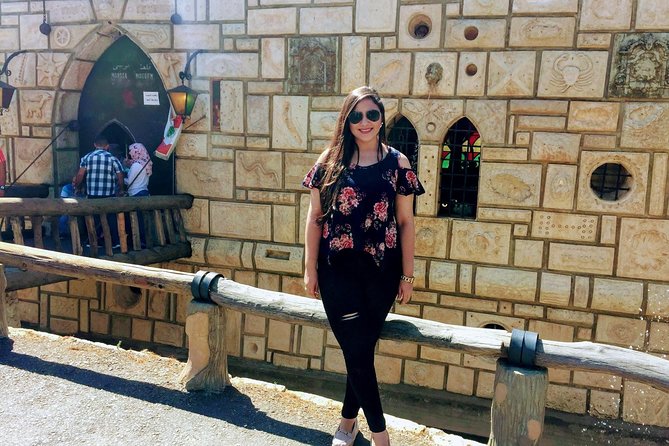
Moussa Al Maamari was born on July 27, 1931. He first dreamed of building his own castle when he was 14 years old, hoping to impress a local girl he loved. The castle was eventually built on the hill between Deir El Qamar and Beiteddine.
That background makes the stop feel more personal and unusual. You are not simply looking at an old fortress or a royal residence. You are seeing the result of a lifelong idea, with the builder’s beliefs and thoughts engraved on its stones.
I like the contrast between this stop and Beiteddine. The first palace represents formal authority and centuries of public use. Moussa Castle represents persistence, romance, and an individual’s desire to create something lasting.
The supplied details do not list the castle’s individual rooms, displays, or exact ticket price, so you should not book this expecting a specific museum program. The reliable point is the central story: Moussa Al Maamari built the castle around a dream that began in adolescence.
The 90-minute visit gives this place equal time with Beiteddine. That suggests you should treat it as a major part of the day, not a quick photo stop. I would pay attention to the carved or engraved details, since the builder’s ideas are part of the attraction.
This is likely the most memorable stop for visitors who enjoy eccentric buildings and human stories. If you prefer only ancient monuments, it may feel less essential than Beiteddine or Deir El Qamar. Its value comes from the personality behind it.
Deir El Qamar: a compact town with many layers
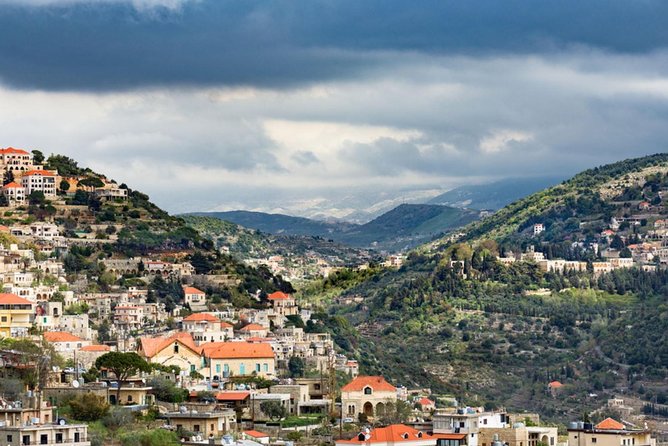
The tour allows about 30 minutes at the Deir El Qamar municipality area, with no admission fee listed for this stop.
Deir El Qamar means Monastery of the Moon. The town sits about five kilometers from Beiteddine Palace in the Chouf District, southeast of Beirut. Its short distance from the palace makes it a natural part of this route.
The town was the first village in Lebanon to have a municipality, established in 1864. That detail may sound administrative, but it points to Deir El Qamar’s long civic role. It was not simply a collection of old houses. It was an important center with public and religious life.
Deir El Qamar is also associated with artists, writers, and politicians. People from different religious backgrounds lived there, and the town had a mosque, a synagogue, and Christian churches. That mixture is one of the best reasons to slow down and look closely.
The town was destroyed by fire during the conflict between Druze and Christians in 1860. Napoleon III later sent a French contingent to help rebuild it. The surviving town therefore reflects both destruction and reconstruction.
Thirty minutes is enough for an introduction, but it is not a long walking visit. You will need to keep moving if you want to see the municipality area and the two religious sites that follow. If you care about photography or want time to sit and observe, the schedule may feel tight.
I would use this portion to get your bearings and notice how close the town’s religious landmarks are to one another. The value is not in checking off a single monument. It is in seeing how several communities and historical periods occupy the same small place.
A few more trips out of Beirut worth a look
- Guided Private Full Day Tour to Baalbek, Anjar and Chateau Ksara
★ 5.0 · 60 reviews - Jeita Grotto, Byblos and Harissa Full-Day Tour from Beirut
★ 5.0 · 23 reviews - Full-Day Private Tour to Jeita Grotto, Harissa and Byblos
★ 5.0 · 20 reviews - Beirut Full Day Walking Tour
★ 5.0 · 14 reviews
Fakhreddine’s Mosque and the town’s religious story
The stop at Fakhreddine’s Mosque lasts 15 minutes and is free to visit.
Built in 1493 and restored in the 16th century by Fakhreddine I, the mosque is described as the oldest mosque in Mount Lebanon. Its octagonal minaret gives it a distinctive profile and makes it easy to recognize among Deir El Qamar’s stone buildings.
Fifteen minutes is brief, so expect a short exterior visit or a quick look around rather than a long architectural study. The itinerary does not specify interior access, so do not assume that you will enter every building.
This stop matters because it adds a Muslim landmark to a town also known for its Christian churches. In the space of a few minutes, the tour shows you one part of Deir El Qamar’s shared religious past.
I would listen carefully to the driver’s explanation here and leave room for a quick photograph. The mosque is small in terms of tour time, but its age gives it real importance.
Saydet El Talle Church and an old local legend
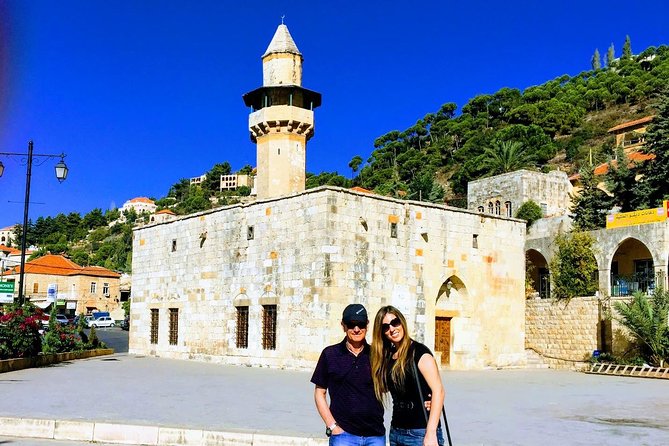
The final listed stop is Saydet El Talle Church, also called Our Lady of the Hill. You spend about 15 minutes here, and no admission fee is listed.
The church dates to the 15th century and is one of Deir El Qamar’s major religious and historical sites. It was built over the remains of an older Phoenician temple dedicated to Astarte. That earlier structure was later destroyed by an earthquake in 859.
A tradition linked to the site tells of a Druze emir in Baakline who saw a light coming from the hill at Deir El Qamar. He sent soldiers to dig there the next morning, with instructions to build either a mosque or a church depending on what symbol they found.
You should treat this as a local legend rather than a simple historical fact, but it helps explain the church’s place in the town’s shared memory. The story also echoes the wider theme of Deir El Qamar, where different faiths have lived close together.
As with the mosque, 15 minutes does not allow for a slow, detailed visit. The stop works best as part of the town’s larger story. You see a church connected to an older sacred site, then compare it with the nearby mosque and the town’s record of religious variety.
What the $50 price really covers
At $50 per person, the tour can be a good value for a private day out, especially if you are traveling with friends or family and qualify for a group discount. You are paying for a full day of private transportation rather than a short transfer between one attraction and the next.
The price includes:
- Private transportation
- An air-conditioned vehicle
- An English-speaking driver
- Hotel pickup and drop-off
The price does not include palace or castle admission, lunch, or gratuity. Because the entry prices are not supplied, I cannot calculate the true all-in cost. Set aside extra money for both paid attractions and your midday meal.
The value improves when the vehicle is shared among several people. A solo visitor pays the full listed rate, while a small private group gains the convenience of exclusive transport and may receive a group discount.
You should also consider what is not promised. There is no stated meal, no named guide, and no listed admission package. If you want a tour with detailed formal commentary at every monument, confirm the guiding arrangement before booking.
Timing, comfort, and what to bring
The start time is 9:00 am, and the full outing lasts about eight hours. Hotel pickup and drop-off are included, but the supplied information does not give a precise pickup window for each neighborhood.
An air-conditioned private vehicle is useful for a full day in the Chouf. You can leave Beirut without arranging several separate rides, and your group does not need to share space with other parties.
The schedule gives 90 minutes each to Beiteddine Palace and Moussa Castle, then shorter visits in Deir El Qamar. That tells you how the day is weighted. The palace and castle are the main paid attractions, while the town’s mosque and church are brief historical additions.
I would wear comfortable shoes and bring water, since the day includes several sites and a town visit. Those are practical suggestions rather than promised tour provisions. Lunch is not included, so plan to pay for it separately.
The experience is listed as suitable for most people. No more specific accessibility details are provided, so if you need particular support, ask the provider before booking.
Who should book this private Chouf tour
I would recommend this tour to you if you want to see several major Chouf sights without arranging your own driver. It suits first-time visitors to Lebanon, families, friends traveling together, and anyone who values hotel pickup and a private vehicle.
It is also a good fit if you enjoy variety. In one day, you get an emir’s palace, a modern castle built from a personal dream, a historic town, an old mosque, and a church linked to an earlier sacred site.
You may want a different option if you prefer long museum visits, extended village walks, or a highly structured history lecture. The Deir El Qamar portion is short, and the driver’s exact level of historical commentary is not specified.
The two available five-star ratings praise the smooth service, the chance to learn about the sites, and the beauty of the places visited. Those are fair reasons to consider it, but keep your expectations clear: this is a convenient private sightseeing day, not an all-inclusive package.
Cancellation is free if you cancel at least 24 hours before the start time. Cancellations or changes made later are not accepted for a refund.
Should you book it?
Book this tour if you want an easy, private route from Beirut into the Chouf and you are happy to pay attraction fees and lunch separately. Beiteddine Palace and Moussa Castle give the day its strongest shape, while Deir El Qamar adds the human and religious story that makes the route more than a string of monuments.
The best reason to choose it is convenience with variety. The main caution is the short time in Deir El Qamar and the lack of included tickets. If those limits suit you, $50 per person is a sensible starting price for an eight-hour private outing.
FAQ
What is included in the tour price?
The price includes private transportation, an air-conditioned vehicle, an English-speaking driver, and hotel pickup and drop-off.
Are admission tickets included?
No. Admission tickets for Beiteddine Palace and Moussa Castle are not included. Deir El Qamar’s listed stops have free admission.
Is lunch included?
No. Lunch is not included in the tour price.
What time does the tour begin?
The tour begins at 9:00 am.
How long does the tour last?
The experience lasts approximately eight hours.
Is this a private tour?
Yes. Only your group participates in the activity.
Can I receive a group discount?
Group discounts are offered. The exact discount amount is not provided.
Can I cancel for a full refund?
Yes, if you cancel at least 24 hours before the experience start time. Cancellations made less than 24 hours in advance are not refunded, and late changes are not accepted.
Newest Beirut reviews
- Wine Tasting Tour★ 5.0 · 2 reviews
- Journey Through Time: Half-Day Private Tour to Baalbek★ 5.0 · 3 reviews
- Lebanon’s Treasures: Jeita Grotto and Harissa Private Tour★ 5.0 · 2 reviews
- Traveling Spoon Lebanese Mezze Private Online Cooking Class★ 5.0 · 4 reviews
- Wine Tasting and Culture★ 5.0 · 3 reviews
- Small Group Tour to Baalbek, Anjar & Ksara with Hotel pickup★ 5.0 · 2 reviews
- Small Group Tours to Jeita Grotto and Byblos with tickets★ 5.0 · 3 reviews
- Small-Group Tour with Lunch to Baalbek, Anjar and Ksara★ 5.0 · 3 reviews
Beiteddine & Deir el Qamar Tours, compared.
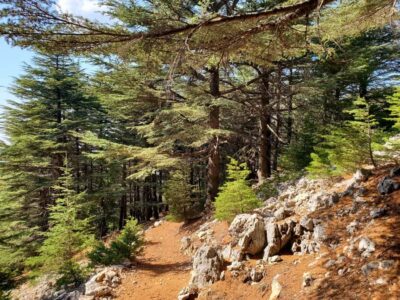
Cedars Shouf & Beiteddine w/pick-up, guide, entries+lunch
Read our review →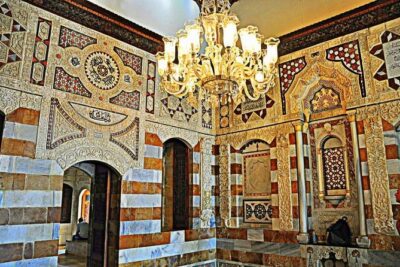
Beirut, Beiteddine & DeirElQamar Day Trip-With Lunch(4G on Board)
Read our review →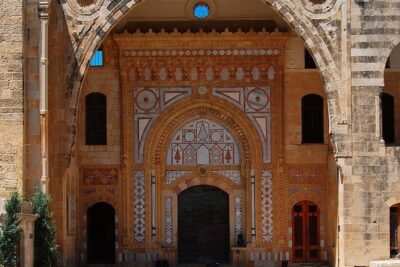
Guided small group to Cedars Reserve & Beiteddine w/lunch+entries
Read our review →
Deir el Qamar – Beiteddine Palace – Chouf Cedars From Beirut
Read our review →
Deir Al-Qamar, Beiteddine Palace and Barouk Cedars Tour
Read our review →
PRIVATE tour to Beirut history museum, Beiteddine & Deir elQamar
Read our review →
Private Trip to Beiteddine, Deir el Qamar & Maaser el Chouf Cedars
Read our review →
Chouf Charm: Private Journey Through Lebanon’s Historic Heartland
Read our review →Browse the lists this tour appears in