
Review · SIDON & TYRE TOURS
Small-Group Adventure Tour to Sidon Tyre & Maghdouche-Day Trip
Lebanon’s southern coast packs centuries into one day. This 9-hour outing links Sidon’s old markets, Crusader remains, Maghdoucheh’s Marian shrine, and Tyre’s Roman ruins without making you arrange separate taxis or buses. I like the broad mix of places and the easy hotel pickup, especially at a price of about $65 per person.
I also like the small-group format, with no more than 15 people, and the climate-controlled vehicle. The main concern is that the guiding can vary. Some drivers, especially Harake, earned high praise for historical context and careful service, while other experiences felt more like transport than a fully guided tour.
In This Review
- Key points before you book
- Why this makes sense from Beirut
- Sidon Sea Castle: a strong opening by the water
- Sidon Souks: the most atmospheric hour
- Soap Museum: a compact lesson in olive oil craft
- Great al-Omari Mosque and Khan El Franj
- Maghdoucheh and Our Lady of Mantara
- Tyre’s harbors and coastal streets
- The Roman Hippodrome: Tyre’s grandest ruin
- Al-Bass Archaeological Site: roads, arches, and waterworks
- Food, comfort, and the pace of the day
- Is $65 good value?
- Who should book this day trip?
- Final verdict: book it with two questions
- FAQ
- How long does the tour last?
- What time does pickup begin?
- Is hotel pickup and drop-off included?
- What places are visited?
- Is lunch included?
- Is the tour guided?
- How many people can join the group?
- Is transportation air-conditioned?
- Are entrance fees included?
- Can I cancel for a full refund?
Key points before you book
- Sidon’s old souks are a real highlight: You’ll pass vaulted lanes, small workshops, fish sellers, coffee houses, and Ottoman-era buildings.
- Tyre is the day’s major archaeological stop: The Roman hippodrome, triumphal arch, aqueduct, and stone roads give you plenty to see.
- Maghdoucheh adds a spiritual change of pace: Our Lady of Mantara includes a tower, church, cemetery, and sacred cave.
- The tour covers a lot of ground: Expect about nine hours, with several stops kept to 30 to 45 minutes.
- Guiding deserves clarification: You may receive lively commentary and local context, or mainly transportation between sites.
- Check entrance costs carefully: Some attractions are marked as included in the general tour details, while individual stop information lists admission fees separately.
Why this makes sense from Beirut
Sidon and Tyre are far enough from Beirut that arranging the day independently can eat up time. This trip gives you one vehicle, hotel pickup and drop-off, bottled water, and an English-speaking local group leader. That practical setup is the main reason to consider it.
Pickup is scheduled around 8:15 to 8:30 in the morning. You should plan for a full day, not a relaxed half-day outing. The route includes city streets, coastal views, archaeological grounds, religious sites, and old commercial quarters, so comfortable shoes matter more than stylish ones.
The advertised maximum is 15 people. In practice, group size may be smaller, and in low season the operator may run the outing with only one person. That can feel like a private tour, but it also means the social group experience is not guaranteed.
The vehicle is air-conditioned, an important benefit during a long Lebanese summer day. Several positive experiences also praised punctual pickup, smooth driving, coffee, water, and small snacks such as local bread or sweets. Those extras are not promised as standard inclusions, so treat them as a pleasant bonus rather than part of the deal.
Other days along the southern coast:
- Sidon, Tyre & Maghdouche Day Trip – With Lunch (4G on Board)
★ 4.5 · 44 reviews - Guided Small-Group Tour to Sidon, Tyre & Maghdouche with Lunch
★ 5.0 · 41 reviews - Sidon – Tyre – Maghdouche Trip, From Beirut
★ 5.0 · 25 reviews
Sidon Sea Castle: a strong opening by the water
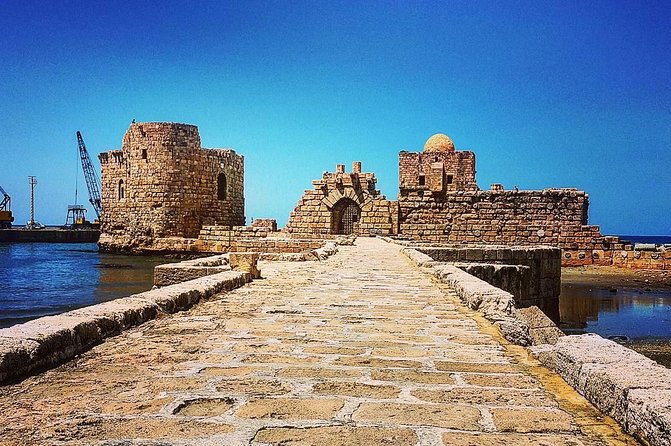
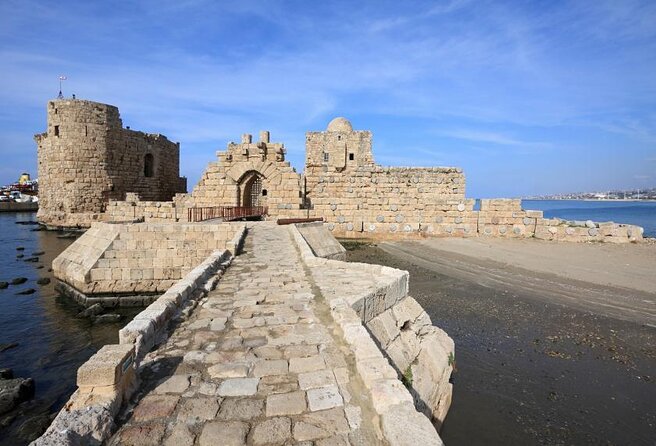
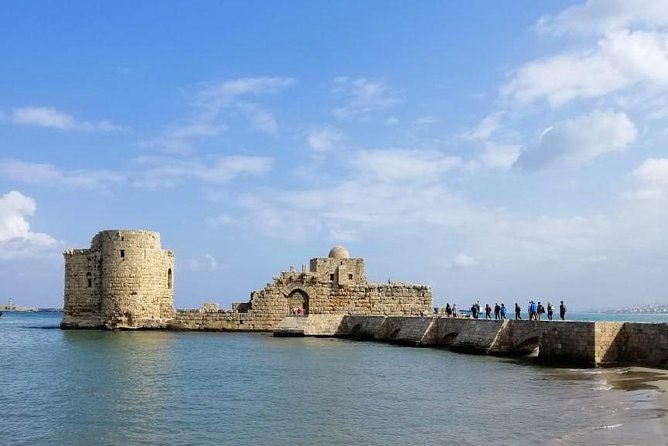
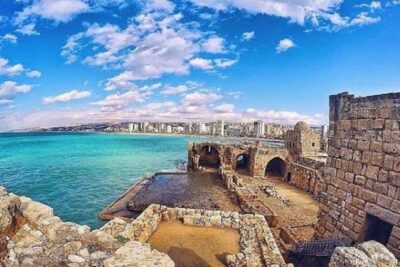
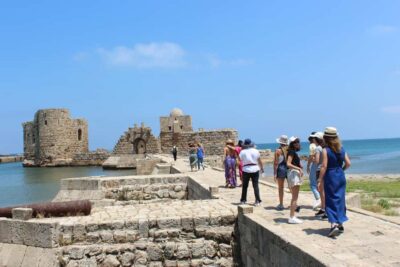
Your first stop is Sidon’s Crusaders Sea Castle, with about 45 minutes to look around. Built on small offshore foundations and linked to the city by a stone causeway, the castle gives you an immediate sense of Sidon’s coastal position and its long military importance.
The setting is the main attraction. From the castle, you can look back toward the port, old city, and shoreline. It is a good place for photographs, but the visit is fairly brief, and admission is listed separately in the stop details.
You should ask your guide for an explanation here. One weak point reported about this outing was that the driver dropped people at the castle and did not explain the site. Without context, the weathered walls can seem like a quick photo stop rather than part of Sidon’s larger story.
Sidon Souks: the most atmospheric hour
The old souks are where the day becomes less about monuments and more about daily life. You’ll walk through roofed lanes between the Sea Castle and the inland St. Louis Castle, with small craft shops and working businesses still using the old market spaces.
This is the stop I would protect from being rushed. The vaulted alleys, the scent of food and soap, fishermen selling their catch near the port, and workers at their trades make the souk more memorable than a polished museum display.
Look for Debbaneh Palace near the El-Shakiriyya market. A narrow, covered stairway leads into its inner yard, and the building retains Ottoman Arab features dating from the early 18th century. A traditional coffee house nearby offers a glimpse of local social life, including Turkish coffee and water-pipe smoking among its male clientele.
The description refers to the souks as extending for many kilometers, but you will not walk all of them during the one-hour visit. Use the time for a purposeful wander, and stay aware of the meeting point. The market is interesting precisely because it is still used, so it is better approached with respect than as a staged attraction.
Soap Museum: a compact lesson in olive oil craft
The Soap Museum occupies an old factory dating mainly from the 17th century, with parts believed to reach back further. In about 30 minutes, you’ll see how olive oil soap was traditionally produced and learn about the region’s hammam, or bathhouse, customs.
This is a useful stop because it connects an everyday product with local trade and domestic life. The museum also includes archaeological pieces found during work on the building, including pottery fragments and clay pipe heads from the 17th to 19th centuries.
The visit is short, and the admission status should be confirmed before departure. The general tour information says entrance fees are included, but the individual stop details mark this museum as not included. That inconsistency is small but worth resolving, especially if you are budgeting closely.
A few more trips out of Beirut worth a look
- Anjar, Baalbek & Ksara Day Trip – With Lunch (4G on Board)
★ 4.5 · 181 reviews - Byblos, Jeita Grotto & Harissa Day Trip -With Lunch (4G on Board)
★ 4.5 · 145 reviews - Private Tour: Anjar, Baalbek and Ksara Day Trip from Beirut
★ 5.0 · 20 reviews - Beirut, Beiteddine & DeirElQamar Day Trip-With Lunch(4G on Board)
★ 4.5 · 12 reviews
Great al-Omari Mosque and Khan El Franj
The Great al-Omari Mosque receives about 15 minutes. It was formerly the Church of St. John of the Hospitalers, and its rectangular 13th-century walls still have a fortress-like appearance. Seen from the sea, it is particularly imposing.
Fifteen minutes is enough for a quick look, not a full architectural study. Your guide’s explanation matters here because the building’s changing religious identity is more interesting than its exterior alone.
The route also includes Khan El Franj, a merchant inn built under Fakhreddine II. Its large rectangular courtyard, central fountain, and covered galleries follow the classic khan design. In the 19th century, it served as an economic center and housed the French consulate.
The khan is an excellent reminder that Sidon was not only a military and religious center. It was also a working port city where merchants, goods, and foreign officials met. The time allocation is not clearly stated, so your actual visit may depend on the day’s pace.
Maghdoucheh and Our Lady of Mantara
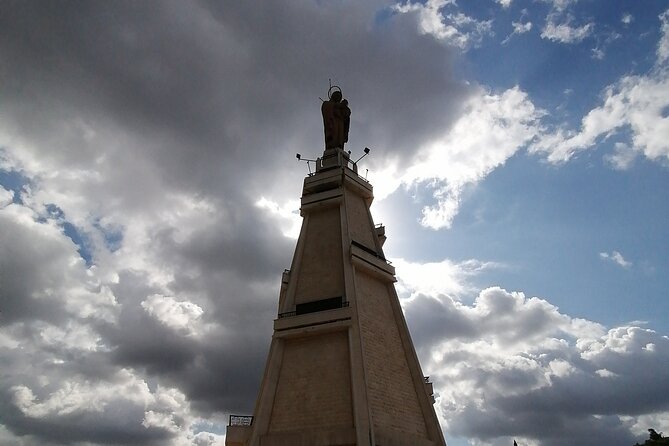
After Sidon, the vehicle heads inland to Maghdoucheh. The Our Lady of Mantara shrine is linked to the story of the Virgin Mary waiting for Jesus while he preached in the area. A sacred cave is believed to be the place where she rested, and the shrine was discovered in 1721.
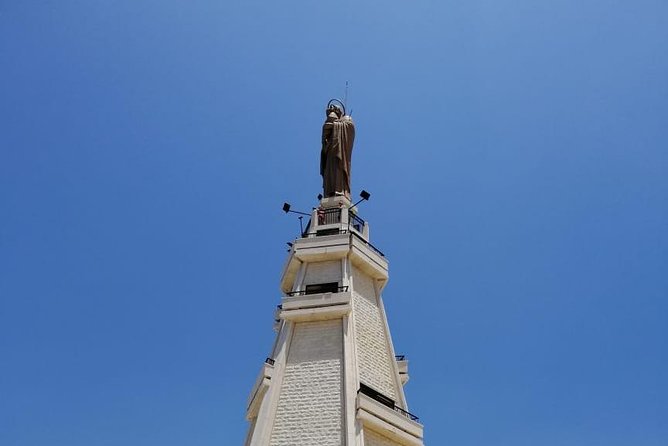
The complex includes a tower topped by a statue of the Virgin and Child, a cathedral, cemetery, and cave. You should expect about 30 minutes here. It is a quieter stop, and the change from market streets and coastal ruins gives the day some welcome variety.
This visit is religious in character, so modest clothing and respectful behavior are sensible. The stop is free according to the provided details. If you want more than a quick look, ask whether there is time to pause at the shrine rather than simply photograph the tower and leave.
Tyre’s harbors and coastal streets
Tyre was founded around 2750 BC according to Herodotus and is associated with the stories of Europa and Dido, the founder of Carthage. The initial Tyre visit lasts about 45 minutes and includes the old north harbor, colorful streets, and beach views on both sides of the city.
This part of the route helps you understand Tyre as a living coastal city, not only an archaeological site. You get a sense of its position on the water before moving to the larger ruins.
The schedule is tight, so this is not a beach day or a long independent walk. Think of it as an orientation stop. If Tyre interests you most, you may wish to return independently on another day with more time.
The Roman Hippodrome: Tyre’s grandest ruin
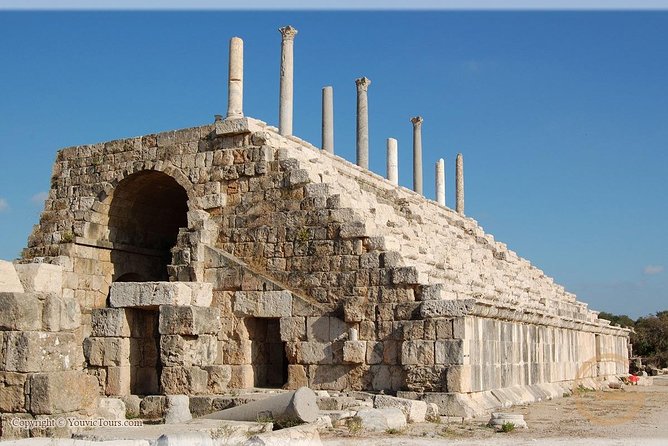
The Roman hippodrome is one of the day’s major highlights. Dating to the second century CE, it measures roughly 480 meters long and 90 meters wide. Its horseshoe-shaped design could hold about 20,000 spectators for chariot races.
The scale is hard to grasp from a photograph. Walking along the stone structure gives you a clearer idea of the crowds, noise, and danger that once filled this arena. It is one of the best places on the route for simply slowing down and looking at the layout.
You receive about 45 minutes here. That is enough for a solid visit, but not enough for a specialist archaeological tour. Several people who enjoyed this day still described it as more of a trip with transport than a fully guided tour. If ancient sites do not make much sense to you without interpretation, arrange or request a proper guide before you go.
Admission is again listed as not included in the individual stop details. Confirm the current entrance arrangement when booking.
Al-Bass Archaeological Site: roads, arches, and waterworks
The Al-Bass site adds another 45-minute archaeological visit. Here you can see a Byzantine road, a second-century triumphal arch, a Roman road, an aqueduct, and the remains of a large ancient structure.
This stop rewards attention to the ground. The roads and aqueduct show how the city functioned, while the arch gives the site a strong visual focus. Flowers growing among the stones can add a gentle, unexpected touch to the ruins.
The site is spread out, so wear shoes that can handle uneven surfaces. The route gives you enough time to see the main remains, but the pace remains brisk because you still need to return to Beirut.
As with the hippodrome, admission is marked separately in the stop information. Ask precisely what your $65 covers. The broad details promise included entrance fees, but the stop-by-stop notes name several paid admissions. You do not want a handful of small charges to become an unpleasant surprise.
Food, comfort, and the pace of the day
Lunch is not included. Some positive experiences refer to a good meal or dinner, but you should not assume food is part of the package. The safest plan is to ask where lunch fits into the schedule and carry a little food or money for the day.
The tour includes bottled water. Some drivers have also offered coffee and local snacks, but these are not guaranteed. A climate-controlled vehicle helps during the long transfers, though you will still spend time outside at the castle, souks, shrine, and ruins.
The day is well suited to people who want many major sights in one outing. It is less suited to anyone who prefers slow museum visits, long meals, or detailed archaeological discussion at every stop.
The most praised driver was Harake, who was described as punctual, friendly, careful, informative, and willing to adjust parking for a passenger with a bad leg. His name comes up repeatedly in strong experiences, so you can reasonably ask if he is available, though no particular driver can be guaranteed.
There was also one serious driving complaint involving speeding and phone use. That is not a minor matter. If you ever feel unsafe, speak up at once and ask the driver to slow down or stop using the phone while driving.
Is $65 good value?
At $65 per person, the tour can be good value if you want transport and a broad introduction to southern Lebanon. Hotel pickup, hotel drop-off, water, an air-conditioned vehicle, and a full day of sightseeing remove much of the planning work.
The value is strongest when the guide adds useful context between and at the sites. It is weaker if you are mainly being delivered to ruins and left to walk around alone. The difference comes down to the individual driver and how much guiding is provided that day.
Group discounts may be available, and the maximum group size is 15. Since low-season departures may operate with only one booking, ask whether your departure will run as a private outing and whether that changes the price or guiding arrangement.
Free cancellation is available if you cancel at least 24 hours before the start time. Changes or cancellations inside that window are not accepted for a refund.
Who should book this day trip?
I would recommend it to you if you are staying in Beirut and want to see Sidon and Tyre without arranging several transfers. It suits first-time visitors who value convenience, historic sites, local markets, and a full schedule.
It is also a good choice for anyone who wants variety. In one day, you move from a Crusader castle to working souks, an Ottoman palace, a soap factory, a Christian shrine, and Roman ruins.
I would hesitate if your main goal is expert archaeology. The schedule gives you only 30 to 45 minutes at most stops, and guiding quality appears uneven. In that case, ask for a dedicated guide, confirm admission fees, and clarify how much time you will have inside each archaeological area.
Final verdict: book it with two questions
This is a strong sightseeing route with an excellent mix of coastal history and ordinary Lebanese life. Sidon’s souks and Tyre’s Roman remains are the main reasons to go, while Maghdoucheh adds a meaningful religious stop and a welcome change of mood.
Before paying, ask two direct questions: Who will guide the group, and which entrance fees are actually included? If you can secure a driver such as Harake and receive clear answers about admissions and lunch, the $65 price looks fair. If the operator can offer only transport, you may prefer to spend more on a dedicated guide and get more from Tyre’s remarkable ruins.
FAQ
How long does the tour last?
The experience lasts approximately nine hours, including the journey from Beirut, sightseeing stops, and return hotel transportation.
What time does pickup begin?
Pickup is scheduled in the morning around 8:15 to 8:30. The stated start time is 8:30 am.
Is hotel pickup and drop-off included?
Yes. Pickup and drop-off at your Beirut hotel are included.
What places are visited?
The route includes Sidon’s Crusaders Sea Castle, old souks, Soap Museum, Great al-Omari Mosque, Khan El Franj, Maghdoucheh’s Our Lady of Mantara shrine, Tyre’s old harbor and streets, the Roman Hippodrome, and the Al-Bass Archaeological Site.
Is lunch included?
No. Lunch is not included in the tour price.
Is the tour guided?
An English-speaking local group leader and brief explanations at each site are included. The amount of detailed guiding can vary, so confirm this before booking if expert commentary is important to you.
How many people can join the group?
The maximum group size is 15 people. In low season, the tour may operate with only one booking.
Is transportation air-conditioned?
Yes. Transportation is provided in an air-conditioned vehicle.
Are entrance fees included?
The general tour information says entrance fees are included, but individual stop details list admission as not included at the Sea Castle, Soap Museum, Roman Hippodrome, and Al-Bass Archaeological Site. Confirm the current policy before departure.
Can I cancel for a full refund?
Yes, if you cancel at least 24 hours before the experience starts. Cancellations or changes made less than 24 hours in advance are not accepted for a refund.
Newest Beirut reviews
- Wine Tasting Tour★ 5.0 · 2 reviews
- Journey Through Time: Half-Day Private Tour to Baalbek★ 5.0 · 3 reviews
- Lebanon’s Treasures: Jeita Grotto and Harissa Private Tour★ 5.0 · 2 reviews
- Traveling Spoon Lebanese Mezze Private Online Cooking Class★ 5.0 · 4 reviews
- Wine Tasting and Culture★ 5.0 · 3 reviews
- Small Group Tour to Baalbek, Anjar & Ksara with Hotel pickup★ 5.0 · 2 reviews
- Small Group Tours to Jeita Grotto and Byblos with tickets★ 5.0 · 3 reviews
- Small-Group Tour with Lunch to Baalbek, Anjar and Ksara★ 5.0 · 3 reviews
Sidon & Tyre Tours, compared.
Sidon, Tyre & Maghdouche Day Trip – With Lunch (4G on Board)
Read our review →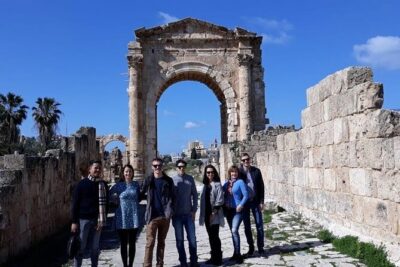
Guided Small-Group Tour to Sidon, Tyre & Maghdouche with Lunch
Read our review →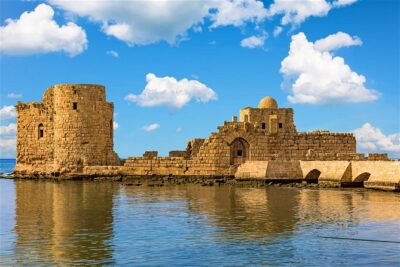
Small Group Tour to Sidon, Tyre & Maghdouche with lunch
Read our review →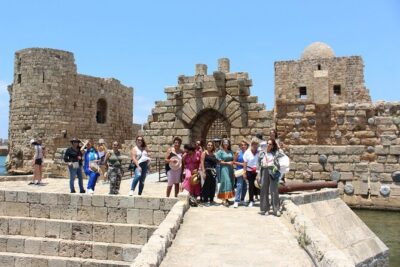
Lebanon tour Sidon & Tyre ruins with pick-up, guide,lunch+entries
Read our review →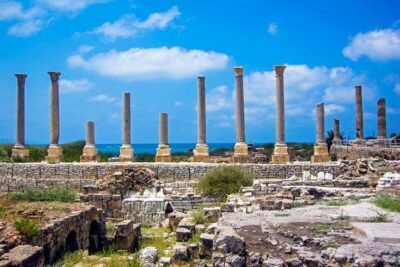
Lebanon Unveiled: Exclusive Private Tours to Sidon & Tyre
Read our review →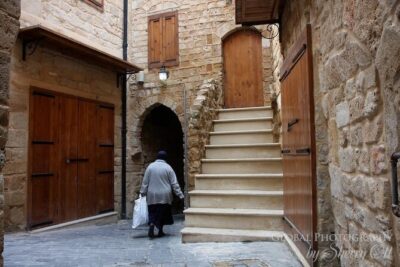
Sidon & Tyre Unesco Heritage w/pick-up, guide, entries+lunch
Read our review →Browse the lists this tour appears in