
Review · CEDARS & QADISHA VALLEY TOURS
Private Trip to Qadisha Valley, Bcharri and Cedars of God
Lebanon saves its best scenery for the mountains. This private, eight-hour trip from Beirut links the Qadisha Valley, Bcharre, the Gibran Museum, the Cedars of God, and Deir Qozhaya in one well-filled day. I like the door-to-door hotel pickup and the chance to see several major northern sights without arranging separate transport. I also like the private format, which lets you travel with your own group and ask for a slower or faster pace when possible.
The main trade-off is time. The route covers a lot of ground, and the listed visits add up to only a few hours before driving is counted. You will see the highlights rather than spend a long morning hiking or studying each monastery, so this suits a first visit more than a slow, specialist exploration.
In This Review
- Five things to know before booking
- Why this northern Lebanon day trip works
- Starting beside Mseilha Fort
- Seeing the Qadisha Valley in a short visit
- Exploring Bcharre, Lebanon’s town of churches
- Inside the Kahlil Gibran Museum
- Walking among the Cedars of God
- Deir Qozhaya and the tradition of mountain hermits
- Guides, private transport, and the human side of the day
- Is $75 per person good value?
- Who should book this mountain excursion?
- Should you book the Qadisha and Cedars tour?
- FAQ
- Where does the tour start?
- How long does the experience last?
- Is this a private tour?
- What sites are included?
- Is lunch included?
- Is admission to the Gibran Museum included?
- Can I cancel for a full refund?
Five things to know before booking
- Mseilha Fort adds a useful northern Lebanon history stop, with a stone fort built on a narrow limestone ridge beside the Nahr el-Jawz River.
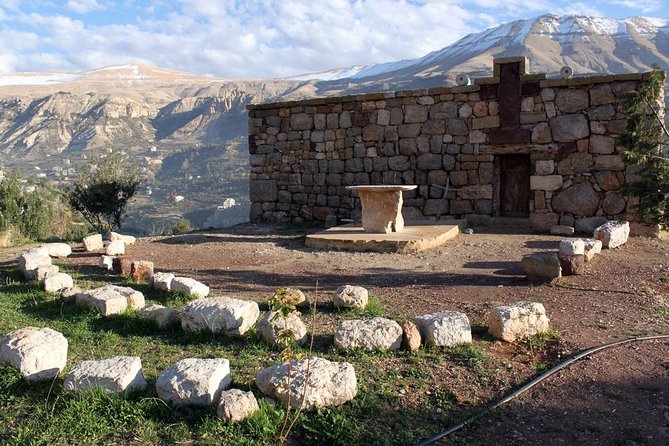
- Qadisha Valley combines dramatic mountain scenery with early Christian heritage, including caves, monasteries, and old cultivated terraces.
- Bcharre connects two very different parts of Lebanon’s identity, the cedar forests and the life of writer and artist Kahlil Gibran.
- The Cedars of God forest contains 375 trees, among the last surviving parts of Lebanon’s ancient cedar forests.
- Private guides make the day flexible, with past tours led by Albert, Hassan, Natasha, and Kasem.
- The $75 price includes transport and guiding, but not lunch or the Gibran Museum admission fee.
Why this northern Lebanon day trip works
This is a strong choice if you have one free day in Beirut and want to reach the country’s highlands without renting a car. The route brings together nature, Christian heritage, literature, and local history. You are not simply driving to a cedar grove, taking a photo, and returning to the city.
The private setup matters. Only your group participates, and the vehicle is air-conditioned. Hotel pickup and drop-off are included, with an advertised start at 8:30 am. That removes much of the usual planning work, especially when several stops lie in different parts of the northern mountains.
I also like the balance of the day. Qadisha gives you cliffs and monastic sites. Bcharre adds a town with a strong local identity. The Gibran Museum supplies an artistic and literary focus. The Cedars of God brings you back outdoors, while Deir Qozhaya offers another close look at Lebanon’s long Christian tradition.
Still, you should set your expectations correctly. This is a sightseeing tour, not a full hiking day. The listed stop at Qadisha Valley is only 10 minutes, while Bcharre, the Gibran Museum, the Cedars of God, and Deir Qozhaya are listed at 30, 30, 45, and 30 minutes respectively. Much of the eight-hour schedule is therefore taken up by transport between mountain sites.
Other days in the cedar country and the Qadisha:
- Guided Small-Group Tour to Qadisha, Bcharee & Cedars with Lunch
★ 5.0 · 39 reviews - Cedars of Lebanon, Qozhaya, & Bcharre – With Lunch (4G on Board)
★ 4.5 · 34 reviews - Cedars, Bsharre & Kozhaya Day Tour
★ 5.0 · 15 reviews
Starting beside Mseilha Fort
Mseilha Fort is included as a stop on the route and gives the day an early historical marker. Emir Fakhreddine II built the fort in the 17th century to protect the route between Tripoli and Beirut.
Its setting is part of the appeal. The fort sits on a long, narrow limestone rock close to the Nahr el-Jawz River. Small sandstone blocks from the nearby coast form its walls, which were built along the edge of the rock. That construction makes the fort easy to understand at a glance: it was designed to use the natural shape of the ridge as part of its defense.
No visit duration is specified for this stop, so ask your guide how it fits into your day. If you enjoy old fortifications, this is a worthwhile addition. If your priority is the cedar forest or the monastery sites, you may want to confirm how much time is planned here before setting off.
Seeing the Qadisha Valley in a short visit
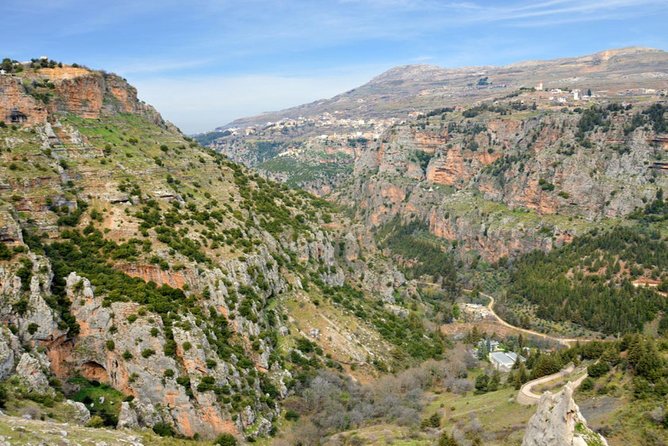
Qadisha Valley is the cultural heart of the excursion. It is linked to some of the earliest Christian monastic settlements in the world, with caves, monasteries, and cultivated terraces spread through a very rugged mountain setting.
The important point is that Qadisha is not one single monument. It is a wider area shaped by religious life, farming, and retreat. Monks and hermits used the caves and valleys, while terraces allowed communities to grow food on steep ground. The result is a place where nature and human history are tightly connected.
The scheduled stop is brief, listed at 10 minutes with no admission charge. That is enough to take in the scale of the valley and hear an introduction from your guide, but not enough for a serious walk through several monastic sites. If you want to hike or reach a particular monastery, ask before booking. This tour gives you an overview rather than a long foot visit.
That short stop may be the biggest limitation for people who book specifically for Qadisha. You will see the valley as part of a wider day, not as a dedicated trekking experience. For a first look, though, it offers useful context before the visit to Deir Qozhaya.
Exploring Bcharre, Lebanon’s town of churches
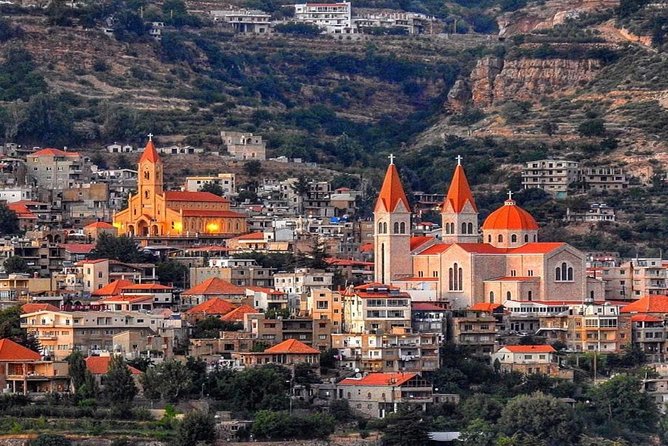
Bcharre provides a change of pace from the open valley. It is known as the town of the remaining original Cedars of God, the birthplace of Kahlil Gibran, and the home of the Cedars Ski Resort. It also has around 37 churches, which explains its nickname, the city of churches.
The town stop is listed at 30 minutes and has no admission fee. That makes it more of a guided introduction than a full town walk. You can use the time to understand Bcharre’s role in the region and to connect the town with the museum and cedar forest that follow.
Bcharre is especially useful because it ties together several threads. The cedar is Lebanon’s national symbol and appears on the country’s flag. Gibran is one of Lebanon’s best-known cultural figures. The ski resort shows that the highlands are not only a summer destination. Even the short visit gives the rest of the day a clearer shape.
Do not expect a long independent exploration of the town at this pace. If you want time for shops, churches, or a relaxed meal in Bcharre, discuss that with your guide. The schedule already includes several major stops.
A few more trips out of Beirut worth a look
- Guided Small-Group Tour to Baalbek, Anjar and Ksara with Lunch
★ 5.0 · 511 reviews - Guided Small-Group Tour to Jeita, Harissa, Byblos with Lunch
★ 5.0 · 361 reviews - Paragliding Trip Over Lebanon – Jounieh Bay
★ 5.0 · 257 reviews - First Paragliding Club in Lebanon – Since 1992
★ 5.0 · 193 reviews
Inside the Kahlil Gibran Museum
The Gibran Museum occupies the former Monastery of Mar Sarkis in Bcharre. It is dedicated to Kahlil Gibran, the Lebanese writer, philosopher, painter, and sculptor.
The collection includes 440 original paintings and drawings, along with furniture and personal belongings from his New York studio. His private manuscripts are also displayed, and his tomb is inside the museum. That combination gives you more than a basic biography. You can connect his work with the places and objects that shaped his life.
The visit is listed at 30 minutes, and admission is not included in the tour price. Check the current entrance fee when booking or before departure, since the supplied tour details do not state the amount.
Thirty minutes can work if you already know Gibran’s work or want a focused introduction. If you have a strong interest in art and literature, you may find the stop rushed. The private format helps here because you can ask your guide to explain the museum’s importance and, if the day allows, see how much flexibility is possible.
This is one of the most distinctive parts of the trip. Many mountain excursions focus only on views. The museum gives you a human story and a direct connection to Bcharre.
Walking among the Cedars of God
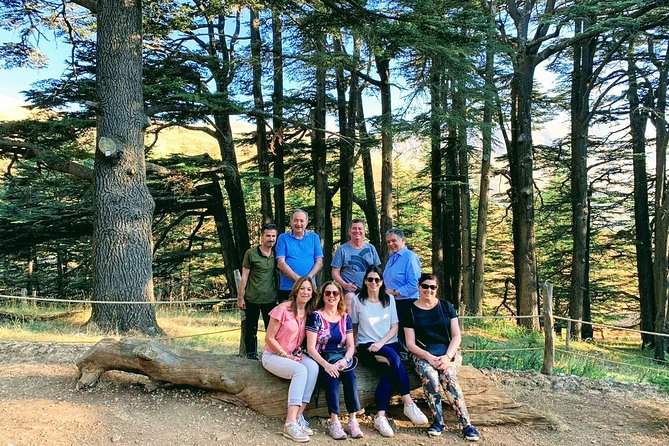
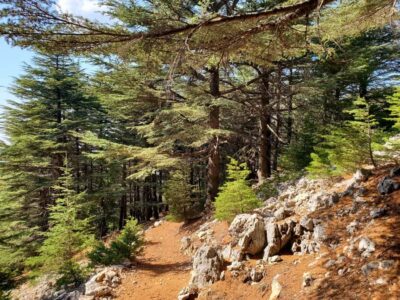
The Cedars of God forest is the day’s most recognizable natural stop. It contains 375 trees and represents one of the last remaining pieces of Lebanon’s ancient cedar forests.
The cedar has long had practical and religious importance. In ancient times, its timber was valued for major buildings, and cedar references appear 103 times in the Bible. Today, the tree is also a national emblem, so this is not just a pleasant woodland visit. It is a look at a symbol that carries unusual weight in Lebanon.
The listed visit lasts 45 minutes and is free. That is the longest scheduled stop of the day, which makes sense. You have time to walk among the trees, take photographs, and listen to an explanation of their place in Lebanese culture.
Conditions can change with the season. One past trip had snow still on the ground, creating a very different setting from a dry summer visit. The supplied details do not promise snow, so treat it as a seasonal possibility rather than part of the package.
I would keep this stop high on your priority list. The forest is compact enough to visit during a short tour, yet meaningful enough to reward attention. Look beyond the photo opportunity and notice the age, rarity, and symbolic role of the trees.
Deir Qozhaya and the tradition of mountain hermits
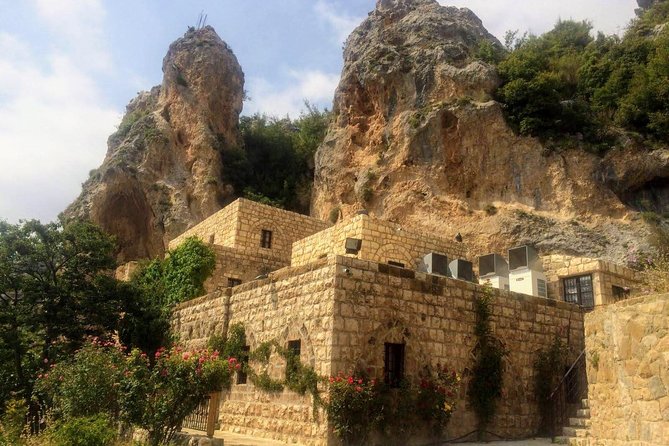
Deir Qozhaya, also called the Monastery of Saint Anthony the Great, sits about 950 meters above sea level in the Qozhaya Valley. Pine and oak cover the surrounding hills, while fruit trees grow along the valley.
The monastery is linked to the wider Qadisha area and to the tradition of hermits seeking spiritual solitude in Lebanon’s mountains. Historians and scholars place its beginnings in the early fourth century, though the site suffered repeated looting, fires, and destruction. Remains dating to the seventh century are still present.
The visit is listed at 30 minutes and admission is free. That is enough to appreciate the setting, hear the basic story, and see the monastery as part of the wider valley. It is not enough for a detailed study of every building or a long walk through the surrounding area.
Deir Qozhaya gives the tour a strong closing note. After seeing the valley from a broad viewpoint, you reach a specific religious site with a long record of survival. The monastery also helps explain why Qadisha is important beyond its scenery.
Guides, private transport, and the human side of the day
A good guide matters on this route because the sites are connected by stories rather than by a single theme. Albert has been praised for arriving on time, driving carefully, explaining the area, and keeping a good sense of humor. He also showed care when a meal was delayed, a small detail that matters during a long day.
Hassan has been described as relaxed and reassuring, with enough time built in to see the sights. Natasha received especially warm praise for her kindness, attention to detail, answers to questions, and clear affection for Lebanon. Kasem was also singled out for being courteous and well informed.
You cannot assume which guide will lead your departure, but you can ask whether a preferred guide is available. The repeated emphasis on courteous service, flexibility, and comfortable driving is important because this is a long mountain day, not a quick city outing.
The air-conditioned vehicle is included, as are hotel transfers and a professional guide. Lunch is not included. Since the day is full, plan to ask about the meal arrangement before departure rather than leaving the question until you are hungry.
Is $75 per person good value?
At $75 per person, the tour offers solid value for a private day from Beirut, especially if you are sharing the vehicle with family or friends. The price includes hotel pickup and drop-off, private transportation, an air-conditioned vehicle, and a guide. You are paying for convenience as well as sightseeing.
The value is less obvious for a solo participant because private transport costs are spread across fewer people. Group discounts may improve the calculation for larger parties, so ask about the exact rate for your group.
Budget separately for lunch and the Gibran Museum entrance fee. The other listed stops have free admission. You should also remember that the price buys a broad overview, not long walks, extensive museum time, or a dedicated Qadisha hike.
For a first northern Lebanon visit, I consider the package worthwhile. You get several major sights in one day and avoid the work of linking them yourself. If you prefer slow travel, the same price may be better spent on a shorter, more focused private outing.
Who should book this mountain excursion?
I would recommend this tour to you if you are staying in Beirut and want a private introduction to northern Lebanon. It suits couples, families, and small groups who value door-to-door service and a flexible guide.
It is also a good match if you want variety. In one day, you see a fort, a Christian valley, a mountain town, a museum, a cedar forest, and a monastery. That range is the main strength of the experience.
You may want something else if your main goal is hiking in Qadisha, spending hours in the Gibran Museum, or making a slow visit to Bcharre. The scheduled stops are short, and the route is ambitious. Ask about adjusting the day before you book, especially if one site matters far more to you than the others.
Free cancellation is available when you cancel at least 24 hours before the 8:30 am start. Changes or cancellations made within 24 hours are not accepted for a refund.
Should you book the Qadisha and Cedars tour?
Book it if you want a convenient, private overview of Lebanon’s northern mountains. The strongest reasons are the range of sites, the included Beirut transfers, the cedar forest, and the chance to travel with a guide who can explain the links between Christian heritage, Bcharre, and Gibran.
Go in knowing that this is a full day with short visits. For the best experience, wear comfortable footwear, keep lunch plans in mind, and tell the company which stop matters most to you. If you value personal service, ask whether Albert, Hassan, Natasha, or Kasem is available.
FAQ
Where does the tour start?
The tour starts with pickup from your Beirut hotel at approximately 8:30 am.
How long does the experience last?
The tour lasts approximately eight hours.
Is this a private tour?
Yes. Only your group participates in the activity.
What sites are included?
The route includes Mseilha Fort, Qadisha Valley, Bcharre, the Kahlil Gibran Museum, the Cedars of God, and Deir Qozhaya.
Is lunch included?
No. Lunch is not included in the tour price.
Is admission to the Gibran Museum included?
No. Admission to the Kahlil Gibran Museum is not included. The other listed stops have no admission charge.
Can I cancel for a full refund?
Yes, if you cancel at least 24 hours before the experience start time. Cancellations or changes made less than 24 hours before the start are not accepted for a refund.
Newest Beirut reviews
- Wine Tasting Tour★ 5.0 · 2 reviews
- Journey Through Time: Half-Day Private Tour to Baalbek★ 5.0 · 3 reviews
- Lebanon’s Treasures: Jeita Grotto and Harissa Private Tour★ 5.0 · 2 reviews
- Traveling Spoon Lebanese Mezze Private Online Cooking Class★ 5.0 · 4 reviews
- Wine Tasting and Culture★ 5.0 · 3 reviews
- Small Group Tour to Baalbek, Anjar & Ksara with Hotel pickup★ 5.0 · 2 reviews
- Small Group Tours to Jeita Grotto and Byblos with tickets★ 5.0 · 3 reviews
- Small-Group Tour with Lunch to Baalbek, Anjar and Ksara★ 5.0 · 3 reviews
Cedars & Qadisha Valley Tours, compared.
Guided Small-Group Tour to Qadisha, Bcharee & Cedars with Lunch
Read our review →
Cedars of Lebanon, Qozhaya, & Bcharre – With Lunch (4G on Board)
Read our review →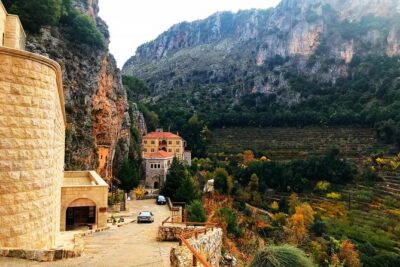
Cedars Shouf & Beiteddine w/pick-up, guide, entries+lunch
Read our review →
Guided small group to Cedars Reserve & Beiteddine w/lunch+entries
Read our review →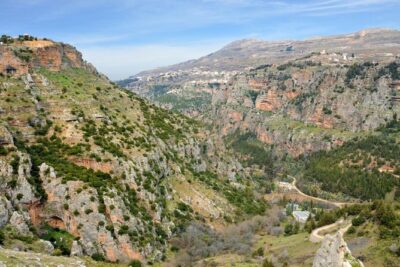
Small-Group Tour with Lunch to Qadisha Valley, Bcharre and Cedars
Read our review →
Guided Full-Day Private Trip to Cedars, Baalbek and Chateau Ksara
Read our review →
Deir el Qamar – Beiteddine Palace – Chouf Cedars From Beirut
Read our review →Browse the lists this tour appears in